No products in the cart.

AI in Content Creation: Navigating New Career Landscapes
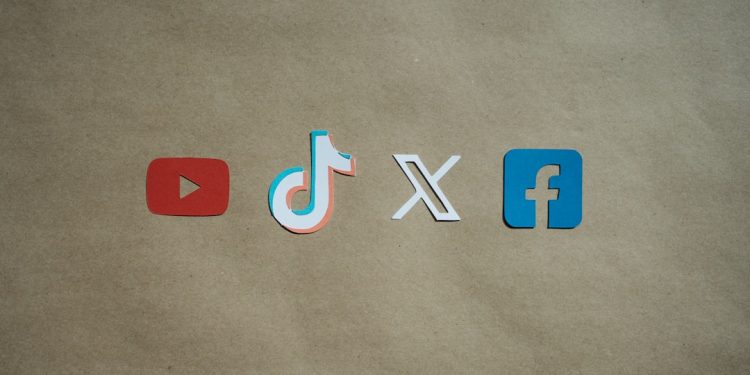
Generative AI is revolutionizing careers in writing and design, creating new opportunities while posing unique challenges.

San Francisco, USA — The rise of generative artificial intelligence (AI) is reshaping the landscape of content creation. Writers, designers, and creators are navigating an evolving job market where their skills are both enhanced and challenged by AI technologies. This shift is prompting a re-evaluation of what it means to be a creator in the digital age.
Generative AI tools, such as OpenAI’s ChatGPT and DALL-E, enable users to produce text, images, and even music with minimal effort. These advancements are not just tools; they are changing the very essence of creative work. As of early 2025, the global generative AI market is projected to reach $100 billion, reflecting a growing demand for these technologies across various sectors[1].

However, the rise of AI in content creation brings significant implications for professionals in the field. On one hand, the technology democratizes access to creative tools, allowing anyone with an internet connection to generate high-quality content. This accessibility can empower new voices and foster innovation. On the other hand, it raises concerns about job displacement and the devaluation of traditional creative skills. According to a report by the McKinsey Global Institute, up to 30% of jobs in creative fields could be automated in the next decade[2].
Opportunities in the AI Era
For many creatives, generative AI represents an opportunity to enhance productivity. Writers can generate drafts quickly, allowing them to focus on refining their ideas and storytelling. Designers can experiment with new concepts without the extensive time investment that manual creation often requires. This increased efficiency can lead to more innovative projects and a broader range of creative possibilities.
Moreover, companies are increasingly looking for professionals who can harness these AI tools effectively.
Moreover, companies are increasingly looking for professionals who can harness these AI tools effectively. Job postings for content creators with AI experience have surged by over 50% in the past year alone, according to LinkedIn data[3]. This trend indicates a growing recognition of the need for a hybrid skill set—combining traditional creative skills with the ability to leverage AI technologies.
Risks and Challenges
You may also like
 AI & Technology
Amazon Commits Over $1 Billion to Local Data Center Funding
Amazon's recent commitment of over $1 billion to local communities hosting data centers marks a significant shift in corporate responsibility. This initiative promises to boost…
Read More →Despite the promising opportunities, significant challenges remain. The risk of homogenization in creative output is a pressing concern. If everyone uses the same AI tools, the uniqueness of individual styles may diminish, leading to a saturation of similar content. Additionally, ethical considerations regarding authorship and intellectual property are becoming increasingly complex. As AI-generated content proliferates, questions arise about who owns the rights to this work and how it should be credited.
Writers and designers must also contend with the potential for job displacement. While new roles are emerging, there is an urgent need for upskilling and reskilling. The World Economic Forum estimates that by 2025, 85 million jobs may be displaced due to the changes brought on by AI, while 97 million new roles could emerge that are more suited to the new division of labor[4].
Adapting to Change
To thrive in this new environment, creatives must become lifelong learners. Embracing continuous education will be crucial. Online platforms like Coursera and Udacity offer courses on AI tools tailored for creative professionals, helping them stay ahead of the curve. Networking and collaborating with tech experts can also provide insights into effectively integrating AI into creative processes.
Furthermore, cultivating a unique personal brand will be essential. As the market becomes more competitive, establishing a distinctive voice and style can set individuals apart. Those who can blend their creative vision with AI capabilities will likely find themselves in high demand.
As AI-generated content proliferates, questions arise about who owns the rights to this work and how it should be credited.
In this rapidly evolving landscape, the future of content creation is not solely about AI; it’s about how humans and machines can collaborate. As creatives navigate these changes, the balance between embracing technology and maintaining individual artistry will define the next generation of content creators. The focus must remain on enhancing human creativity rather than replacing it.
You may also like
 AI & Technology
Dots get up in Muse’s business
OpenAI's Dots, a new AI assistant, is set to challenge Meta's Muse, promising significant changes in music production and data analytics integration.
Read More →