No products in the cart.

AI Models Transform Oil and Gas Operations
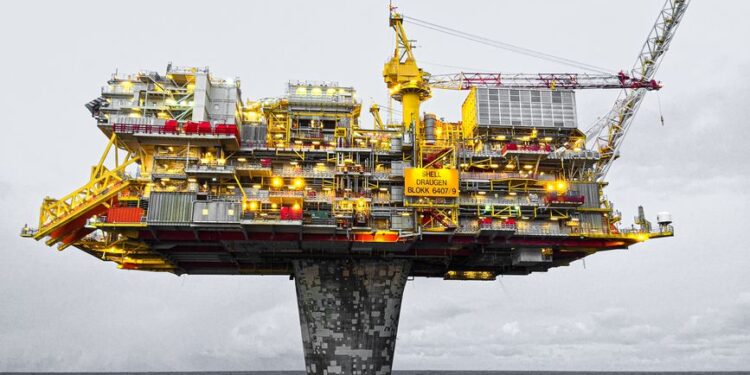
Applied Computing, a London-based startup, has launched an AI model designed specifically for oil and gas operators, aiming to optimize operations and improve decision-making.

Applied Computing is a London-based startup that has launched an AI model for oil and gas operators. The model, called Orbital, aims to optimize operations by integrating large amounts of data from various sources within a facility. This approach promises to improve decision-making and operational efficiency in an industry that often struggles with data fragmentation.
Founded in 2023, Applied Computing recently secured $20 million in Series A funding led by KBR, a major engineering firm. The company focuses on the oil, gas, refining, and petrochemical sectors, which have complex systems with thousands of sensors. These sensors monitor critical parameters like temperature, pressure, and viscosity. Despite having extensive data, many facilities use less than 8% of it for decision-making. This inefficiency is what Orbital aims to address. TechCrunch notes that data fragmentation is a major hurdle for operators, who often lack the tools to analyze and use the information effectively.
Transforming Data into Actionable Insights
Orbital stands out by combining a time series model, a physics-based model, and a language model. This combination predicts the operational state of a facility. It allows for real-time analysis of sensor readings, engineering documentation, and equipment constraints. Callum Adamson, co-founder and CEO of Applied Computing, emphasizes that the key challenge is enabling these diverse data sources to communicate effectively. The model can also detect anomalies and support predictive maintenance, which can significantly reduce downtime and costs. Adamson claims that Orbital can compress investigations that usually take days or weeks into just minutes. By providing quick insights into potential issues, the model helps maintain production efficiency while minimizing energy consumption.
The Orbital model adapts to the unique operational contexts of different facilities. This adaptability is crucial in an industry where no two operations are alike. The model’s predictive capabilities can forecast equipment failures before they happen. This allows for timely interventions that can save time and money. Reports highlight that using predictive analytics can lead to significant improvements in operational reliability and efficiency.
Applied Computing’s partnership with KBR is vital in this context. By integrating Orbital into KBR’s INSITE 3.0 digital platform, the startup gains access to operational data and industry expertise. This facilitates faster deployments and broader market reach. This collaboration is expected to enhance the operational capabilities of both companies, positioning them as leaders in the industrial AI space. The synergy between Applied Computing’s technology and KBR’s presence in the engineering sector is likely to accelerate AI adoption in the oil and gas industry.
The startup’s growth trajectory, moving from stealth mode to achieving double-digit millions in annual recurring revenue within 18 months, shows the demand for innovative solutions in this traditional industry.
Additionally, Applied Computing has opened an office in Houston, expanding its presence in the U.S. market. This strategic move aligns with the company’s goal to tap into the North American oil and gas sector, which is increasingly adopting AI technologies. The startup’s growth trajectory, moving from stealth mode to achieving double-digit millions in annual recurring revenue within 18 months, shows the demand for innovative solutions in this traditional industry. Tech.eu notes that establishing a U.S. office is a significant step in the company’s strategy to become a key player in the industrial AI landscape.
Implications for Oil and Gas Operators
The introduction of Orbital has significant implications for oil and gas operators. As the energy sector faces pressure to improve efficiency and reduce carbon footprints, AI technologies like Orbital offer a pathway to achieve these goals. By leveraging advanced data analytics, operators can make informed decisions that enhance productivity and align with sustainability targets. Integrating AI into operations is not just a trend; it represents a shift in how the industry approaches efficiency and environmental impact.
Career Ahead’s analysis shows that integrating AI in oil and gas operations signals a shift in the skills required for professionals in the sector. Data scientists and engineers will need to become proficient in AI technologies and data analysis techniques to remain competitive. This trend highlights the growing demand for professionals who can bridge traditional engineering practices with modern data-driven methods. As the industry evolves, educational institutions may need to adapt their curricula to prepare the workforce for these new demands, ensuring graduates have the necessary skills to thrive in an AI-enhanced environment.
Moreover, the operational efficiencies gained through AI can lead to cost savings that are critical in a volatile market. Operators who adopt these technologies early may gain a competitive edge over those who resist change. As AI continues to evolve, the ability to adapt will be crucial for long-term success. However, Applied Computing faces challenges entering a market dominated by established industrial software suppliers. Companies like AspenTech and AVEVA have long provided simulation and optimization solutions for the oil and gas sector. To compete effectively, Applied Computing must show the unique advantages of its AI model and its ability to deliver faster, more accurate insights.
As the oil and gas industry grapples with digital transformation, adopting AI technologies will depend on a willingness to innovate and adapt. The collaboration between startups like Applied Computing and established firms such as KBR could serve as a model for future partnerships aimed at driving technological advancements in the sector. Ultimately, the question remains: how will the oil and gas industry respond to the growing influence of AI? The coming years will reveal whether operators can effectively harness these technologies to transform their operations and meet market demands.
As the industry evolves, educational institutions may need to adapt their curricula to prepare the workforce for these new demands, ensuring graduates have the necessary skills to thrive in an AI-enhanced environment.
Frequently Asked Questions
What are the benefits of AI for oil and gas operators?
AI technologies like Applied Computing’s Orbital can significantly improve operational efficiency. They enable real-time data analysis and predictive maintenance. This leads to faster decision-making, reduced downtime, and lower operational costs.
How can data scientists contribute to AI implementation in energy?
Data scientists play a crucial role in developing algorithms that analyze complex datasets in the energy sector. Their expertise in machine learning and data analytics is essential for creating effective AI solutions that enhance operational efficiency.

What skills are needed to work with AI in oil and gas?
Professionals in the oil and gas sector will need skills in data analysis, machine learning, and AI technologies. As the industry evolves, integrating traditional engineering practices with modern data-driven methods will be increasingly important.
Related Articles
- ₹1.27 Lakh Crore Boost for Semiconductors and Mobile Manufacturing
Written by Career Ahead AI. AI can make mistakes, so verify key facts. Report errors to support@careeraheadonline.com.