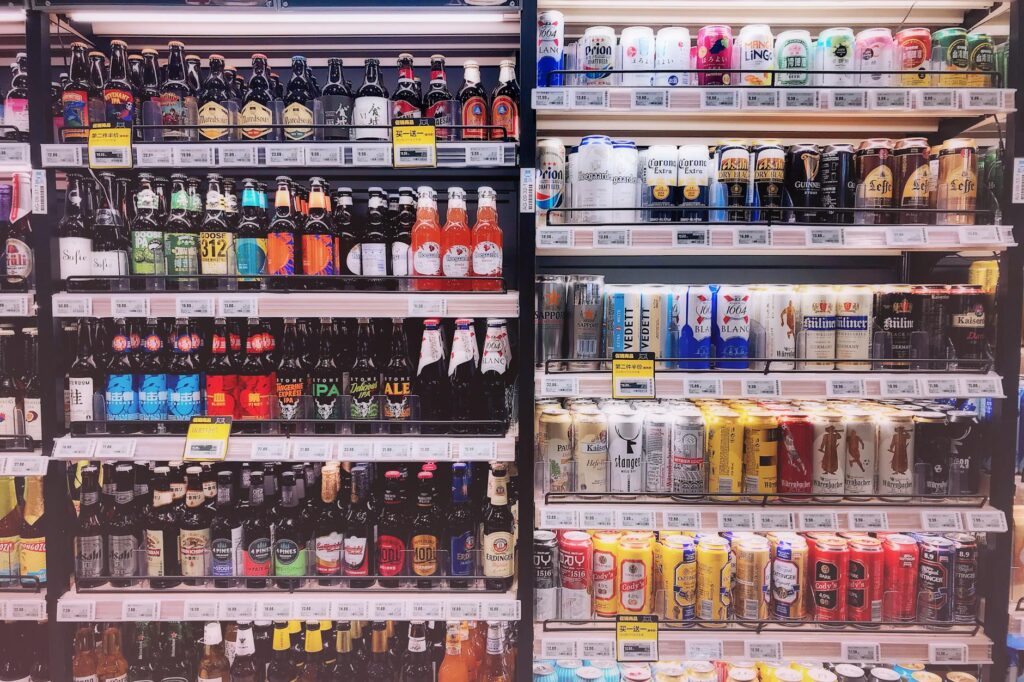
Retailers are confronting a structural inflection point: data‑driven density models must reconcile profitability, workforce pathways, and climate imperatives.
The next five years will reward firms that embed institutional power in adaptive networks rather than static square footage.
Macro Landscape of Retail Density
The global retail market is projected to reach $31.9 trillion by 2025, driven by a confluence of digital acceleration, shifting consumer expectations, and heightened sustainability scrutiny [1]. Since 2015, average foot traffic in U.S. malls has fallen 13 percent, while online sales have risen 38 percent, compressing the traditional “store‑first” growth paradigm [2].
Simultaneously, 75 percent of consumers now demand a seamless experience across channels, and 85 percent are willing to pay a premium for sustainable offerings [1][2]. These metrics signal a structural shift from pure geographic coverage to a hybrid model where physical presence serves as a service hub rather than a pure sales outlet.
Institutional actors—national associations such as the National Retail Federation (NRF) and the International Council of Shopping Centers (ICSC)—have codified this transition in policy briefs that encourage “right‑sizing” footprints to align with carbon‑reduction targets and labor market stability [3][4]. The macro forces therefore compel retailers to reconceptualize store density as a lever of career capital development, economic mobility, and organizational leadership rather than a mere real‑estate cost line.
Mechanics of Density Optimization
Data‑Enabled Site Selection
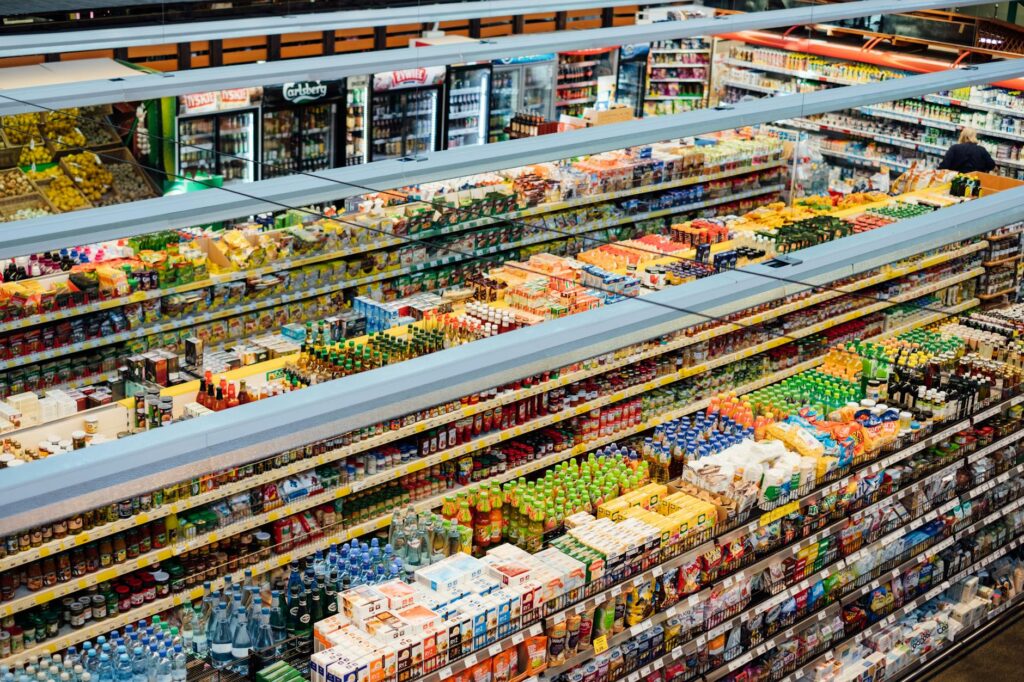
Retailers are deploying machine‑learning platforms that ingest foot‑traffic sensors, demographic shifts, and logistics cost curves to generate “density elasticity” scores. A 2023 case study of Zara’s European rollout showed a 15 percent reduction in operating expenses after consolidating 12 stores into 7 “experience‑focused” locations, while preserving sales volume through targeted omnichannel fulfillment [2].
Experiential Anchor Strategy
Physical stores are increasingly positioned as experience anchors—spaces for brand storytelling, in‑store pickup, and community events. Target’s “store‑within‑store” concept in 2022 generated a 20 percent uplift in basket size for participating locations, underscoring the correlation between curated experiences and incremental revenue [5].
This operational transparency also reshapes workforce roles: employees transition from transaction clerks to digital fulfillment specialists, expanding their skill sets and career trajectories.
Integrated Omnichannel Infrastructure
Omnichannel integration hinges on inventory visibility across the network. Retailers that achieve single‑view inventory report a 25 percent increase in customer retention and a 30 percent reduction in “last‑mile” delivery emissions [1]. This operational transparency also reshapes workforce roles: employees transition from transaction clerks to digital fulfillment specialists, expanding their skill sets and career trajectories.
 Entrepreneurship & Business
India’s Fast-Track GST Registration: Who Qualifies and What to Check
The simplified route targets businesses below a stated monthly output tax limit. A separate proposal outlines four tiers for GST registration.
Read More →Sustainability Embedded in Footprint Decisions
Energy‑intensive legacy stores are being retrofitted with LED lighting, solar canopies, and high‑efficiency HVAC, delivering an average 20 percent cut in energy costs per square foot [2]. Moreover, the ICSC’s “Green Mall” certification has become a de‑facto standard, influencing lease negotiations and institutional power dynamics between landlords and tenants.
Collectively, these mechanisms illustrate a systemic reallocation of capital from sheer square footage to networked capability, where each remaining store functions as a node of data, service, and sustainability.
Systemic Cascades Across Supply Chains and Urban Fabric
Supply‑Chain Flexibility
Density reduction forces supply chains to adopt modular fulfillment architectures. Retailers like Walmart have piloted “micro‑fulfillment centers” (MFCs) co‑located with suburban stores, enabling sub‑hour delivery while preserving a reduced physical footprint [6]. Firms that fail to reconfigure face 30 percent higher logistics costs, a risk amplified by volatile freight rates and climate‑related disruptions [1].
Urban Planning and Institutional Collaboration
City planners are integrating retail density models into Transit‑Oriented Development (TOD) frameworks. The Portland “20‑Minute Neighborhood” initiative partnered with major retailers to create mixed‑use hubs that combine reduced store footprints with residential and office space, delivering a 25 percent boost in local economic activity and measurable improvements in walkability scores [7]. This collaboration redefines institutional power: municipalities leverage retailer participation to meet climate goals, while retailers gain regulatory goodwill and access to high‑density foot traffic.
Labor Market Reconfiguration
A leaner store network reallocates labor from low‑skill sales roles to cross‑functional positions—inventory analytics, in‑store experience design, and sustainability reporting. According to NRF’s 2023 workforce report, employees who transition to these hybrid roles experience a 12 percent increase in earnings potential, enhancing economic mobility for workers traditionally confined to entry‑level retail positions [8]. Leadership development programs that embed data literacy and sustainability metrics become critical for retaining talent and sustaining the new operating model.
Leadership development programs that embed data literacy and sustainability metrics become critical for retaining talent and sustaining the new operating model.
Institutional Power Shifts
The concentration of decision‑making authority moves from regional real‑estate teams to centralized analytics councils. These councils, often chaired by senior executives with cross‑functional mandates, wield greater influence over capital allocation, workforce planning, and ESG reporting. This centralization aligns with the “institutional power of data” thesis articulated by the Harvard Business Review, whereby firms that embed analytics in governance outperform peers by 18 percent in total shareholder return [9].
 Government & Policy
Cornell Prevails in DEI Hiring Lawsuit After Judge’s Finding
The judge resolved the case on the plaintiff’s plans, leaving DEI-based discrimination arguments unaddressed.
Read More →Human Capital Reconfiguration in a Leaner Store Network
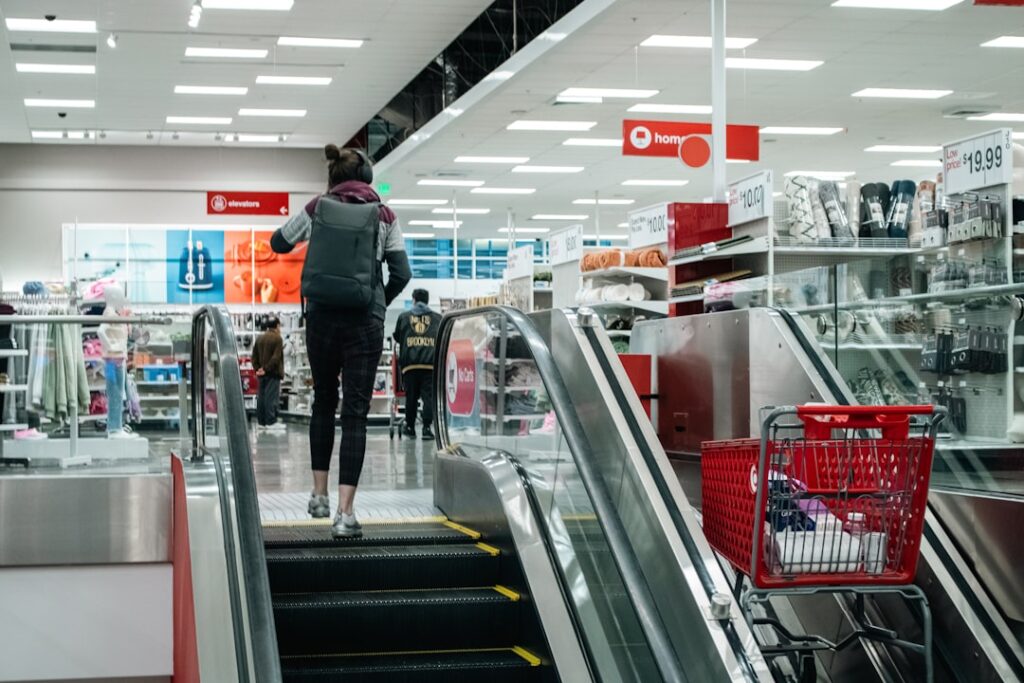
The reallocation of physical space has direct implications for career capital. Employees in consolidated stores acquire multichannel competencies—order‑pickup logistics, digital customer service, and sustainability stewardship—that are transferable across the retail ecosystem and beyond.
Case in point: Best Buy’s “Tech‑Savvy Associate” program launched in 2021, aligning store staffing with omnichannel service points. Participants reported a 30 percent higher promotion rate within two years, illustrating how institutional investment in skill development can translate into economic mobility for frontline workers [10].
Conversely, workers in regions where stores are closed without redeployment pathways face increased labor market frictions. Studies by the Economic Policy Institute indicate that store closures in low‑income zip codes raise local unemployment by 2.3 percentage points, underscoring the need for leadership‑driven transition assistance—such as partnership with community colleges for upskilling— to mitigate adverse outcomes.
Thus, the density calculus must incorporate human capital externalities: the net effect on workforce earnings, mobility, and long‑term talent pipelines. Retailers that embed these considerations into their strategic models generate asymmetric value, reinforcing both profitability and societal resilience.
Strategic Outlook to 2029
Looking ahead, three structural trajectories will dominate the density debate:
The convergence of these trends will reshape the retail employment landscape, demand new leadership skill sets, and embed sustainability into the core of institutional power structures.
- Hybrid Micro‑Network Expansion – Retailers will proliferate sub‑500 sq ft micro‑stores co‑located with MFCs, delivering hyper‑local fulfillment while maintaining a physical brand presence. Forecasts suggest 30 percent of U.S. retail square footage will be reclassified as micro‑nodes by 2029 [11].
- Data‑Centric Governance – Central analytics councils will institutionalize real‑time density adjustments, using predictive foot‑traffic models to open, shrink, or repurpose locations on a quarterly basis. This dynamic approach aligns capital deployment with macro‑economic cycles, reducing exposure to downturns.
- Sustainability‑Linked Lease Structures – Landlords and retailers will adopt performance‑based leases that tie rent to energy‑use intensity and carbon‑footprint benchmarks. Early adopters, such as Kohl’s in partnership with ICSC, have already reported 10 percent lower occupancy costs when meeting green thresholds [12].
The convergence of these trends will reshape the retail employment landscape, demand new leadership skill sets, and embed sustainability into the core of institutional power structures. Firms that anticipate and orchestrate these systemic shifts will secure a durable competitive edge while contributing to broader economic mobility and climate objectives.
 Government & Policy
Britain Sells Five-Year Debt at a 5.036% Yield
Gilt yields have risen across advanced economies, while dealers put the rise in Britain’s gross financing requirement for 2027/28 at £27 billion.
Read More →—
Key Structural Insights
- Retail density is evolving from a static real‑estate metric into a data‑driven network node that balances profit, workforce development, and carbon reduction.
- Institutional power now resides with centralized analytics councils that align store footprints, supply‑chain agility, and sustainability incentives across the enterprise.
- Over the next five years, micro‑store and performance‑based lease models will redefine the spatial economics of retail, driving asymmetric gains for firms that embed these structures systemically.
Written by Career Ahead AI. AI can make mistakes, so verify key facts. Report errors to support@careeraheadonline.com.