The rise of artificial intelligence (AI) is changing the job market. Many people wonder which professions will stay secure. Recent insights show that roles in healthcare, education, and skilled trades are less likely to be replaced by AI. Understanding these resilient careers is crucial for professionals who want to thrive in a changing landscape.
Experts say jobs that need human empathy, creativity, and hands-on skills will be the most secure. This is especially true in healthcare, where patient interaction and emotional intelligence are vital. As AI technology advances, it is important to explore which professions will endure and how they can adapt.
Healthcare: The Role of Empathy and Human Interaction
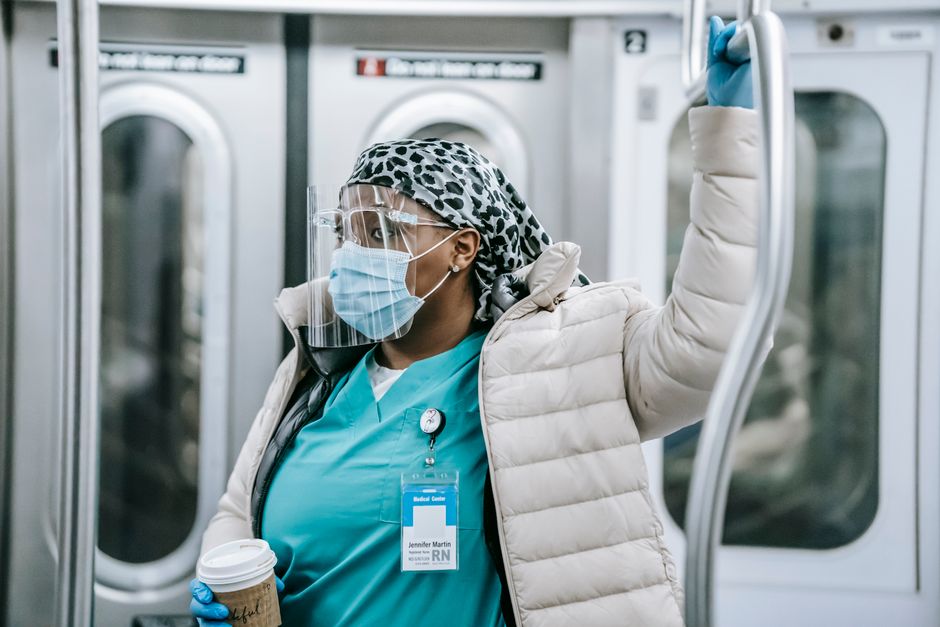
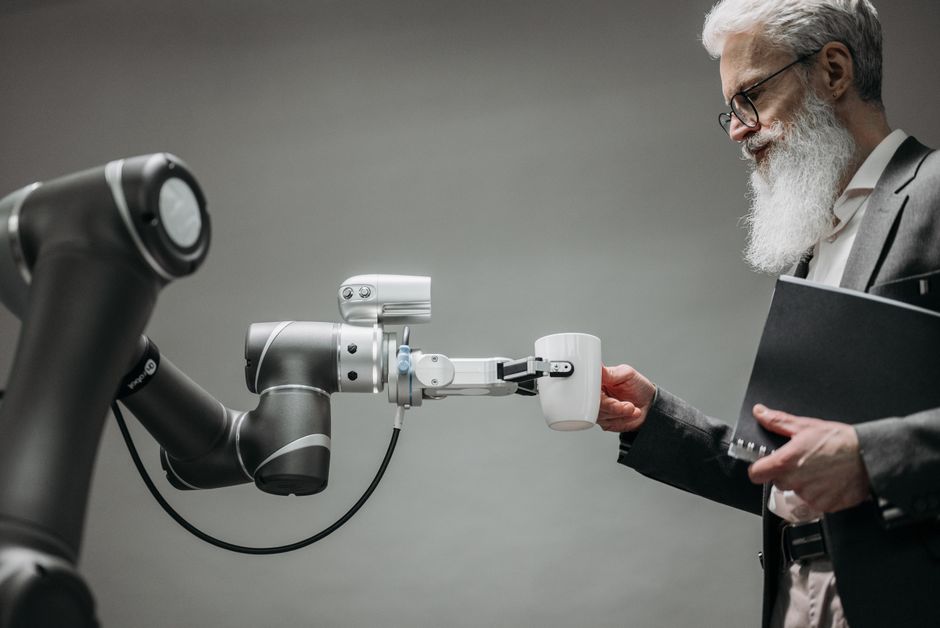
Healthcare professionals are among those least likely to be replaced by AI. Jobs like doctors, nurses, and pharmacists require technical skills and a deep understanding of human emotions. Career Ahead’s analysis finds that while some administrative tasks may be automated, patient care will remain human-led. For example, pharmacists who make treatment decisions are less likely to be disrupted by AI than pharmacy support staff who perform routine tasks.
A report by careersforge.com states that healthcare roles emphasizing direct patient interaction are expected to thrive. This includes positions like mental health counselors and geriatric care specialists, where empathy and personal connection are irreplaceable. As AI tools help with data management and diagnostics, the human element in healthcare will remain crucial.
Additionally, the evolution of healthcare technology suggests a shift in how professionals will work with AI. For instance, AI can improve diagnostic accuracy in radiology, but human expertise will still be needed for interpretation and treatment planning. This highlights the importance of continuous learning and adaptation in the profession.
The World Health Organization (WHO) projects a growing demand for healthcare professionals as populations age and health needs become more complex. This trend emphasizes job security for those in healthcare, as they will always be needed to provide compassionate care and make critical decisions that AI cannot.
Career Ahead’s research indicates that teachers who build trust and rapport with students will continue to be essential in the learning process.
Overall, the healthcare sector shows how jobs requiring technical knowledge and interpersonal skills are well-positioned to thrive in an AI-driven future.
Education: The Importance of Human Connection
 Future Skills & Work
AI Agents Reshaping Job Markets, Leaders Respond
The integration of AI agents into various sectors is transforming job markets globally, prompting leaders to rethink workforce strategies and skill requirements. This shift raises…
Read More →Education is another field where human-centric roles are expected to remain resilient against AI disruption. While AI can assist with administrative tasks and personalized learning, educators play a vital role in fostering relationships and guiding students. Career Ahead’s research indicates that teachers who build trust and rapport with students will continue to be essential in the learning process.
Sharath Jeevan, founder of Oxford University’s Generational Success Lab, emphasizes that students need trusted adults to support their learning journeys. This need for human connection means teaching roles will evolve rather than disappear. Educators will increasingly focus on mentoring and facilitating critical thinking skills, areas where AI lacks proficiency.
Childcare jobs, like childminders and nursery teachers, are also expected to be secure. Brett Wigdortz, CEO of the childcare agency Tiney, notes that parents prefer human caregivers for their children. This highlights the ongoing demand for personal interaction in early childhood education. This sector is likely to grow as awareness of early childhood development increases.

As AI tools become integrated into education, teachers will need to adapt by learning how to effectively incorporate these technologies into their lessons. This shift presents opportunities for educators to enhance their teaching methods while keeping the essential human element of education.
In summary, the education sector shows how roles centered around human interaction and mentorship will remain vital, even as technology advances.
Skilled Trades: Hands-On Expertise and Problem Solving
Skilled trades like carpentry, plumbing, and electrical work are expected to be among the most resilient professions against AI advancements. Brian Berry, CEO of the Federation of Master Builders, states that hands-on trades are less exposed to automation due to their reliance on practical skills and problem-solving abilities. Career Ahead’s analysis indicates that as construction technologies evolve, the demand for skilled tradespeople will remain strong.
However, the core hands-on work will still need skilled professionals who can adapt to changing technologies.
The construction industry is shifting, with AI being used in planning and estimating tasks. However, the core hands-on work will still need skilled professionals who can adapt to changing technologies. For example, while AI may help in project management, actual construction work will still require human oversight and expertise.
 Future Skills & Work
AI Disrupts Labor Markets, Alters Career Paths
Labor economists and AI policy analysts are now tasked with understanding these shifts. The podcast features insights from industry experts who highlight the urgency of…
Read More →Moreover, the perception of skilled trades is changing. Research shows that many parents hesitate to encourage their children to pursue careers in construction. However, with the resilience of these roles against AI, there is a growing need to change this narrative. Skilled trades offer rewarding career paths with strong job security, especially as the demand for housing and infrastructure continues to rise.
As more people recognize the value of skilled trades, these professions may gain renewed respect and interest among younger generations. This shift could attract more talent to the sector, further solidifying its importance in the economy.
In conclusion, the skilled trades sector illustrates how hands-on expertise and adaptability will be key to thriving in an AI-driven world. The demand for skilled labor is expected to grow, providing ample opportunities for those willing to enter these fields.
As AI technology evolves, the question remains: how will these resilient professions adapt and integrate new technologies while keeping their essential human elements? The future of work may depend on balancing automation with the irreplaceable qualities that only humans can provide.
Healthcare professionals should enhance their interpersonal skills and learn to use AI tools effectively.
Frequently Asked Questions
What skills should healthcare professionals develop to remain relevant?
Healthcare professionals should enhance their interpersonal skills and learn to use AI tools effectively. This combination will ensure they stay valuable in a technology-influenced landscape.
How can creative industry workers leverage AI to enhance their work?
Creative industry workers can use AI as a tool to boost their creativity. This allows them to focus on ideation and innovation while automating repetitive tasks, leading to more efficient workflows.

What training is recommended for skilled tradespeople to adapt to technological changes?
 Future Skills & Work
AI Careers Reshape Financial Futures
As AI technology continues to advance, its integration into financial analysis roles is accelerating. This shift is not just about automation; it’s about redefining what…
Read More →Skilled tradespeople should seek training in new technologies related to their field. This includes learning about digital project management and modern construction techniques that incorporate AI and automation.
Sources: Careersforge, Linkedin, Apidots.
Written by Career Ahead AI. AI can make mistakes, so verify key facts. Report errors to support@careeraheadonline.com.