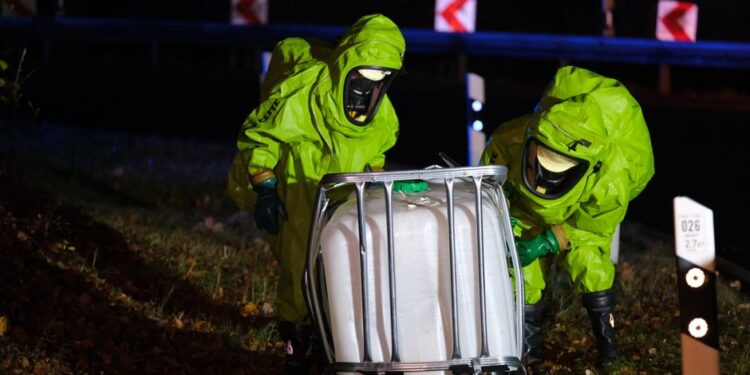
Germany’s BASF SE reported a serious incident involving a nitric acid leak at its main plant on July 11, 2026. The leak created a chemical cloud that firefighters quickly addressed. They hosed down the area to contain the hazardous material. Fortunately, the company confirmed that no injuries occurred, and the affected unit was promptly shut down. This incident raises important questions about safety protocols in chemical manufacturing.
This event highlights the need for strong emergency response strategies in the chemical industry. BASF’s team acted swiftly to manage the leak, showing effective crisis management. However, it also emphasizes the ongoing need for rigorous safety training and adherence to regulations. This is especially important given the increasing scrutiny on environmental health and safety practices. A report by Bloomberg noted that the incident was contained without injuries, but it serves as a reminder of the potential dangers in chemical manufacturing. These dangers can have serious implications for both workers and the surrounding community.
Impact of Chemical Leaks on Workplace Safety Regulations
Chemical leaks pose serious risks to the environment and the health of workers. After incidents like the BASF leak, regulatory bodies often respond with stricter safety regulations. For example, the European Union has tightened chemical safety laws after significant leaks, requiring companies to improve their safety measures. As noted by Linguee, the containment of hazardous materials is a key aspect of compliance that companies must prioritize.
Career Ahead’s analysis shows that incidents involving hazardous materials usually lead to more inspections and compliance checks by regulatory agencies. This trend forces chemical manufacturers to invest in better safety technology and training programs for their employees. As a result, engineers and safety specialists must stay updated on changing regulations to ensure compliance. The BASF incident is likely to lead to a review of existing safety protocols across the industry, as companies aim to avoid similar situations.
Moreover, companies that do not follow these regulations face severe penalties, including hefty fines and possible shutdowns. This creates a pressing need for chemical engineers to implement comprehensive safety protocols. By understanding the regulatory landscape, they can better prepare for audits and inspections, safeguarding their operations and workforce. The BASF incident is a stark reminder of the consequences of lapses in safety measures, reinforcing the need for a proactive approach to chemical safety.
Career Ahead’s analysis shows that incidents involving hazardous materials usually lead to more inspections and compliance checks by regulatory agencies.
Anup Bagchi, with over three decades in financial services, is set to lead HDFC Bank starting October 27, 2026, following the retirement of Sashidhar Jagdishan.
In the wake of the BASF incident, chemical engineers must conduct thorough reviews of their safety protocols. This includes evaluating containment systems and emergency response plans. By identifying gaps in their strategies, engineers can enhance preparedness for future incidents, reducing the risk of chemical leaks. Additionally, implementing advanced monitoring systems can help detect leaks early, allowing for quicker responses and minimizing environmental impact. As technology evolves, engineers must use these innovations to improve safety outcomes in their facilities.
Best Practices for Emergency Response in Chemical Plants
The recent leak at BASF highlights the need for well-defined emergency response plans in chemical manufacturing. Effective response strategies not only reduce immediate risks but also help maintain public trust and corporate reputation. A strong emergency response framework includes defined roles, communication strategies, and regular drills to ensure readiness. The incident has sparked discussions within the industry about integrating these elements into safety protocols.
Career Ahead research shows that regular training sessions for employees significantly improve response times during emergencies. These sessions should include simulations of potential leak scenarios, allowing workers to practice their roles in a controlled environment. By familiarizing employees with procedures, companies can enhance overall response effectiveness. Collaboration with local emergency services is also crucial. Building strong relationships with fire departments and hazardous materials teams can provide valuable insights into best practices. Joint training exercises can ensure that all parties are prepared to respond quickly and effectively in the event of a chemical leak.
Documentation is vital in emergency response as well. Companies must keep detailed records of safety protocols, training sessions, and incident reports. This information aids in compliance and serves as a reference for continuous improvement. By analyzing past incidents, organizations can identify trends and make changes to prevent future occurrences. The BASF incident serves as a critical case study for the industry, emphasizing the need for ongoing evaluation and enhancement of emergency response strategies.
Finally, fostering a culture of safety within the organization is essential. Encouraging employees to report near misses and safety concerns without fear can lead to proactive measures that enhance workplace safety. This cultural shift is crucial for creating an environment where safety is prioritized at all levels. As the chemical industry faces increased scrutiny, organizations must adopt best practices in emergency response. The BASF incident reminds us of the potential consequences of inadequate safety measures, emphasizing the need for continuous improvement in this critical area.
World food prices surged in September 2026, reaching their highest level in nearly four years due to extreme weather conditions and rising agricultural input costs.…
These sessions should include simulations of potential leak scenarios, allowing workers to practice their roles in a controlled environment.
As the industry deals with the implications of the BASF chemical leak, the focus will likely shift toward stricter regulations and improved training programs. How companies respond to these challenges will shape the future of chemical manufacturing safety. The incident highlights the risks of chemical production and serves as a catalyst for change in safety practices across the sector.
Frequently Asked Questions
What are the latest safety regulations for chemical manufacturing?
Career Ahead’s analysis shows that safety regulations are continually evolving, especially after incidents like the BASF leak. Companies must stay informed about changes in legislation and ensure compliance with new standards to avoid penalties.
How can environmental health and safety specialists improve response plans for chemical leaks?
Environmental health and safety specialists can enhance response plans by conducting regular training sessions, collaborating with local emergency services, and maintaining thorough documentation of safety protocols and incidents.
What should chemical engineers do to prevent future chemical leaks?
Chemical engineers should review safety protocols regularly, implement advanced monitoring systems, and foster a culture of safety within their organizations to minimize the risk of future chemical leaks.



News

News