AI competency has become a standard requirement for both technical and non-technical roles nationwide, with demand rising 17-fold in tech jobs since 2020.
AI competency has become a standard requirement for both technical and non-technical roles nationwide. Recent surveys indicate a 17-fold rise in demand for AI skills in tech jobs and a six-fold rise in non-tech positions since 2020.
The core finding is that AI skills are now a baseline capability across Indian workplaces, according to a report released in July 2026 that aggregates data from multiple national studies [4]. The trend has been documented in a series of publications issued in 2026, including the India AI Workforce Report, the India Skills Report, and the government’s AI@Work white paper [1][2][3]. The data cover the entire country, with particular emphasis on metropolitan areas and emerging technology hubs.
The reports draw on responses from 11,444 professionals surveyed for the India AI Workforce Report [1] and on a broader assessment of workforce readiness conducted by ETS, CII, AICTE, AIU and Taggd for the India Skills Report [2]. Government agencies contributed through the AI@Work initiative, which outlines national policy objectives for AI-driven productivity and inclusive growth [3]. Employers across sectors, from software development firms to manufacturing and services companies, are identified as the primary drivers of the heightened skill demand.
Growth in AI Skill Demand Since 2020
Data compiled by the Economic Times in February 2026 show that demand for AI-related competencies in technology occupations has increased more than 17-fold since 2020 [4]. In parallel, non-technical roles such as marketing, finance and operations have experienced a six-fold rise in AI skill requirements over the same period [4]. The surge aligns with accelerated AI adoption across industries, including automation of routine tasks, deployment of predictive analytics, and integration of generative AI tools.
The India AI Workforce Report attributes the rapid escalation to three factors: (1) expanded use of AI platforms in product development, (2) regulatory incentives encouraging AI integration, and (3) corporate upskilling programs targeting existing staff [1]. The India Skills Report corroborates these drivers, noting that the national employability rate rose to 56.35% in 2026, reflecting improved job readiness linked to AI-focused training [2].
Growth in AI Skill Demand Since 2020 Data compiled by the Economic Times in February 2026 show that demand for AI-related competencies in technology occupations has increased more than 17-fold since 2020 [4].
Survey Findings and Institutional Contributions
AI Skills Reach Baseline Workplace Capability Across India, Reports Show
The India AI Workforce Report surveyed 11,444 professionals across 23 states, capturing self-reported proficiency levels and employer expectations [1]. Respondents indicated that 68% of tech-focused job postings now list AI knowledge as a mandatory qualification, while 42% of non-tech postings require at least basic AI awareness [1]. The report also highlights a geographic concentration of AI skill demand in Tier-1 cities such as Bengaluru, Hyderabad, and Delhi, though growth is observable in Tier-2 and Tier-3 centers as well [1].
The India Skills Report, prepared jointly by ETS, CII, AICTE, AIU and Taggd, provides a macro-level assessment of workforce readiness, documenting a 1.54-percentage-point increase in the overall employability index from 2025 to 2026 [2]. The report emphasizes that AI-driven curricula introduced by higher-education institutions and private training providers have contributed to the upward trend. The AI@Work white paper, released by the Government of India in February 2026, outlines policy measures to support AI skilling, including funding for certification programs and incentives for industry-academia collaborations [3].
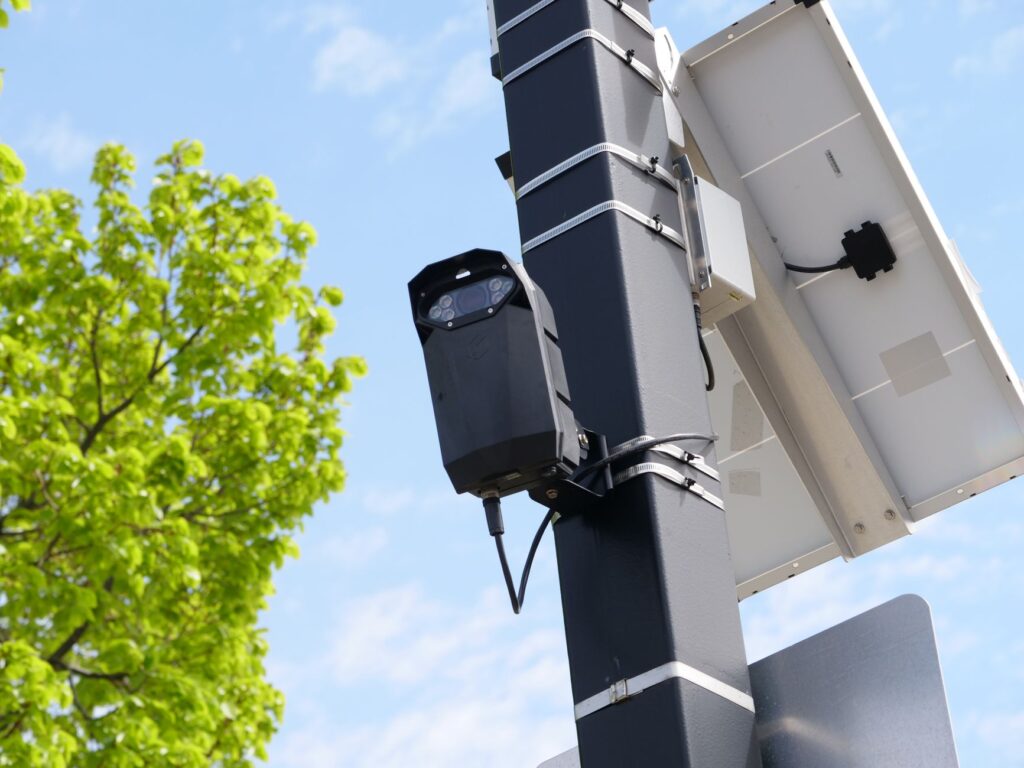
Flock Safety’s ALPR cameras, installed in multiple U.S. jurisdictions, have drawn objections from civil‑rights groups over data‑collection and privacy practices.
Implications for Students, Educators, and Employers
For current students and recent graduates, the baseline status of AI skills means that curricula lacking AI components may no longer align with employer expectations. Institutions are responding by integrating AI modules into engineering, business, and liberal-arts programs, as indicated by the surge in AI-related course offerings reported in 2026 [2][3]. Professional training providers are expanding short-term certification pathways to address immediate skill gaps identified by employers [1].
Employers across sectors are adjusting recruitment and talent-development strategies. The reports note an increase in internal upskilling budgets, with 54% of surveyed companies allocating dedicated resources for AI training in 2026 [1]. Non-tech firms are also partnering with technology vendors to embed AI tools in workflow processes, thereby creating new internal roles that require hybrid skill sets [4].
Policymakers are using the data to shape national skill-development initiatives. The AI@Work document outlines targets to certify 10 million workers in AI fundamentals by 2030, aiming to sustain the momentum of AI adoption while mitigating skill shortages [3]. The coordinated effort among government bodies, industry associations, and educational institutions reflects a systematic approach to embedding AI capabilities throughout the labor market.
Key Facts
Implications for Students, Educators, and Employers For current students and recent graduates, the baseline status of AI skills means that curricula lacking AI components may no longer align with employer expectations.
What: AI skills have become a standard requirement for both technical and non-technical jobs across India.
When: Demand rose 17-fold in tech roles and six-fold in non-tech roles between 2020 and 2026.
Meta's smart glasses, branded as 'pervert glasses', have led to a significant backlash among influencers, impacting their follower counts and brand partnerships. As privacy concerns…





 News
NewsNews