Navigating the AI Wave in Freight Logistics
Freight logistics is undergoing a significant transformation. Artificial Intelligence (AI) is at the forefront of this change. Companies are increasingly adopting AI technologies to enhance efficiency and optimize operations. The potential benefits are immense, but so are the challenges that lie ahead.
According to www.mckinsey.com, AI can revolutionize how freight brokers and forwarders operate. This technology allows for better decision-making and improved cargo handling. With AI, businesses can predict demand more accurately and optimize their supply chain processes. This shift not only enhances operational efficiency but also has the potential to reduce costs.
As AI becomes more integrated into logistics, it is essential to understand its implications. The industry must adapt to these changes, which require significant investment in technology and workforce training. Companies that embrace AI may gain a competitive edge, while those that resist may struggle to keep up.
The Big Idea: Efficiency Through AI
The core idea behind AI in freight logistics is efficiency. AI systems can analyze vast amounts of data quickly, leading to better insights and decisions. For instance, predictive analytics can forecast demand trends, helping companies manage inventory more effectively.
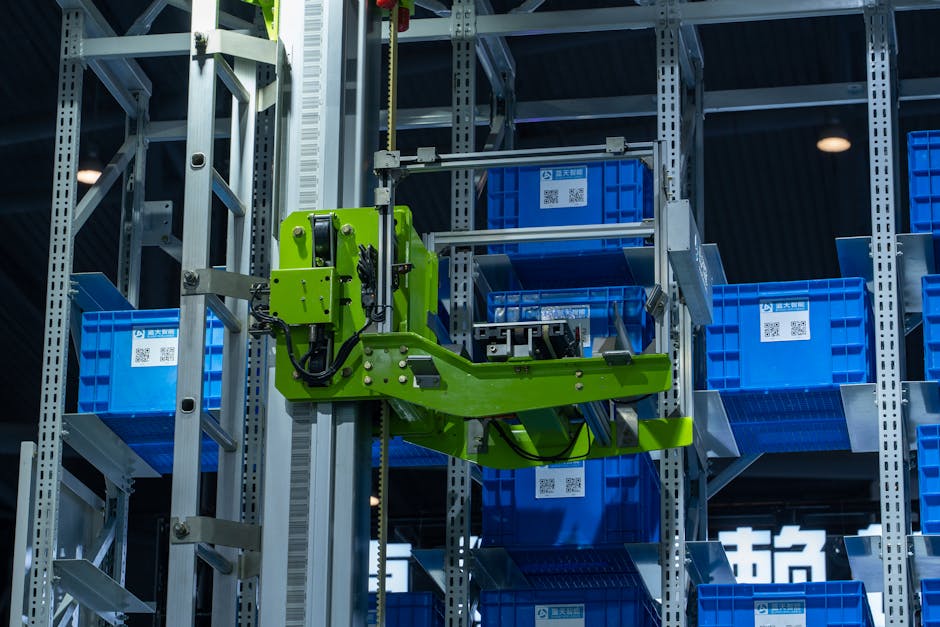
Moreover, AI can streamline operations by automating routine tasks. This includes everything from scheduling shipments to managing warehouse inventory. By reducing manual intervention, companies can minimize errors and enhance productivity. According to ntgfreight.com, automation in logistics is not just a trend; it is becoming a necessity for survival in a competitive market.
However, the transition to AI-driven logistics is not without its challenges. Businesses must ensure their workforce is equipped with the necessary skills to work alongside AI systems. This requires ongoing training and a willingness to adapt to new technologies. The future of logistics hinges on this balance between technology and human expertise.
Businesses must ensure their workforce is equipped with the necessary skills to work alongside AI systems.
Data-Driven Decision Making
 Entrepreneurship & Business
Europe Adds to Business Regulatory Burden, Speaker Says
The exchange covered deregulation, CBAM, an India-EU trade agreement and trade figures for India’s ties with the EU and the Netherlands.
Read More →AI’s ability to process and analyze data presents significant opportunities for freight logistics. Companies can leverage this technology to gain real-time insights into their operations. This data-driven approach allows for more informed decision-making, which is crucial for optimizing supply chains.
For example, AI can analyze traffic patterns and weather conditions to suggest the best routes for deliveries. This not only saves time but also reduces fuel consumption. According to findscac.com, efficient routing is critical for minimizing costs and improving service levels in logistics.
Furthermore, data analytics can help identify inefficiencies within the supply chain. By pinpointing bottlenecks and areas for improvement, companies can implement targeted strategies to enhance their operations. This proactive approach is essential in a rapidly changing market where customer expectations are constantly evolving.
Global Context and Competitive Landscape
The impact of AI on freight logistics is not limited to one region; it is a global phenomenon. Countries around the world are increasingly exploring AI technologies to improve their logistics sectors. This trend is particularly evident in the United States and Europe, where companies are adopting AI solutions.
In this competitive landscape, companies that successfully integrate AI into their operations may emerge as leaders. Those that lag behind could find it challenging to compete. The global logistics market is expected to evolve significantly, with AI playing a notable role in this transformation.
Moreover, the integration of AI in logistics is influencing international trade. As companies become more efficient, they can respond to global demand more swiftly. This agility is crucial in a world where supply chains are often disrupted by unforeseen events.
In this competitive landscape, companies that successfully integrate AI into their operations may emerge as leaders.
Contradictions and Active Debates
Despite the clear benefits of AI in freight logistics, there are ongoing debates about its implications. One major concern is the potential for job displacement. As automation increases, many fear that traditional logistics roles may become obsolete.
 Entrepreneurship & Business
Use a Business Loan to Fix Cash Flow: Five Decisions
Cash flow is the top challenge for half of small firms. Here is how to choose a loan that fits.
Read More →However, proponents argue that AI will create new job opportunities. These roles will require different skill sets, focusing on technology management and data analysis. The challenge lies in ensuring that the workforce is prepared for this shift. According to siccode.com, the logistics industry must prioritize training and development to facilitate this transition.
Another point of contention is the reliance on technology. Critics argue that over-dependence on AI could lead to vulnerabilities, particularly in times of crisis. Businesses must strike a balance between leveraging AI and maintaining human oversight to ensure resilience.
Future Outlook: Embracing AI
The future of freight logistics is likely to be closely linked with advancements in AI. As technology continues to evolve, so too will the capabilities of AI systems. Companies that embrace these advancements may be well-positioned to thrive in the coming years.
Looking ahead, the logistics industry will likely see increased collaboration between humans and AI. This partnership will enhance operational efficiency while allowing employees to focus on higher-value tasks. The emphasis will shift from routine operations to strategic decision-making and customer engagement.
Career Relevance: Skills for the Future For young professionals entering the logistics field, understanding AI’s role is crucial.

Moreover, as AI technologies mature, we can expect more innovative applications within logistics. From autonomous vehicles to advanced predictive analytics, the possibilities are vast. The industry must remain agile to adapt to these changes and capitalize on the opportunities they present.
Career Relevance: Skills for the Future
For young professionals entering the logistics field, understanding AI’s role is crucial. As the industry evolves, so will the skill sets required for success. Familiarity with AI technologies and data analytics will be essential for career advancement.
 Entrepreneurship & Business
India’s E-Invoice Rollout Has Passed: A Freelancer’s GST Guide
Threshold descriptions differ, and a mandated invoice needs IRP registration before a buyer can claim input tax credit.
Read More →Moreover, professionals must be adaptable and willing to learn. The logistics landscape is changing rapidly, and those who can navigate these changes will thrive. Investing in education and training will be key to unlocking future career opportunities in this dynamic field.
Written by Career Ahead AI. AI can make mistakes, so verify key facts. Report errors to support@careeraheadonline.com.