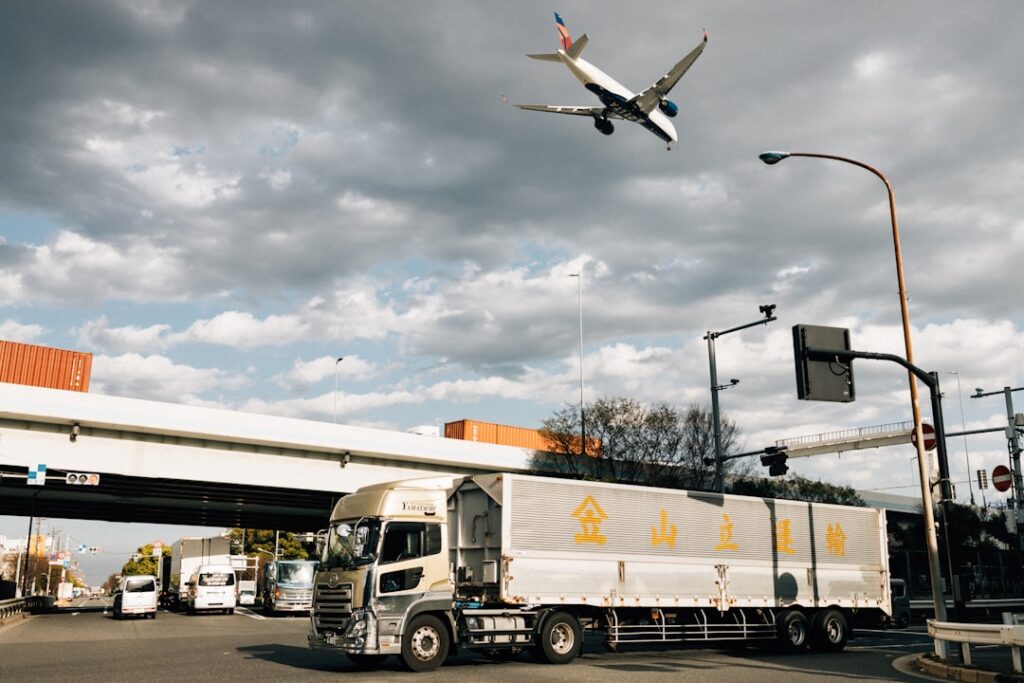
Navigating Change in Freight Logistics
Freight logistics is at a pivotal moment. The rise of artificial intelligence (AI) is reshaping the landscape. This technology enhances efficiency, optimizes routes, and streamlines operations. As companies face increasing pressure to reduce costs and improve service, AI offers a promising solution.
According to www.mckinsey.com, AI can significantly transform supply chain operations. By integrating predictive analytics, companies can forecast demand more accurately. This leads to better inventory management and reduced waste. With AI, freight companies can make informed decisions that drive profitability.
The urgency for change is evident. Analysts suggest that the logistics sector is expected to grow, driven in part by e-commerce and global trade. Companies that leverage AI will likely gain a competitive edge. Those hesitant to adopt these technologies may struggle to keep pace.
As the industry evolves, stakeholders must adapt. Freight brokers and forwarders need to rethink their strategies. Embracing AI is not just an option; it is becoming essential for survival.
The Big Idea: AI’s Role in Optimization
AI’s core strength lies in its ability to optimize operations. In freight logistics, this means enhancing route planning and cargo management. By analyzing vast amounts of data, AI can identify the most efficient routes. This reduces fuel consumption and delivery times.
Moreover, AI algorithms can adapt to real-time conditions. Traffic patterns, weather, and other variables can be considered instantly. This flexibility allows logistics companies to respond proactively to challenges. According to wearewarp.com, such adaptability is crucial in maintaining service quality.
Automation is another critical benefit of AI. Routine tasks, such as scheduling and inventory checks, can be automated. This frees up human resources for more strategic roles. Companies can focus on building relationships and improving customer service.
According to wearewarp.com, such adaptability is crucial in maintaining service quality.
 Entrepreneurship & Business
How Cleartrip is Transforming Travel with Holiday Offers
Cleartrip is pivoting towards holiday packages, aiming for a significant share of its business from this segment. This strategic move aligns with shifting consumer preferences…
Read More →In essence, AI transforms logistics from a reactive to a proactive industry. The shift towards data-driven decision-making is profound. Companies that embrace this change will find themselves at the forefront of the logistics revolution.
Global Context: Trends and Implications
The integration of AI in freight logistics is not limited to one region. Globally, companies are investing in technology to enhance their supply chains. From the US to Europe and Asia, the trend is clear: AI is reshaping logistics.
In the United States, for instance, major logistics firms are adopting AI to improve efficiency. This is particularly evident in the trucking sector, where companies are utilizing AI for route optimization. As a result, delivery times have decreased, and operational costs have been reduced.
In Europe, the emphasis is on sustainability. AI helps companies reduce their carbon footprint by optimizing routes and improving load management. This aligns with EU regulations aimed at promoting greener logistics. According to coda-usa.com, sustainability is now a key driver for logistics firms looking to remain competitive.
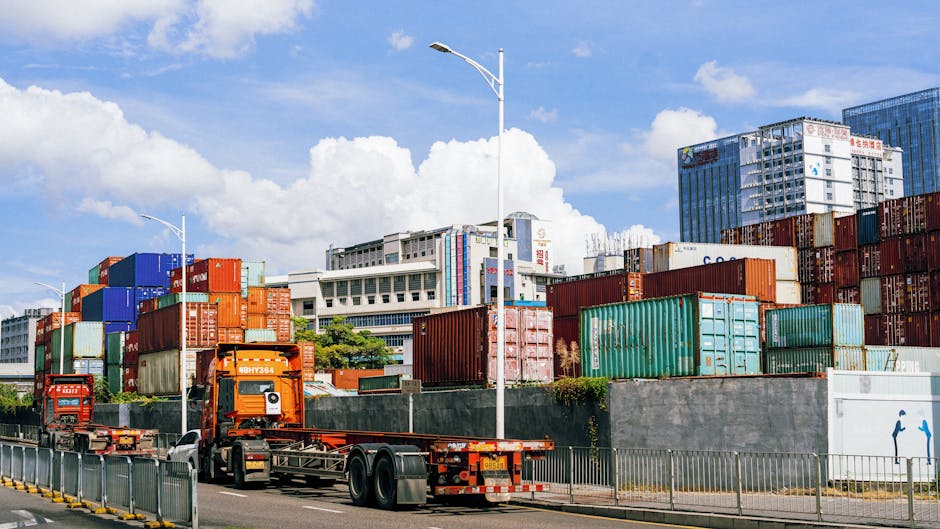
As these trends unfold, the global logistics landscape is becoming increasingly interconnected. AI facilitates collaboration between companies across borders. This interconnectedness enhances efficiency and drives innovation, creating a more resilient supply chain.
The key lies in reskilling and upskilling the workforce to meet these new demands.
Contradictions and Active Debates
Despite the benefits, the rise of AI in logistics is not without controversy. Some industry experts argue that reliance on AI could lead to job losses. Automation may replace roles traditionally held by humans, raising concerns about employment.
Others counter that AI will create new opportunities. As routine tasks become automated, there will be a demand for skilled workers to manage AI systems. The key lies in reskilling and upskilling the workforce to meet these new demands.
Moreover, there are debates around data privacy and security. With AI relying heavily on data, concerns about how that data is collected and used are paramount. Companies must navigate these ethical considerations carefully to maintain trust with their customers.
 Entrepreneurship & Business
Europe Adds to Business Regulatory Burden, Speaker Says
The exchange covered deregulation, CBAM, an India-EU trade agreement and trade figures for India’s ties with the EU and the Netherlands.
Read More →Ultimately, the conversation around AI in logistics is complex. While the potential for efficiency gains is significant, stakeholders must address the accompanying challenges. Balancing innovation with ethical considerations will be crucial for the industry’s future.
Future Outlook: The Path Ahead
The future of freight logistics is poised for transformation. AI will play a central role in shaping this evolution. As technology advances, logistics companies will need to adapt continually.
In the coming years, we can expect greater integration of AI across all levels of logistics. From warehouse automation to last-mile delivery, AI will enhance efficiency and customer satisfaction. Companies that invest in these technologies now will be better positioned for the future.

Moreover, the focus on sustainability will intensify. With growing regulatory pressures, logistics firms will need to adopt greener practices. AI can facilitate this transition, helping companies minimize their environmental impact.
Career Relevance in an AI-Driven Landscape For young professionals entering the logistics field, understanding AI’s role is essential.
As the logistics landscape evolves, collaboration will be key. Companies will need to work together to share data and insights. This collaborative approach will drive innovation and improve overall efficiency in the supply chain.
Career Relevance in an AI-Driven Landscape
For young professionals entering the logistics field, understanding AI’s role is essential. As companies adopt these technologies, new career paths will emerge. Skills in data analysis, AI management, and logistics optimization will be in high demand.
Moreover, the ability to adapt to technological changes will be crucial. Workers must be willing to learn and grow as the industry evolves. Continuous learning will be a hallmark of successful careers in logistics.
 Entrepreneurship & Business
Use a Business Loan to Fix Cash Flow: Five Decisions
Cash flow is the top challenge for half of small firms. Here is how to choose a loan that fits.
Read More →In summary, the freight logistics sector is undergoing significant change. AI is at the forefront of this transformation. For those looking to build careers in this field, embracing technology and developing relevant skills will be vital.
Written by Career Ahead AI. AI can make mistakes, so verify key facts. Report errors to support@careeraheadonline.com.