Farmers are increasingly using AI technologies to boost productivity and efficiency. New tools like cow-milking robots and weed-zapping lasers are changing traditional farming. This trend is growing in many regions, marking a big shift in agriculture today.
Integrating AI tools in farming is more than just a tech upgrade; it changes agricultural practices. Farmers can now streamline operations, cut labor costs, and improve crop yields with innovative solutions. These advancements are vital for meeting the rising global food demand while using resources sustainably.
Revolutionizing Dairy Farming with Robotics
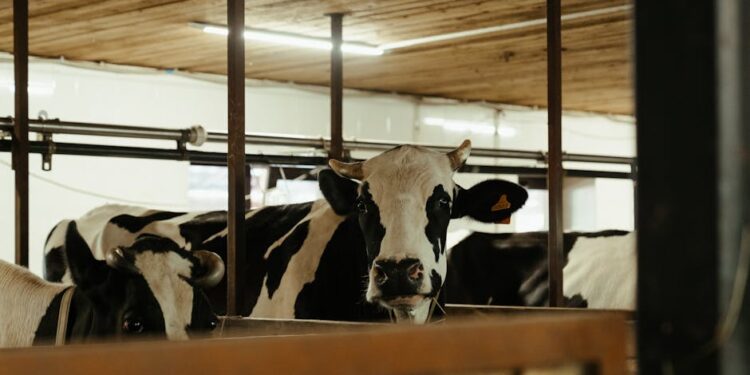
Cow-milking robots are now common on modern dairy farms. These systems let cows be milked on their own schedule, improving animal welfare and efficiency. According to The Bullvine, many dairy farmers choose robotic milking systems to lower labor costs and improve milk quality. This shift is not just about automation; it changes how farmers manage their herds. They can monitor milk production in real-time, leading to better herd management and health tracking. This data-driven method helps spot health issues early and optimize feeding, increasing milk yields.
While the initial investment in robotic systems can be high, the long-term benefits often outweigh the costs. Farmers report less physical strain and more time for other important tasks. As this technology becomes more affordable, even small to medium-sized dairy farms are expected to adopt it. The Bullvine notes that robots can boost milk production by 10-15%, a significant gain for farmers.
Career Ahead analysis shows that adopting robotic milking technology will create a demand for agricultural technologists. These professionals will need skills to manage and maintain these systems. As more farms use AI technologies, the need for experts in both agriculture and technology will grow. This shift not only boosts productivity but also opens new career paths in agriculture, highlighting the importance of education and training in these technologies.
These professionals will need skills to manage and maintain these systems.
Cygni Energy and Indus Towers have signed a Memorandum of Understanding to develop energy storage solutions for telecom infrastructure, marking a significant step towards sustainability…
AI technologies are also making waves in crop management. Weed-zapping lasers are being introduced as a precise tool for controlling unwanted plants. Business ESA highlights that these lasers target specific weeds without harming crops, offering an eco-friendly alternative to traditional herbicides. This method reduces chemical use and enhances crop yields by minimizing competition for resources. Farmers using weed-zapping lasers report better efficiency and lower herbicide costs. The precision of these systems allows for targeted treatment, cutting waste and environmental impact.
The technology behind weed-zapping lasers is still developing, but early users are seeing positive results. By adopting these systems, farmers can manage weeds better while following sustainable practices. This change is crucial as agriculture faces pressure to reduce its environmental footprint. According to Business ESA, farms using these lasers have seen up to a 30% drop in herbicide costs, showing both financial and environmental benefits.
Career Ahead research indicates that the rise of precision agriculture tools will require farmers to learn new skills in technology management and data analysis. Understanding how to interpret data from these systems will be key for optimizing their use. As these technologies become more common, agriculture will likely shift to a more data-driven approach, making decisions based on real-time insights.
As farmers adopt these AI technologies, agriculture is changing quickly. The integration of robotics and precision tools sets a new standard for efficiency and sustainability. The impact of AI technologies goes beyond individual farms. The entire agricultural sector is transforming, which could reshape food production and distribution. With tools like cow-milking robots and weed-zapping lasers, farmers are better prepared to face the challenges of a growing population and changing climate.
As AI continues to advance, more sophisticated technologies will likely emerge, giving farmers even greater capabilities. For example, AI-driven analytics can help predict crop yields, optimize resource use, and forecast market trends. This data-centric approach allows farmers to make informed decisions that enhance productivity and profitability. Additionally, the shift towards AI in agriculture raises questions about the future workforce. As traditional roles change, there is a growing need for educational programs that equip the next generation of agricultural professionals with the skills needed in a tech-driven world. The demand for skilled workers who can connect agriculture and technology is expected to rise significantly.
As traditional roles change, there is a growing need for educational programs that equip the next generation of agricultural professionals with the skills needed in a tech-driven world.
Integrating AI technologies in agriculture has its challenges. High initial costs and ongoing maintenance can be barriers for some farmers. However, as technology becomes more widespread and affordable, these challenges may lessen. Looking ahead, the agricultural sector must navigate these changes carefully. The continued adoption of AI technologies will influence farming practices and impact food security and sustainability worldwide. As farmers embrace these innovations, the future of agriculture looks promising yet complex.
Frequently Asked Questions
What are the benefits of using AI in farming?
AI technologies offer many benefits, such as increased efficiency, lower labor costs, and improved crop yields. Tools like cow-milking robots and weed-zapping lasers help farmers optimize their operations while promoting sustainability.
How can agricultural technologists leverage AI tools?
Agricultural technologists can leverage AI tools by learning to manage and maintain advanced technologies like robotic milking systems and precision weed control lasers. This expertise is crucial for maximizing the benefits of these farming innovations.
What should farmers do to adopt AI technologies effectively?
Farmers looking to adopt AI technologies should assess their specific needs and explore solutions that fit their operations. Investing in training and education is also essential to ensure they can use these new tools effectively.



Industry & Global Trends
Industry & Global Trends