No products in the cart.

'E85 fuel to sell at Rs 20/litre discount'
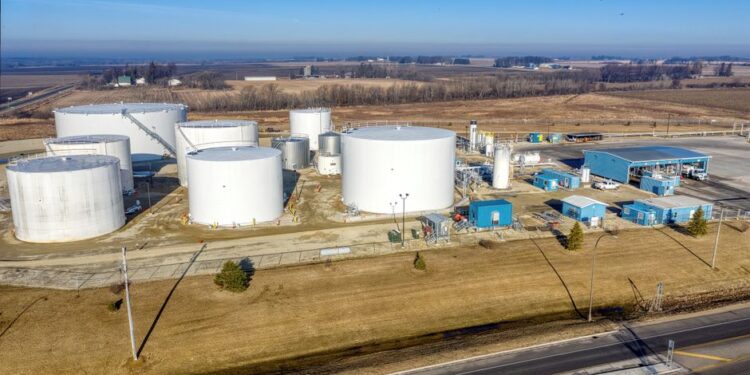
India's state-run oil companies are launching E85 fuel, a blend of 85% ethanol and 15% petrol, at a Rs 20 per litre discount to promote biofuel adoption and reduce fossil fuel reliance.

India’s state-run oil companies have announced the launch of E85 fuel, a blend of 85% ethanol and 15% petrol, at a discount of Rs 20 per litre. This initiative aims to promote biofuel use and reduce reliance on traditional fossil fuels. The rollout is set to begin with 500 fuel stations by the end of this year, expanding to 5,000 stations by 2027.
Oil Minister Hardeep Singh Puri inaugurated the first E85 dispensing facility at a petrol pump in New Delhi. This strategic move is expected to accelerate the adoption of flex-fuel vehicles, which are designed to run on higher ethanol blends. The government is also pushing for a broader shift to biofuels, as evidenced by recent collaborations with automotive manufacturers like Maruti Suzuki and Hero MotoCorp, who have launched models compatible with E85 fuel.
Infrastructure Development for E85 Fuel
The implementation of E85 fuel infrastructure is a critical step in India’s transition to renewable energy. State-run oil companies are spearheading the deployment of E85 at fuel stations, with plans to enhance the existing network. Currently, Indian Oil has around 400 stations capable of dispensing E100, or pure ethanol, across several states, including Delhi and Maharashtra.
Career Ahead’s analysis identifies that the establishment of E85 infrastructure will require significant investment in retrofitting existing fuel stations and training personnel to handle the new fuel. This presents an opportunity for fuel station operators to diversify their offerings and attract environmentally conscious consumers. By integrating E85 into their fuel mix, station operators can benefit from increased foot traffic and customer loyalty.
Career Ahead’s analysis identifies that the establishment of E85 infrastructure will require significant investment in retrofitting existing fuel stations and training personnel to handle the new fuel.
Moreover, the government’s commitment to biofuels aligns with global trends toward sustainable energy. Countries worldwide are adopting policies to reduce carbon emissions, and India’s move to E85 could position it as a leader in the biofuel sector. The phased rollout will allow operators to adjust and prepare for the operational changes required to accommodate this new fuel.
You may also like
 News
NewsUAE may halt UK investments after Manchester City guilty verdict
The UAE's potential withdrawal of investments in the UK, following Manchester City's guilty verdict for financial breaches, could significantly impact the sports and real estate…
Read More →As E85 becomes more widely available, fuel station operators must consider the logistics of fuel delivery and storage. Ethanol has different handling requirements compared to traditional petrol, and operators will need to ensure compliance with safety regulations. This transition will not only enhance their service offerings but also contribute to a greener future. According to the Economic Times, the government plans to roll out E85 fuel in phases, with an initial target of 500 fuel stations by the end of this year and an ambitious goal of 5,000 stations by 2027. This extensive rollout will necessitate a robust supply chain and logistics framework to support the increased demand for E85 fuel.
Impact on Automotive Engineering
The introduction of E85 fuel also has significant implications for automotive engineering. Flex-fuel vehicles (FFVs) are designed to operate on varying ethanol blends, and the recent launches by Maruti Suzuki and Hero MotoCorp indicate a growing market for these vehicles. Career Ahead research finds that the demand for FFVs will likely increase as consumers seek more sustainable transportation options.
Automotive engineers will need to adapt existing vehicle designs to accommodate higher ethanol concentrations. Ethanol has a lower energy content than petrol, which means that vehicles running on E85 may require adjustments in engine tuning and fuel system components. This presents a challenge but also an opportunity for engineers to innovate and enhance vehicle efficiency. The Economic Times notes that ethanol’s energy content is about one-third lower than that of petrol, which necessitates a price incentive like the Rs 20 discount to attract consumers to E85.
The collaboration between fuel producers and automotive manufacturers will be vital in ensuring the successful integration of E85 into the market.
Furthermore, as E85 fuel gains popularity, automotive manufacturers may invest more in research and development for advanced flex-fuel technologies. This could lead to a new wave of vehicles that not only meet emissions standards but also provide better performance and fuel economy. Engineers will play a crucial role in this evolution, as they develop solutions that optimize engine performance while supporting the transition to renewable fuels.
You may also like
 News
NewsBT accused of ‘bullying’ customers
BT's decision to pause broadband services for some customers has sparked accusations of bullying, raising concerns about the impact on vulnerable populations during the transition…
Read More →The collaboration between fuel producers and automotive manufacturers will be vital in ensuring the successful integration of E85 into the market. As both industries work together, they can create a more robust supply chain that supports the growth of biofuels and enhances consumer acceptance. The simultaneous rollout of compatible vehicles and fuel dispensing infrastructure will help accelerate E85 adoption, as highlighted by Minister Puri, who stated that there is a “pretty compelling case” for shifting to E85 due to its lower emissions and reduced dependence on fuel imports.
The rollout of E85 fuel at a Rs 20 discount represents a significant shift in market dynamics for both fuel station operators and automotive engineers. The price incentive is likely to attract consumers to consider E85 as a viable alternative to traditional fuels. With the government backing this initiative, the biofuel market in India is poised for growth.
However, this transition is not without challenges. The lower energy content of E85 compared to petrol means that consumers may need to adjust their expectations regarding fuel efficiency. Fuel station operators will need to educate their customers about the benefits and limitations of E85 to ensure a smooth transition.
In addition, the success of E85 fuel will depend on the continued development of compatible vehicles and infrastructure. As more manufacturers produce flex-fuel vehicles, the demand for E85 will likely increase, creating a positive feedback loop that encourages further investment in biofuel technology.
Looking ahead, the E85 initiative could pave the way for future biofuel developments in India.
Looking ahead, the E85 initiative could pave the way for future biofuel developments in India. With the global push for renewable energy, there is potential for India to become a significant player in the biofuel sector. The ongoing collaboration between government, fuel producers, and automotive engineers will be crucial in shaping the future of transportation in India.
Frequently Asked Questions
What operational changes will fuel station operators face with E85 fuel?
Fuel station operators will need to retrofit their facilities to accommodate E85 fuel, which includes modifying storage tanks and dispensing systems. Additionally, they will require training for staff to handle the new fuel safely and effectively.
How can automotive engineers adapt vehicles for E85 fuel compatibility?
You may also like
 News
NewsU.S. Stocks Climb as Weak Jobs Data Lowers Rate Hike Expectations
U.S. stocks rose following a weak jobs report that tempered expectations for Federal Reserve interest rate hikes. This shift in market sentiment is crucial for…
Read More →Automotive engineers can adapt vehicles by modifying engine tuning and fuel system components to handle the higher ethanol content in E85. This may involve developing new materials that can withstand ethanol’s corrosive properties.
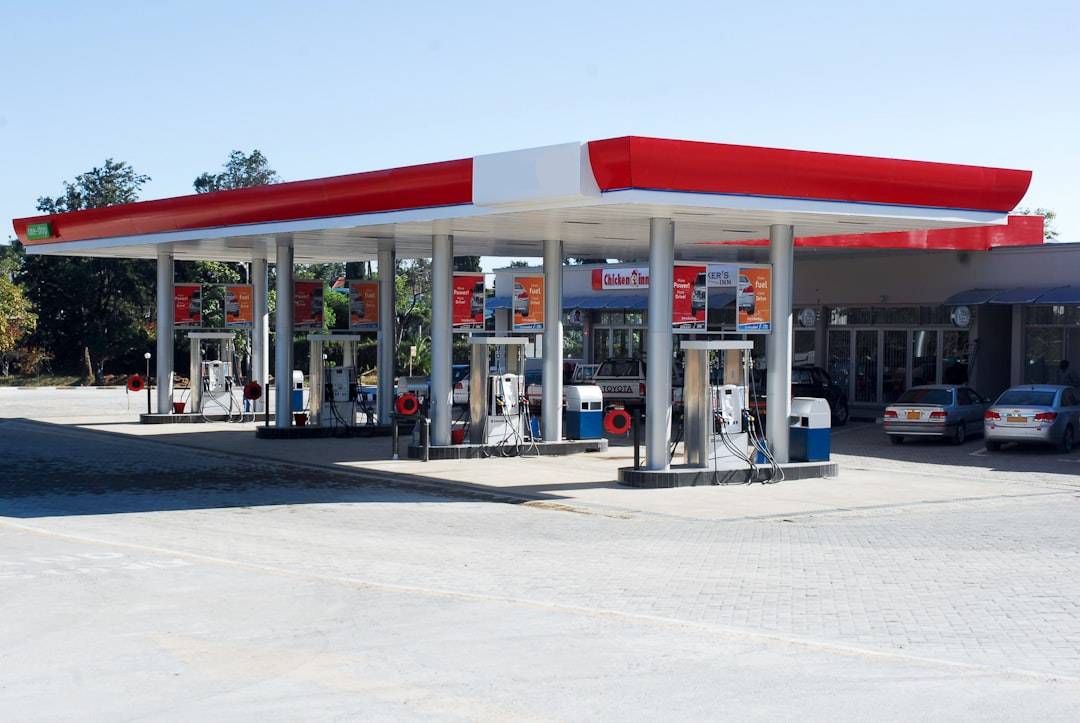
What should fuel station operators do to prepare for the E85 rollout?
Fuel station operators should assess their current infrastructure and identify necessary upgrades to support E85 fuel. They should also engage in consumer education initiatives to inform customers about the benefits and usage of E85.