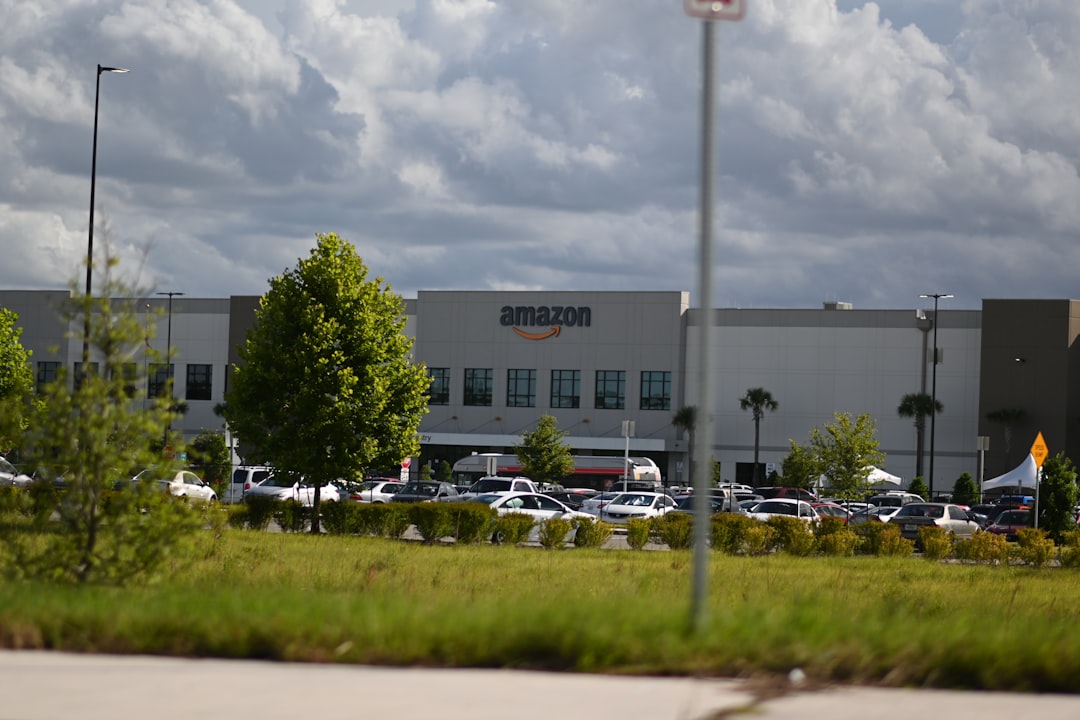
Seattle, USA — Amazon employees may lose their jobs for speaking out about data centers. Three software engineers testified at a Seattle City Council hearing on June 10, 2026. They supported a moratorium on large-scale data centers. After their testimony, Amazon’s HR department called them in for meetings. They were told an investigation into their actions could lead to disciplinary measures, including termination.
This situation raises serious concerns about job security for employees who engage in activism, especially on environmental issues. The engineers are part of Amazon Employees for Climate Justice (AECJ). They believe their rights to speak on political matters should be protected by local laws against discrimination based on political beliefs. Their case shows the conflict between corporate policies and employee rights in the tech industry. According to a report by The Verge, their actions have sparked a wider discussion about corporate governance and personal beliefs.
Impact on Job Security for Advocating Employees
The three Amazon engineers — Patrick Schloesser, Darius Irani, and Liesl Wigand — fear they might lose their jobs due to their activism. They participated in the hearing to advocate for regulations on data centers. These centers have been criticized for their environmental impact, such as high energy use and local resource depletion. After their testimony, HR representatives questioned them about their statements and hinted at possible consequences. This response from Amazon reflects a troubling trend of companies retaliating against employees who express dissenting opinions or push for environmental reforms.
Career Ahead’s analysis shows that this incident highlights a growing trend of corporate retaliation against employees who engage in political advocacy. As tech companies like Amazon face more scrutiny over their environmental practices, employees advocating for change may find themselves in risky positions. The fear of termination for speaking out can create a chilling effect, making other workers hesitant to voice their opinions on important issues. Bing News reported that the engineers’ fears are heightened by Amazon’s history of suppressing employee dissent. This raises concerns about the company’s commitment to an inclusive workplace where diverse opinions can be shared without fear of retaliation.
The legal implications of this situation are significant. Seattle has laws that protect employees from discrimination based on political beliefs, which the engineers claim Amazon is violating. They have filed a complaint with the Seattle Office for Civil Rights, seeking an investigation into their treatment. This case could set a precedent for how companies manage employee activism, especially in areas with strong labor protections. The outcome may impact not only the involved employees but also reshape corporate policies across the tech industry, forcing companies to rethink their stance on employee advocacy.
The fear of termination for speaking out can create a chilling effect, making other workers hesitant to voice their opinions on important issues.
U.S. stocks rose following a weak jobs report that tempered expectations for Federal Reserve interest rate hikes. This shift in market sentiment is crucial for…
Moreover, the fallout from this incident could go beyond the individual employees involved. If Amazon is found to have violated local laws, it could face legal consequences that might change its corporate policies on employee advocacy. This scenario highlights the importance of understanding the legal frameworks that protect workers’ rights, especially regarding environmental activism. As noted by BBC News, the implications of this case could resonate throughout the tech sector, prompting other companies to reevaluate their policies on employee engagement and activism.
Changes in Company Culture Regarding Employee Activism
Amazon’s response to its employees’ activism reflects a broader corporate culture that often prioritizes control over open dialogue. A company spokesperson stated that while employees can discuss their work environment, they must follow corporate policies on public representation. This stance raises questions about how much companies allow employees to express their views without fear of retaliation. The tension between corporate interests and employee rights is becoming more pronounced as workers demand accountability from their employers.
In recent years, many tech companies have faced backlash for how they treat outspoken employees. High-profile cases of employee activism have led to increased scrutiny of corporate practices and policies. As employees speak out more about climate change and other social issues, companies may need to rethink their approaches to employee engagement and activism. The growing movement for corporate responsibility is pushing companies to consider their impact on society and the environment, not just their profits.
Career Ahead research shows that the current climate of fear among employees can hinder innovation and collaboration. When workers feel threatened for expressing their opinions, it stifles creativity and leads to disengagement. Companies that create an environment where employees can safely voice their concerns are likely to see higher morale and productivity. As noted by BBC News, organizations that embrace employee activism can improve their reputation and attract top talent, contributing to a more sustainable business model.
The implications for the tech industry are significant. As more workers advocate for responsible corporate practices, companies that do not adapt may face higher turnover and challenges in attracting talent. A culture that supports employee activism could enhance a company’s reputation and contribute to a sustainable business model. The ongoing debate about data centers and their environmental impact will likely continue, especially as cities deal with the implications of large-scale tech infrastructure. Employees advocating for sustainable practices could play a key role in shaping corporate policies, but they must navigate the complexities of workplace rights and legal protections.
Anup Bagchi, with over three decades in financial services, is set to lead HDFC Bank starting October 27, 2026, following the retirement of Sashidhar Jagdishan.
Employees advocating for sustainable practices could play a key role in shaping corporate policies, but they must navigate the complexities of workplace rights and legal protections.
The situation at Amazon serves as a crucial reminder of the challenges faced by employees who want to advocate for change. As the tech industry evolves, the balance between corporate interests and employee rights will remain a critical issue. The outcome of the legal complaint filed by the Amazon engineers could set an important precedent for how companies respond to employee activism in the future. As more workers seek to engage in environmental advocacy, the legal protections available to them will likely be tested, shaping the future of workplace rights in the tech sector.
Frequently Asked Questions
What should Amazon data center engineers do if they face termination for activism?
If Amazon data center engineers face termination for activism, they should document all communications with HR and seek legal advice. Knowing local laws about employee rights can help guide their next steps.
How can Amazon employees in environmental policy protect themselves from retaliation?
Amazon employees in environmental policy can protect themselves by learning about legal protections in their area. Joining employee advocacy groups can also provide support and resources for dealing with potential retaliation.
What are the legal protections for employees advocating for environmental changes?
Legal protections for employees advocating for environmental changes vary by location. In Seattle, for example, laws prohibit discrimination based on political beliefs, giving employees a framework to engage in activism without fear of retaliation.




News

News