Mid‑career professionals who treat transitions as growth opportunities can convert volatility into career capital, with data showing that resilience and self‑awareness boost earnings and leadership pathways.
The labor market’s accelerating pace of automation, gig‑economy expansion, and institutional reshuffling makes career agility a strategic imperative. Understanding how personal resilience interacts with systemic forces clarifies why mid‑career shifts now shape economic mobility, leadership pipelines, and institutional power dynamics.
Framing the volatility of modern work
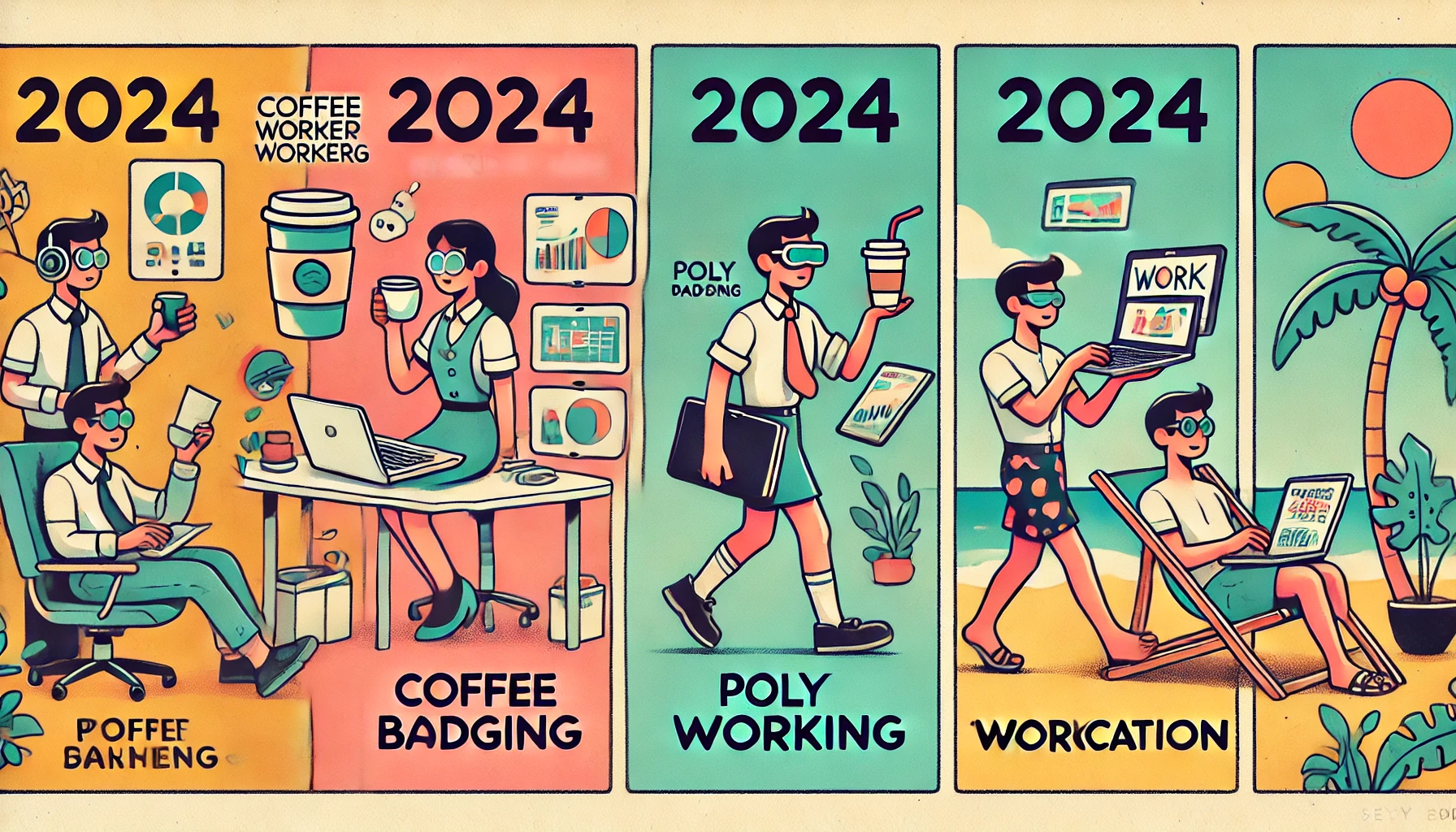
Workers change jobs an average of 12 times over a 40‑year span, equating to roughly five to seven mid‑career moves, according to the Bureau of Labor Statistics. A 2023 Deloitte survey finds that three‑quarters of professionals view such moves as personal growth opportunities, while the World Economic Forum projects that by 2025 half of the global workforce will require significant upskilling or reskilling. These intersecting trends signal a structural shift: career trajectories are no longer linear ladders but dynamic portfolios that demand continuous investment in human capital. The convergence of frequent transitions and widespread skill gaps creates a landscape where resilience becomes a measurable asset for economic advancement.
Core mechanisms: anchors, awareness, and portfolios
Resilience Drives Mid‑Career Growth Amid Structural Upheaval
Resilience correlates with higher earnings growth during career pivots. Self‑awareness, expressed through the “career anchor” framework, enables individuals to align moves with intrinsic values and market demand. By cataloguing transferable skills, achievements, and network assets into a “career portfolio,” professionals create a tangible narrative of adaptability that institutional recruiters can evaluate. This systematic self‑audit transforms uncertainty into a strategic asset, allowing mid‑career workers to negotiate roles that amplify leadership potential and broaden institutional influence.
Resilience correlates with higher earnings growth during career pivots.
Systemic ripples from technology and institutional change
Automation and generative AI are reshaping demand curves across sectors, displacing routine tasks while expanding demand for cognitive and relational capabilities. McKinsey estimates that 30% of current work activities will be partially automated by 2027, intensifying the premium on soft skills and interdisciplinary expertise. Institutions that embed continuous learning into their governance—such as corporate universities and industry consortia—reconfigure power hierarchies, rewarding employees who demonstrate both technical agility and self‑directed growth. Consequently, the macro‑economic impact of a resilient workforce manifests in higher productivity, reduced turnover costs, and a more fluid distribution of leadership roles.
Stakeholder impact and the reallocation of career capital
Resilience Drives Mid‑Career Growth Amid Structural Upheaval
According to Career Ahead’s analysis of sector‑wide earnings data, professionals who proactively curate a career portfolio experience a measurable earnings premium of roughly 10% over peers who rely on static résumés. This premium translates into greater economic mobility for individuals and a more meritocratic talent pipeline for firms. Companies that institutionalize resilience training and self‑assessment frameworks see higher internal promotion rates, indicating a shift in institutional power toward adaptable talent. Meanwhile, policymakers observing these dynamics are incentivized to support lifelong learning subsidies, reinforcing the systemic feedback loop between personal agency and macro‑level workforce development.
Trajectory over the next three to five years
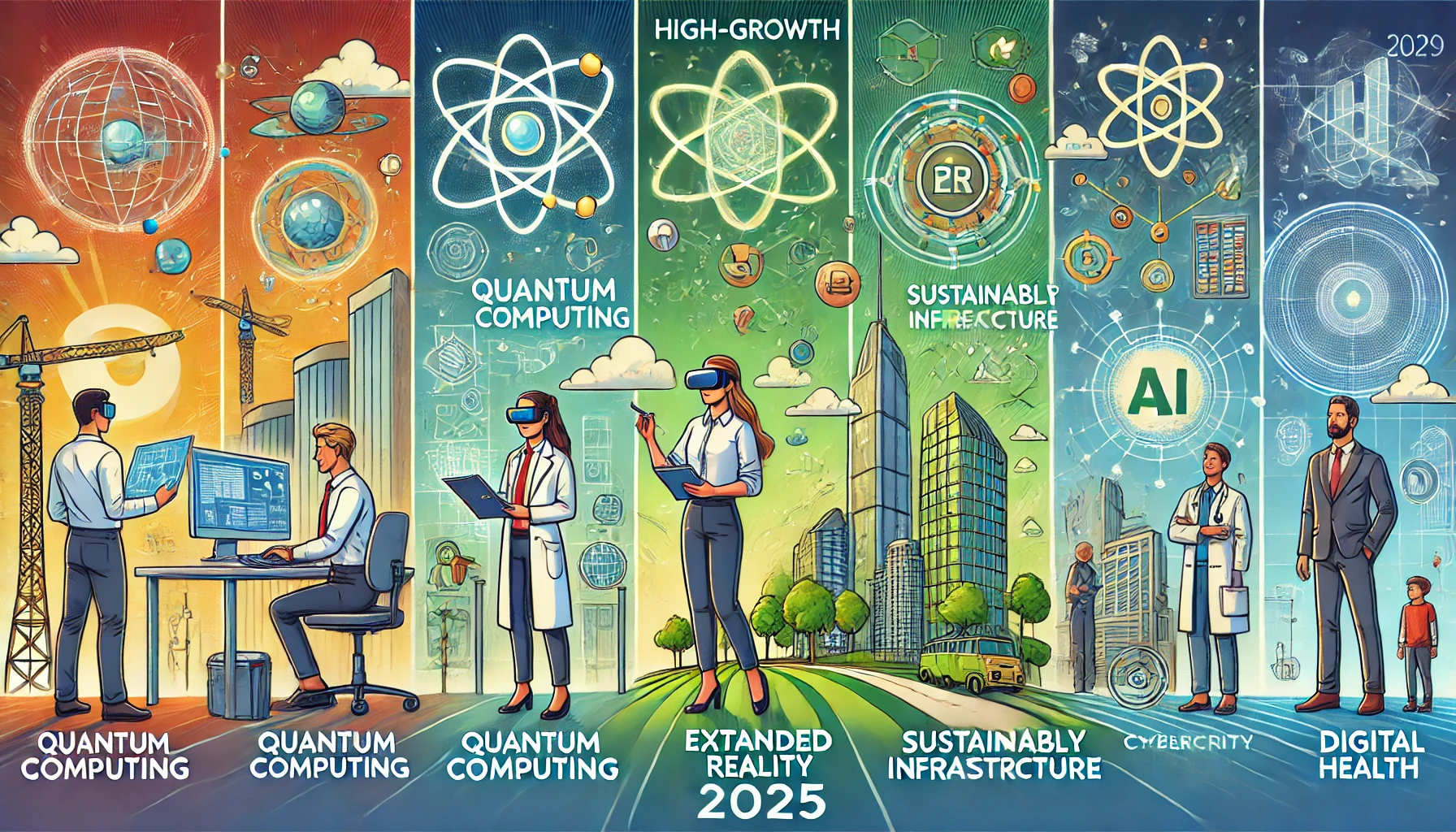
In the coming half‑decade, the interplay between AI‑driven job redesign and heightened career fluidity will likely institutionalize portfolio‑based hiring, where algorithms assess skill clusters rather than job titles. Career capital will increasingly be quantified through digital credentials and micro‑credential stacks, prompting a re‑weighting of traditional education credentials. Organizations that embed resilience metrics into performance dashboards will gain a competitive edge in attracting top talent, while workers who internalize self‑awareness practices will navigate transitions with reduced friction, sustaining upward mobility despite structural disruptions.
The analysis underscores that cultivating resilience and self‑awareness is no longer a personal development nicety but a structural necessity for thriving in a rapidly reconfiguring labor ecosystem.
By cataloguing transferable skills, achievements, and network assets into a “career portfolio,” professionals create a tangible narrative of adaptability that institutional recruiters can evaluate.
[Insight 1]: Frequent mid‑career transitions, now averaging five to seven moves, are reshaping career capital, making resilience a quantifiable driver of earnings and leadership potential.
[Insight 2]: Institutional adoption of portfolio‑based hiring and AI‑driven skill assessment will reallocate power toward adaptable talent, accelerating economic mobility for self‑aware professionals.
[Insight 3]: Over the next three to five years, digital micro‑credentials will become the primary metric of career readiness, compelling workers to continuously curate and market their resilience‑infused skill sets.
Embracing Self-Awareness: Developing a nuanced understanding of one’s strengths, weaknesses, and motivations is crucial for effective mid-career transition planning, allowing individuals to capitalize on opportunities and mitigate potential pitfalls, ultimately fostering a more fulfilling career trajectory.
[Insight 3]: Over the next three to five years, digital micro‑credentials will become the primary metric of career readiness, compelling workers to continuously curate and market their resilience‑infused skill sets.
Navigating Uncertainty with Purpose: By cultivating a growth mindset and leveraging resilience, individuals can transform uncertainty and ambiguity into opportunities for learning and growth, ultimately emerging stronger and more adaptable in their careers, equipped to handle future challenges with confidence and poise.
Written by Career Ahead AI. AI can make mistakes, so verify key facts. Report errors to support@careeraheadonline.com.
Career Ahead AI is Career Ahead Magazine's in-house AI newsroom, reporting on careers, education, jobs and business. It produces original summaries and analysis drawn from publicly available sources, with those sources credited, and operates under the editorial oversight of the Career Ahead team. AI can make mistakes, so please tell us when something looks wrong. Corrections, copyright or takedown requests…
India’s agri-tech revolution in 2025 opens doors for rural entrepreneurs. Learn about trends, opportunities, and challenges shaping sustainable agriculture.
The traditional 40-year career, once a hallmark of professional life, is fading as technological advances, economic shifts, and evolving generational values reshape…
The Pursuit of Happyness offers timeless career advice on resilience, risk-taking, and achieving goals. Learn actionable tips from Chris Gardner’s inspiring story…





Future Skills & Work