No products in the cart.

Android Auto’s Universal Design Revolution
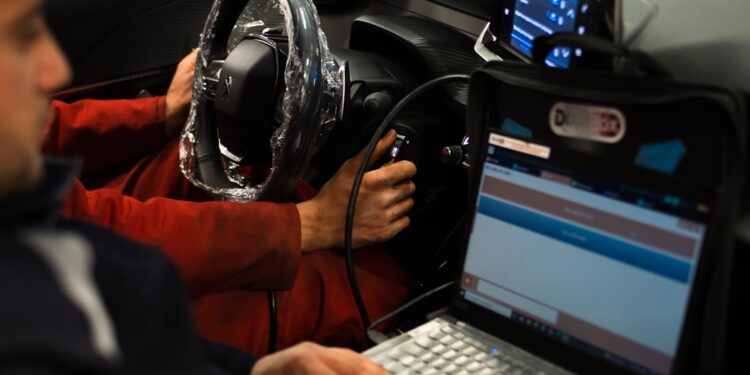
Android Auto's latest updates introduce a universal design that adapts to various screen shapes, enhancing user experience and accessibility in vehicles.

Revolutionizing In-Car Technology
In the rapidly evolving world of automotive technology, the latest updates to Android Auto signal a significant shift. Google has introduced a universal design that adapts to various screen shapes and sizes, moving beyond the traditional rectangular display. This change reflects a deeper understanding of consumer needs and the diversity of modern vehicles. With more cars featuring unconventional displays, this update aims to provide a seamless user experience.
Historically, in-car technology has struggled with compatibility issues. Drivers often faced frustration with interfaces that didn’t fit their vehicle’s unique screen shape. This new approach allows Android Auto to function effectively across curved, panoramic, and even circular displays. By standardizing the user interface, Google is making in-car technology more accessible and user-friendly.
This shift is crucial as the automotive industry embraces digital transformation. As cars become more connected, the demand for intuitive interfaces has grown. This update positions Android Auto as a leader in the market, setting a new standard for how drivers interact with their vehicles.
Flexibility Meets Functionality
The core idea behind the redesign of Android Auto is flexibility. The new interface allows for a consistent experience, regardless of the screen’s shape or size. This adaptability is vital as manufacturers experiment with new display technologies. The goal is to ensure that all drivers can access the features they need without compromising usability.
Moreover, this update includes enhancements such as video streaming through YouTube and widget support. These features cater to a growing demand for entertainment and information while on the road. With the rise of electric and autonomous vehicles, drivers are looking for more engaging experiences during their commutes. By integrating these capabilities, Android Auto is not just keeping pace but is leading the charge in automotive innovation.
This growth is driven by advancements in technology and consumer demand for smarter vehicles.
Market Impact and User Experience
The impact of Android Auto’s redesign can be seen in market data. A report from Statista indicates that the global connected car market is expected to reach $215 billion by 2025. This growth is driven by advancements in technology and consumer demand for smarter vehicles. As Android Auto adapts to various screens, it positions itself to capture a significant share of this expanding market.
You may also like
 Entrepreneurship & Business
Meet the eight startups pitching
Australia's Startup Battlefield showcases eight innovative startups vying for investment opportunities in AI, health tech, and workforce management, reflecting a growing tech ecosystem poised for…
Read More →Furthermore, the automotive sector is increasingly focusing on user experience. The integration of AI features, such as Gemini, enhances the interaction between the driver and the vehicle. This technology allows users to ask questions specific to their driving context, making the experience more interactive and informative.
Industry Concerns and Challenges
Despite the positive reception of Android Auto’s updates, there are ongoing debates within the industry. Some critics argue that the focus on entertainment features may distract drivers, potentially compromising safety. The National Highway Traffic Safety Administration (NHTSA) has raised concerns about in-car distractions, emphasizing the need for balance between functionality and safety.
Moreover, there is a question of whether all manufacturers will adopt the new interface. While Google aims for universal compatibility, not all car makers may be willing to integrate the updated system. This divide could lead to a fragmented user experience, where some drivers benefit from the enhancements while others do not.
Additionally, the rapid pace of technological advancement raises questions about longevity. As new features are introduced, will older vehicles be left behind? This concern could lead to a digital divide, where only newer models fully leverage the capabilities of Android Auto, potentially alienating drivers of older vehicles.
The National Highway Traffic Safety Administration (NHTSA) has raised concerns about in-car distractions, emphasizing the need for balance between functionality and safety.
Future Prospects in Automotive Technology
The future of Android Auto appears promising as automakers increasingly embrace digital transformation. The demand for adaptable interfaces is likely to grow, and Google’s commitment to enhancing user experience positions Android Auto as a frontrunner in this space.
However, the company must navigate challenges related to safety and compatibility. Ensuring that the system remains user-friendly while minimizing distractions will be critical. The integration of AI and machine learning technologies will likely play a significant role in the evolution of Android Auto, enabling even more personalized experiences for drivers.
You may also like
 Entrepreneurship & Business
Four Top Google A.I. Researchers Form New Start
The formation of a new AI startup by four top Google researchers, led by Jeff Dean, signifies a pivotal moment in the artificial intelligence landscape,…
Read More →
As the automotive landscape continues to change, the updates to Android Auto signify a transformative moment in the industry, prioritizing flexibility and user experience to set the stage for a new era of in-car technology.