No products in the cart.

Uber Stock Dips Amid $10 Billion Robotaxi Expansion

Uber's $10 billion investment in robotaxis raises concerns about profitability while highlighting the growing demand for specialized skills in autonomous vehicle technology and urban infrastructure planning.

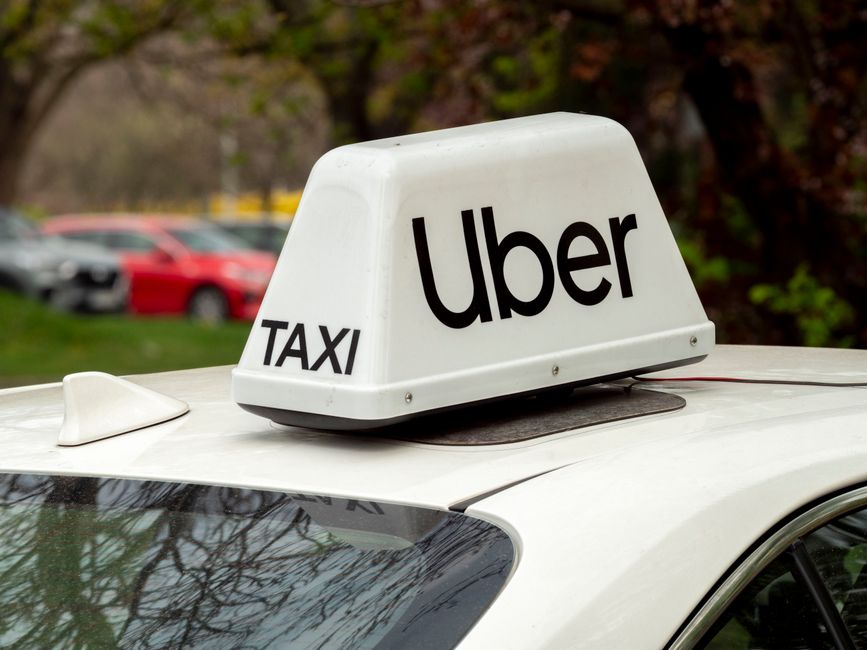
Uber shares dropped 4.8% after the company announced a $10 billion investment in robotaxis. This investment targets operations in 15 cities. The move aims to boost Uber’s autonomous vehicle capabilities and strengthen ties with self-driving technology firms. According to a report from Hindustan Times, the stock decline shows market doubts about the quick profitability of such a large investment.
Uber’s decision to invest heavily in robotaxis comes as it aims to use its customer base of over 200 million users. By connecting riders with robotaxi operators, Uber sees a big chance to grow in the autonomous vehicle market. This investment is not just about technology; it could change how urban transportation is structured in the future.
Growing Demand for Specialized Skills in Autonomous Vehicle Technology
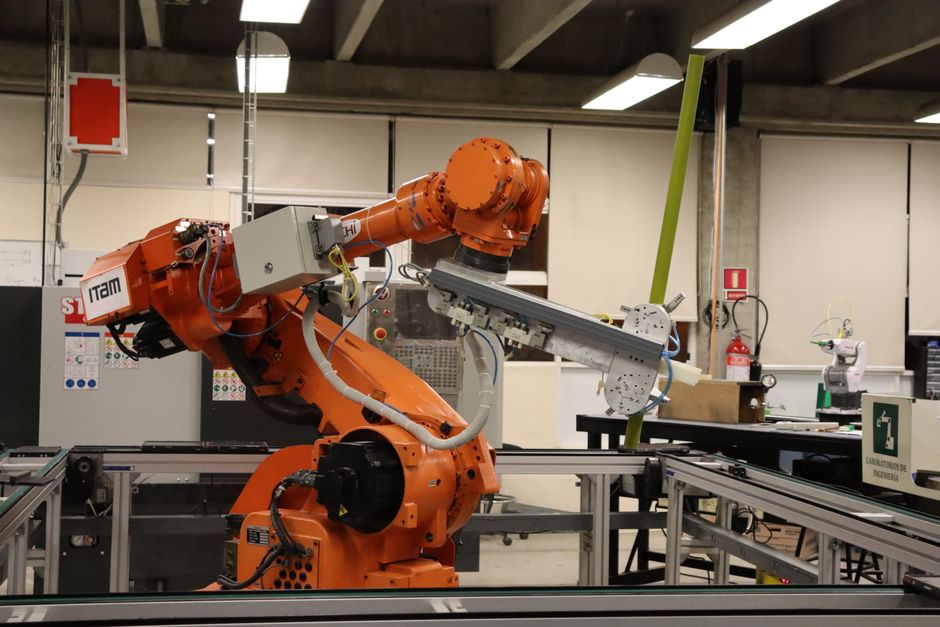
Career Ahead analysis shows that Uber’s big investment in robotaxis signals a rising need for specialized skills in autonomous vehicle technology. As Uber partners with firms like Waymo, Zoox, and Rivian, engineers with skills in AI and machine learning will be in high demand. Working with these tech leaders is expected to speed up the development of safer and more efficient autonomous systems.
As the focus shifts to robotaxis, engineers must adapt their skills. They will need to learn not only traditional automotive engineering but also software development and data analysis. This change reflects a broader trend where skills in AI and machine learning are becoming essential for career growth. A recent article from Ridester notes that advanced algorithms in vehicles will require engineers to understand both hardware and software.
As Uber plans to launch robotaxi services in many cities, the need for engineers who can integrate these vehicles into urban infrastructures will grow. This will require teamwork between autonomous vehicle engineers and urban planners. They must ensure that the technology fits city layouts and transportation needs. Engineers will need to consider traffic patterns, pedestrian safety, and environmental impact when designing these systems.
This change reflects a broader trend where skills in AI and machine learning are becoming essential for career growth.
You may also like
 Industry & Global Trends
German Economy Might Grow 1% This Year, Bundesbank Chief Says
Understanding this growth projection is essential for those monitoring economic trends and investment opportunities. The anticipated growth is expected to be supported by a rebound…
Read More →Data collection and analysis will also be crucial. Uber’s strategy includes using sensor-equipped vehicles to gather data that will improve its autonomous driving algorithms. Engineers skilled in data science will be vital in interpreting this data to enhance safety and efficiency. Analyzing real-time data will not only boost robotaxi performance but also guide future urban planning efforts.
As a result, educational institutions and training programs must evolve to prepare the next generation of engineers. Curricula that focus on AI, machine learning, and data analytics will be key to meeting industry demands. Universities and technical schools may need to partner with industry leaders to ensure their programs align with workforce needs.
Impact on Urban Infrastructure Planning
The introduction of robotaxis will require major changes in urban infrastructure planning. As Uber expands its robotaxi services, urban planners must rethink transportation networks to accommodate these vehicles. This includes creating dedicated pick-up and drop-off zones, adjusting traffic signals, and ensuring safe navigation routes. Integrating robotaxis into public transit could create a smoother travel experience and reduce reliance on personal vehicles.
Career Ahead’s analysis suggests urban planners will increasingly work with tech companies like Uber to develop smart city initiatives. These partnerships could lead to more efficient transportation solutions that cut congestion and improve accessibility. As cities aim for sustainability, robotaxis could help lower carbon emissions and promote shared mobility.
Moreover, deploying robotaxis may influence zoning laws and land use policies. Cities might need to rethink regulations around parking and vehicle storage as autonomous vehicles become more common. Planners will face challenges while considering the environmental impacts of increased vehicle use. The shift toward robotaxis could also spark discussions about public transportation funding, as cities may need to allocate resources differently to support these new technologies.
Career Ahead’s analysis suggests urban planners will increasingly work with tech companies like Uber to develop smart city initiatives.

Additionally, the rise of robotaxis could change how the public views transportation. As consumers get used to autonomous rides, planners may need to advocate for changes in public transit funding and infrastructure investment. Gaining public acceptance of robotaxis will be vital for their success. Urban planners must engage with communities to address concerns and highlight the benefits of this technology.
You may also like
 Industry & Global Trends
U.S. Hiring Slows Amid Labor Market Shift
This slowdown comes at a critical moment as inflation continues to exert pressure on wages and hiring practices.
Read More →In this changing landscape, urban planners who understand technology and its impact on city design will have a strong advantage. Their ability to integrate autonomous vehicles into urban areas will be critical for the success of these initiatives. As cities adapt to the rise of robotaxis, urban planners will play a key role in ensuring these systems work efficiently and safely within the existing urban environment.
In summary, the landscape for autonomous vehicle engineers and urban planners will change dramatically as Uber moves forward with its robotaxi plans. The demand for specialized skills, collaboration in urban design, and active engagement in regulatory discussions will shape the future of these professions. As Uber’s robotaxi initiative unfolds, the balance between innovation and regulation will be crucial for the future of urban transportation. The developments in the coming months will be key in determining the direction of the industry and the careers of those involved.
Frequently Asked Questions
What skills do autonomous vehicle engineers need to adapt to Uber’s robotaxi plans?
Engineers must enhance their skills in AI, machine learning, and data analysis to meet the demands of Uber’s robotaxi initiatives. Proficiency in software development and knowledge of autonomous vehicle systems will also be crucial.
Engaging with industry developments and regulatory changes will also be important for career growth.
How will urban planners need to adjust their strategies with the rise of robotaxis?
Urban planners must rethink transportation networks to accommodate robotaxis, including creating dedicated zones and modifying existing infrastructure. Collaboration with technology companies will be essential for integrating autonomous vehicles into public transit systems.
What should autonomous vehicle engineers do about the increasing investment in robotaxi technology?
Engineers should focus on upskilling in areas such as AI and data science to stay competitive in the evolving job market. Engaging with industry developments and regulatory changes will also be important for career growth.
You may also like
 Industry & Global Trends
Divergent Targets Faster, Cheaper Defense Production
Divergent Technologies is set to revolutionize defense manufacturing through advanced technologies like 3D printing, aiming to enhance efficiency and reduce costs.
Read More →