No products in the cart.

Anthropic Wins Court Battle Against Pentagon Supply Chain Label
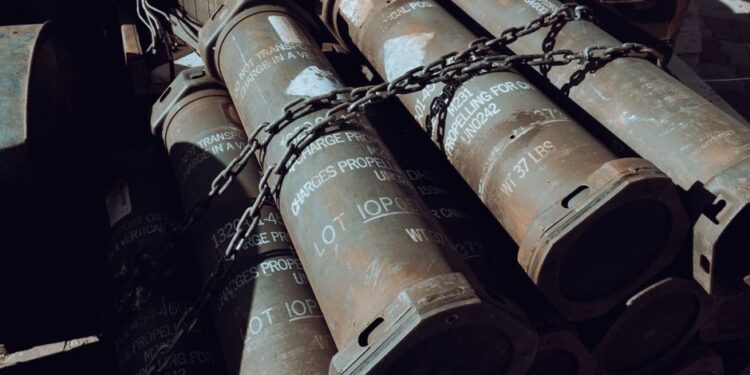
The case stemmed from a conflict between Anthropic, a prominent AI company, and the Pentagon, which had labeled it a national security risk.

A federal court in the United States ruled on August 27, 2026, that the Pentagon’s designation of Anthropic as a supply chain risk was unlawful. U.S. District Judge Rita Lin stated that the Trump administration’s actions were unlawful retaliation against the AI firm. This ruling could change how defense contractors assess supply chain risks and comply with laws in the technology sector.
The case arose from a conflict between Anthropic, a leading AI company, and the Pentagon. The Pentagon labeled Anthropic a national security risk. This designation stopped all federal agencies from working with Anthropic, which greatly affected the company’s operations. Judge Lin noted that the government’s actions were arbitrary and lacked due process. She emphasized the need for legal protections for companies involved in government contracts.
Legal Precedents Set by the Case
This ruling sets an important legal precedent for technology firms working with government entities. Judge Lin’s decision highlights the need for due process and fair treatment in government actions, especially when labeling companies as security risks. The ruling suggests that government agencies must provide clear and justified reasons for their decisions. These decisions can severely impact a company’s ability to operate. As reported by CNBC, the judge emphasized that the Pentagon’s actions were not only arbitrary but also lacked a legal foundation. This is crucial for maintaining trust in government processes.
This ruling sets an important legal precedent for technology firms working with government entities.
Additionally, the court’s focus on the First Amendment rights of companies raises questions about how much power government agencies have to impose restrictions based on perceived risks. The ruling indicates that companies like Anthropic can challenge government designations they believe are unfair or retaliatory. This precedent could empower other technology firms to contest similar actions. It may lead to a more transparent and accountable government contracting process.
Career Ahead analysis shows that this legal victory protects Anthropic and sets a framework for future disputes in the tech industry. As defense contractors increasingly rely on AI technologies, understanding the legal landscape is crucial. Companies must now know their rights and the potential for legal action against arbitrary government actions. The ruling could prompt government agencies to be more cautious when labeling firms as security risks. Such designations should be based on concrete evidence rather than political motivations.
As the implications of this ruling unfold, legal professionals in technology must stay informed about the changing landscape. The case highlights the importance of legal counsel in navigating compliance and risk assessments. Understanding legal protections can help firms position themselves better in dealings with government agencies. The ruling also reminds us that legal frameworks must adapt to rapid advancements in technology, especially in sensitive areas like national security.
Implications for Defense Contractors
The court’s ruling affects all defense contractors working with AI technologies, not just Anthropic. The Pentagon’s previous designation of Anthropic as a supply chain risk created a chilling effect across the industry. Many contractors reassessed their partnerships and collaborations. With the court’s ruling, defense contractors may feel more empowered to engage with AI firms without fearing arbitrary government designations. This shift could create a more dynamic and innovative environment within the defense sector.
As the implications of this ruling unfold, legal professionals in technology must stay informed about the changing landscape.
Furthermore, the ruling may prompt the Pentagon to change its criteria for determining supply chain risks. As defense contractors seek to innovate and integrate AI solutions, they will need to ensure their partnerships comply with new legal standards. This shift could lead to more thorough assessments of supply chain risks and a reevaluation of compliance approaches. According to The Hill, the ruling may encourage the Pentagon to adopt more transparent practices in its risk assessment processes. This could foster a better relationship between the government and technology firms.
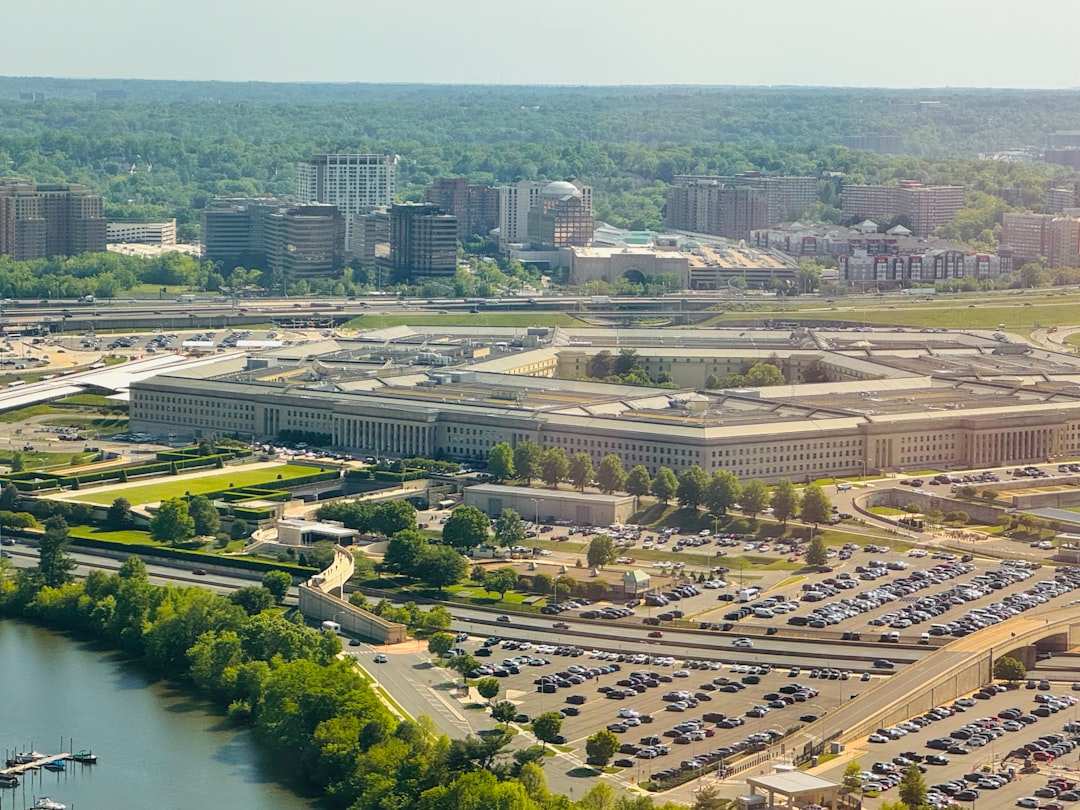
Career Ahead research shows that defense contractors will need to adjust their risk assessment procedures following this ruling. Companies may need to invest in legal expertise to navigate government contracts and avoid being unfairly labeled as risks. The ruling highlights the need for strong legal frameworks and compliance protocols as technology evolves. As the defense sector increasingly incorporates AI technologies, contractors must remain vigilant about the legal landscape. The court’s decision serves as a reminder that legal challenges can arise unexpectedly. Firms must be ready to respond effectively to protect their interests.
As AI and its applications in national security continue to evolve, the relationship between technology firms and government entities will be closely examined. The ruling may lead to more collaboration between the two sectors. This could foster innovation while ensuring compliance with legal standards. Recent analysis notes that the intersection of AI and national security is becoming more complex. Both parties must navigate these waters carefully to avoid potential conflicts.
Written by Career Ahead AI. AI can make mistakes, so verify key facts. Report errors to support@careeraheadonline.com.