

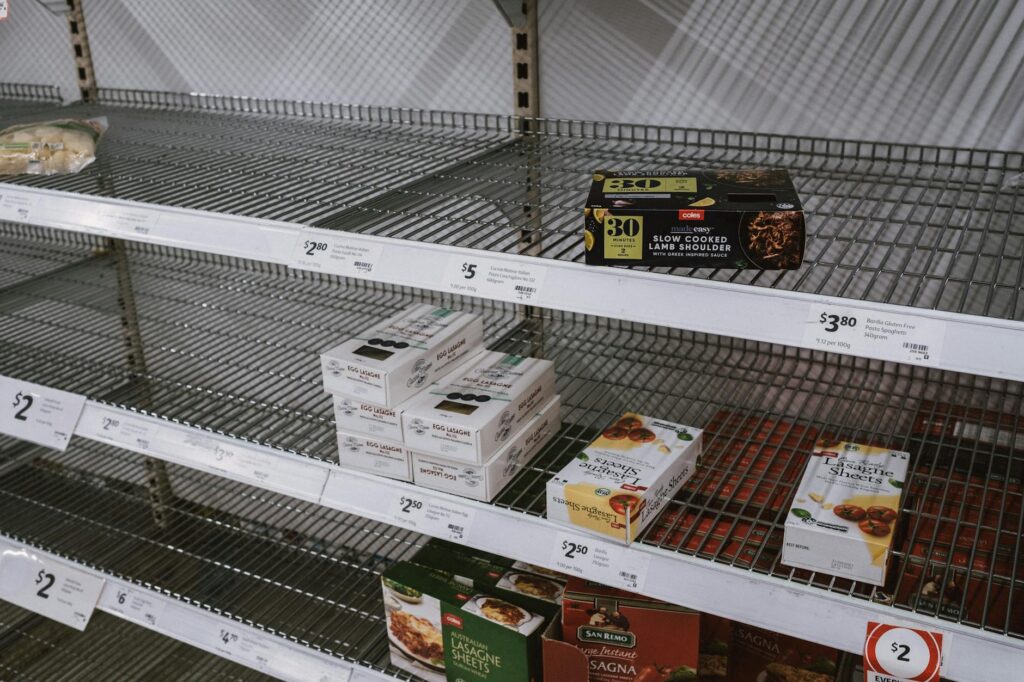
The West Asia conflict has amplified a pandemic‑era fault line: over‑reliance on a narrow API base. The resulting scarcity reshapes career trajectories, capital flows, and institutional authority across the global drug ecosystem.
The Geopolitical Shock to a Pandemic‑Weakened System
Since 2020, the pharmaceutical supply chain has been tested by successive crises—COVID‑19‑driven factory shutdowns, the 2021 Suez Canal blockage, and now the 2023‑24 West Asia war. The conflict has curtailed sea‑lane capacity and imposed export controls on key raw‑material exporters, notably China, Israel, and Saudi Arabia. According to the International Trade Centre, 62 % of the world’s active pharmaceutical ingredients (APIs) and 71 % of key starting materials (KSMs) pass through ports in the region [1].
In the first six months of 2024, the average price of API batches sourced from the Middle East rose 38 % year‑over‑year, while Indian manufacturers reported a 27 % increase in procurement lead times for critical antihypertensive and antidiabetic APIs [1]. The United States Food and Drug Administration (FDA) flagged 112 % more drug shortage notifications in Q2 2024 than in the same period of 2022, with 44 % of alerts tied directly to API scarcity [2].
These metrics reveal a structural shift: the pandemic exposed the fragility of just‑in‑time (JIT) inventory practices, and the West Asia conflict has turned that fragility into a systemic choke point. The resulting prescription‑pill shortages are not isolated incidents but a symptom of an under‑diversified, geopolitically exposed sourcing architecture.
Concentrated Sourcing as the Core Mechanism

India’s generic‑drug sector—accounting for roughly 20 % of global pharmaceutical output and 70 % of U.S. generic consumption—relies on a handful of API hubs. A 2023 Ministry of Commerce audit found that 48 % of all APIs used by Indian firms originated from three countries: China, Israel, and Saudi Arabia [1]. When the West Asia war disrupted maritime logistics and triggered export licensing restrictions, the supply shock propagated through the entire value chain.
Concentrated Sourcing as the Core Mechanism API Turbulence and Pill Shortages: How Post‑Pandemic Supply Chains Reshape Pharmaceutical Power India’s generic‑drug sector—accounting for roughly 20 % of global pharmaceutical output and 70 % of U.S.
Two mechanisms amplified the impact:
- Cost Transmission – API price spikes cascade to finished‑product pricing. A 2024 analysis by the World Bank shows that a 10 % rise in API costs translates into a 3.5 % increase in final drug prices for the U.S. market, compressing profit margins for manufacturers already operating on thin spreads [2].
- Supply‑Side Bottleneck – Limited supplier redundancy means that a single port closure can halt production lines. For example, a leading Indian manufacturer of statins reported a 45‑day halt after its primary API shipment from Israel was delayed, forcing it to idle 12 % of its capacity and trigger a 15 % drop in quarterly output [1].
The lack of diversification is not accidental; it stems from historic regulatory incentives that favored low‑cost sourcing over risk mitigation. The 1992 FDA “generic drug approval” pathway, which emphasized cost‑efficiency, inadvertently encouraged manufacturers to cluster around the cheapest API providers, establishing a structural dependency that persists today.
Systemic Ripples Across Health, Economy, and Governance
Patient Access and Public Health
Shortages translate directly into delayed therapy initiation and medication switching, which are associated with measurable health outcomes. A 2025 scoping review of 3,200 drug shortage incidents found a 12 % increase in hospitalization rates for chronic disease patients during shortage periods, and a 6 % rise in mortality for oncology patients lacking timely chemotherapy agents [2]. The correlation underscores how supply‑chain fragility becomes a determinant of morbidity and mortality at the population level.
Economic Mobility and Regional GDP
Pharmaceutical manufacturing contributes an average of 2.5 % to the GDP of low‑ and middle‑income economies (LMIEs) that host API production facilities. The API price surge has reduced export revenues for India, China, and Pakistan by an estimated $4.3 billion in 2024, curtailing foreign‑exchange earnings that fund public‑sector health programs [1]. Simultaneously, the United States, the world’s largest drug consumer, faces a projected $2.1 billion increase in out‑of‑pocket costs for patients switching to higher‑priced alternatives, eroding disposable income for middle‑class households.
institutional power and Policy Response
The crisis has intensified the role of supranational institutions. The World Health Organization (WHO) convened an emergency “API Resilience Forum” in November 2024, urging member states to adopt “strategic stockpiling” and “dual‑sourcing mandates.” Meanwhile, the European Medicines Agency (EMA) announced a 2025 directive requiring all EU‑based manufacturers to disclose API origin and maintain a minimum of 30 days of safety‑stock for critical ingredients. These policy shifts represent an emergent governance architecture that rebalances power from multinational API exporters toward national regulators and downstream manufacturers.
Leadership Realignment
Corporate leadership is recalibrating priorities. CEOs of the top five generic manufacturers now list “Supply‑Chain Diversification” as a primary strategic pillar in annual reports, allocating an average of 5 % of R&D budgets to develop alternative synthetic routes or biotechnological production of APIs. This reallocation reflects a broader shift in leadership accountability: success is increasingly measured by resilience metrics—lead‑time variance, supplier concentration index—rather than solely by cost‑per‑unit.
This reallocation reflects a broader shift in leadership accountability: success is increasingly measured by resilience metrics—lead‑time variance, supplier concentration index—rather than solely by cost‑per‑unit.
Human Capital and Career Capital in a Restructuring Landscape
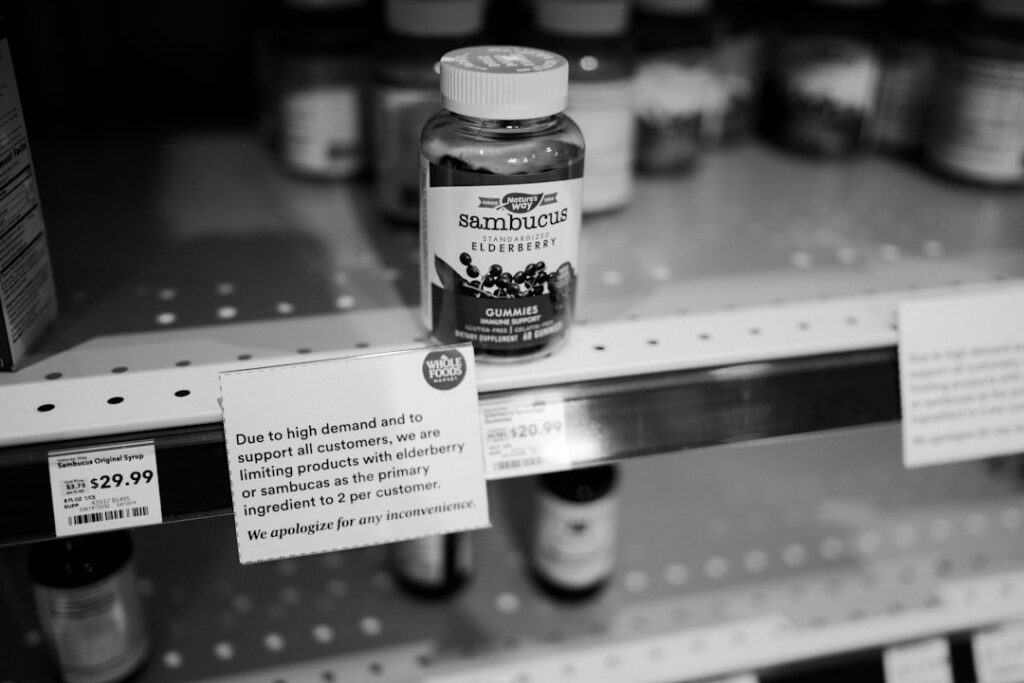
The supply‑chain shock reverberates through the labor market. Professionals in procurement, quality assurance, and regulatory affairs are experiencing heightened demand for expertise in risk analytics and multi‑jurisdictional compliance. According to a 2024 LinkedIn Labor Insights report, job postings for “API Sourcing Analyst” grew 84 % year‑over‑year, with median salaries rising 12 % above the industry baseline.
Conversely, manufacturing line workers at API‑dependent plants face reduced hours as firms scale back production to manage inventory risk. The International Labour Organization estimates that 150,000 workers in India’s API sector may encounter temporary layoffs in 2025 if diversification efforts lag. This dichotomy creates asymmetric career capital: high‑skill, risk‑management roles gain bargaining power, while low‑skill production positions encounter downward mobility.
Capital flows echo this polarization. Venture capital (VC) funding for “API‑independent” biotech startups surged to $3.2 billion in 2024, a 46 % increase from 2022, indicating investor confidence in firms that internalize API synthesis. In contrast, traditional generic manufacturers saw a 22 % dip in equity valuations, reflecting market skepticism about their exposure to supply‑chain volatility. The reallocation of capital underscores a systemic re‑pricing of institutional risk, reshaping the trajectory of pharmaceutical innovation.
Outlook: Structural Adjustments Over the Next Five Years
If the West Asia conflict persists, the pharmaceutical ecosystem will undergo three converging adjustments:
- Geographic Rebalancing – Nations such as Brazil, Vietnam, and Kenya are receiving policy incentives to develop domestic API capacity. The World Bank’s “Pharma Manufacturing Initiative” projects a 15 % increase in non‑Middle‑East API output by 2029, potentially diluting the current concentration.
- Regulatory Realignment – The FDA is piloting a “Supply‑Chain Resilience Scorecard” for drug approvals, integrating supplier diversity metrics into the review process. Manufacturers that meet a threshold of ≤ 25 % supplier concentration for critical APIs will receive expedited review pathways.
- Technological Substitution – Continuous‑flow chemistry and cell‑free synthesis platforms are moving from pilot to commercial scale, promising to reduce reliance on bulk chemical imports. By 2028, analysts estimate that 12 % of U.S. generic drugs will be produced using such “on‑site API” technologies, lowering exposure to external shocks.
Collectively, these trends suggest a gradual decoupling of the global pharmaceutical supply chain from geopolitical fault lines, but the transition will be uneven. Countries with robust R&D ecosystems and capital markets will capture the upside, while regions dependent on low‑cost API imports may experience prolonged economic drag and talent outflows.
Manufacturers that meet a threshold of ≤ 25 % supplier concentration for critical APIs will receive expedited review pathways.
—
Key Structural Insights
- The West Asia conflict amplified a pre‑existing concentration risk, converting cost volatility into systemic shortages that directly affect patient mortality.
- Institutional responses—stockpiling mandates, supplier‑diversity disclosures, and resilience scorecards—are reconfiguring power from API exporters to downstream regulators and manufacturers.
- Over the next five years, diversification, regulatory realignment, and on‑site API technologies will reshape capital flows, privileging firms that embed supply‑chain resilience into their core strategy.
Written by Career Ahead AI. AI can make mistakes, so verify key facts. Report errors to support@careeraheadonline.com.





