No products in the cart.

The Decline of Cover Letters in the AI Era

Explore how AI is transforming job applications, diminishing the role of cover letters, and emphasizing networking and recommendations.

“`html
Cover Letters: An Obsolete Tool in the Age of AI?
In the early 2000s, hiring managers viewed cover letters as a candidate’s first chance to share their story, explain gaps, and align their goals with the company. Today, algorithms quickly analyze these letters, assessing tone and keywords. Judd Kessler, a professor at the Wharton School, states that AI is diminishing the value of cover letters, reducing personal pitches to mere data points.
AI-driven applicant tracking systems (ATS) now serve as gatekeepers for many organizations. These systems scan résumés for qualifications and also analyze cover letters for readability and alignment with job descriptions. Consequently, a well-written paragraph may be overshadowed by a candidate’s online presence, such as LinkedIn endorsements or GitHub contributions.
For job seekers, this shift is clear: the traditional cover letter is becoming less relevant. Writing one may not improve a candidate’s chances, especially when algorithms favor structured data over personal narratives.
The Shift to Networking and Recommendations
Why Human Connections Outpace Algorithms
While AI excels at recognizing patterns, it cannot fully grasp the nuances of professional relationships. Kessler notes that “recommendations, networking, and real-world connections” are becoming more important because they provide context that machines struggle to interpret. A referral from a trusted colleague carries weight that algorithms cannot replicate.
Recruiters now spend much time reviewing social profiles and assessing candidates’ networks. Platforms that aggregate endorsements, like LinkedIn, allow candidates’ reputations to be quantified in ways that withstand AI’s scoring.
Machine learning can identify mutual connections and predict successful referrals based on past hiring patterns.
Moreover, AI tools are being adapted to enhance networking. Machine learning can identify mutual connections and predict successful referrals based on past hiring patterns. Thus, AI is becoming a tool to amplify networking rather than replace it.
You may also like
 AI & Technology
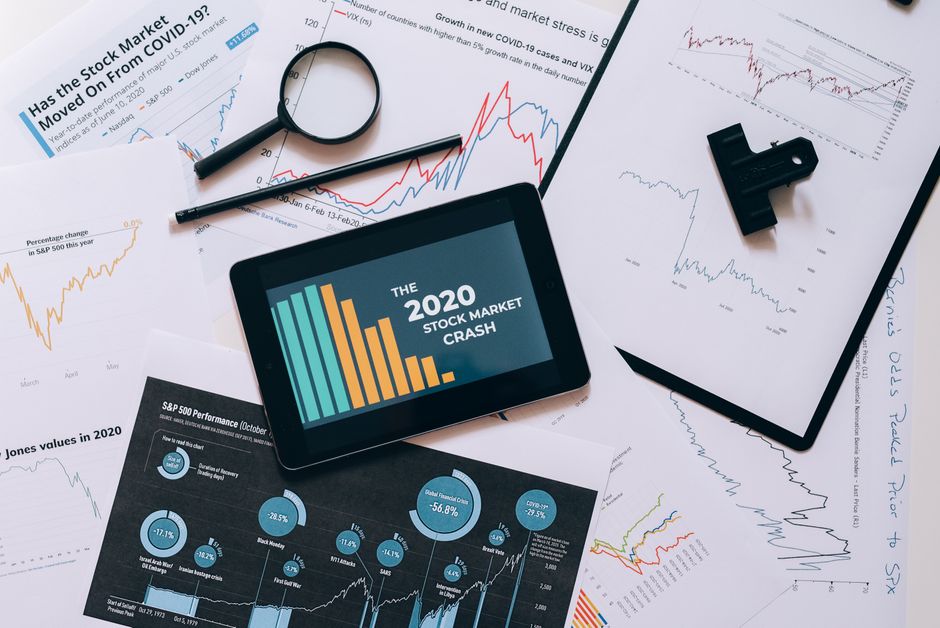
The Powerful Yet Fragile Force Propping Up Stocks and the Economy
AI advancements are reshaping stock market dynamics and investment strategies, presenting both opportunities and challenges for financial professionals.
Read More →Recommendations as Data-Rich Signals
Previously, recommendation letters were static documents often filed away. Now, digital recommendations are dynamic and searchable. Algorithms can analyze the language used, identify themes (like leadership or cultural fit), and assess the credibility of the recommender based on their professional standing.
This change turns simple endorsements into rich data sets. For example, a recommendation from a senior scientist at a leading biotech firm holds more weight than one from a peer with limited experience. Hiring managers are increasingly using these signals to differentiate candidates in technical fields.
What This Means for Job Seekers in Pharmaceuticals
From Lab Bench to Boardroom: The New Hiring Landscape
The pharmaceutical industry has long valued credentials and regulatory compliance. However, AI tools are now reshaping how talent is identified. These tools can analyze scientific publications, track clinical trial involvement, and evaluate collaborative networks during the screening process.
For researchers or regulatory specialists, the most compelling “cover letter” may now be a curated digital presence. This could include a list of co-authored papers linked to a profile showcasing citation impact, a portfolio of patents on a professional website, and endorsements from senior scientists.
Strategic Adaptation for Aspiring Pharma Professionals Job seekers in pharmaceuticals should adjust their application strategies in three key areas:
In this context, networking becomes crucial. Attending industry conferences, contributing to research platforms, and engaging in mentorship programs are essential for visibility. A recommendation from a senior executive at a major pharmaceutical company can open doors that a résumé alone cannot.
Strategic Adaptation for Aspiring Pharma Professionals
Job seekers in pharmaceuticals should adjust their application strategies in three key areas:
- Digital Reputation Management: Build an online profile that showcases publications, patents, and speaking engagements, linking each to verifiable sources for accurate AI assessment.
- Targeted Networking: Connect with key influencers in desired organizations—such as principal investigators or R&D directors—through joint research, webinars, or industry roundtables.
- Structured Recommendations: Seek endorsements that highlight specific skills—like clinical trial design or data analytics—and encourage recommenders to mention concrete achievements.
You may also like
 Industry & Global Trends
What is happening to the Indian IT bench? | Explained
The tightening of bench policies in India's IT sector reflects a significant transformation in workforce management, impacting job security and project allocation.
Read More →By focusing on these areas, candidates can transform the qualities typically conveyed in a cover letter into measurable, AI-friendly assets.
Strategic Perspective: The Long-Term View
AI will not eliminate the human aspect of hiring; it will refine how that aspect is recognized and validated. As AI systems improve, they will likely include deeper sentiment analysis and cross-reference external data. Job seekers must create a multidimensional professional narrative that resonates with both machines and human decision-makers.
The evolution of the cover letter reflects a broader trend: static documents are being replaced by dynamic, data-rich portfolios, while personal connections become the foundation for AI assessments. In pharmaceuticals, where credibility and trust are vital, this shift presents both challenges and opportunities.
Critical Insights
Adaptability is crucial in the AI era. Candidates who see the cover letter as outdated risk being overlooked by systems that prioritize quantifiable signals. Those who build a strong digital presence, foster genuine professional relationships, and obtain targeted recommendations will thrive amid algorithmic changes.
A balanced approach—using algorithms to identify candidates and human networks to validate them—will yield the best hiring results.
For hiring leaders, the lesson is equally significant. Relying solely on AI without valuing human endorsements can lead to missing out on talent beyond the data. A balanced approach—using algorithms to identify candidates and human networks to validate them—will yield the best hiring results.
As AI continues to change the hiring landscape, the cover letter may fade, but the need to tell a compelling professional story remains. The medium may evolve, but the message—demonstrating fit, credibility, and potential—stays the same. Future job seekers will learn to communicate effectively in both human and machine languages, ensuring their stories are heard by all.
You may also like
 AI & Technology
Blackstone’s Jas Khaira Shapes Future AI Giants
At TechCrunch Disrupt 2026, Jas Khaira, global head of Blackstone N1, discussed the evolving landscape of AI investment, emphasizing networking, sustainable practices, and infrastructure development…
Read More →“`