No products in the cart.

Apple’s AI Strategy Excluded from Trump’s Guest List

This absence is notable for several reasons. First, it highlights Apple's unique approach to AI compared to its competitors.

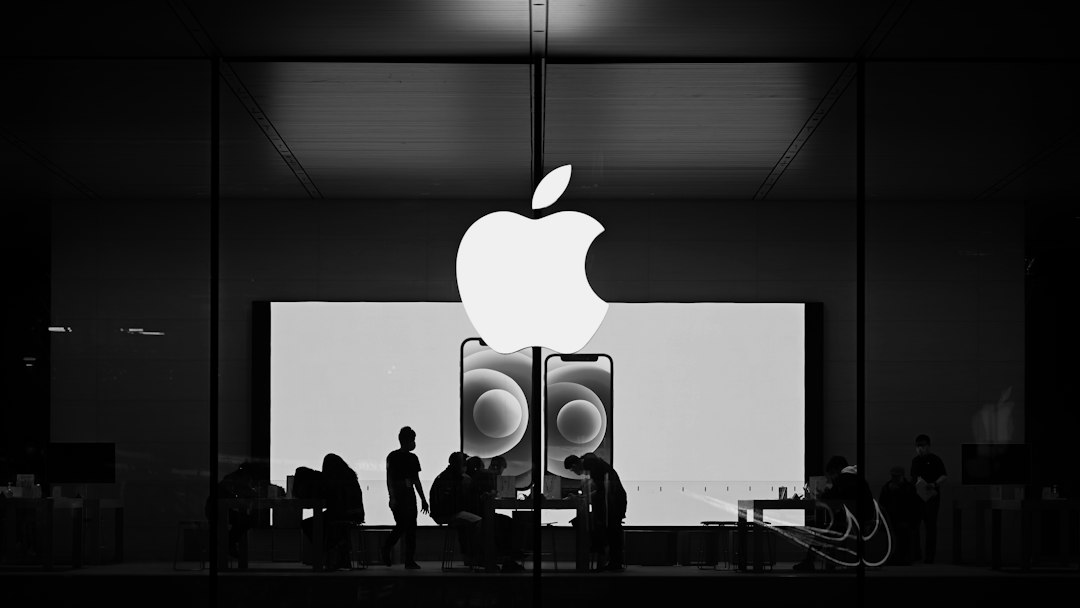
Apple’s absence from a recent AI industry lunch hosted by President Trump has raised eyebrows in the tech sector. The event, held on October 2, 2026, included leaders from companies like NVIDIA, Google, and Microsoft. Apple’s choice not to attend, despite its significant AI investments, suggests a cautious stance on political engagement and regulation in the fast-changing AI landscape.
This absence is notable for several reasons. First, it highlights Apple’s unique approach to AI compared to its competitors. Other tech giants are heavily investing in AI infrastructure and development. In contrast, Apple focuses on integrating AI into its existing products and services. This strategy aligns with Apple’s long-standing philosophy of prioritizing consumer experience over aggressive market positioning. According to a report from Livemint, Apple’s absence from the Trump event is striking given its substantial R&D investments, which reached about $34.5 billion in fiscal 2025. This amount, while impressive, still lags behind the spending of competitors like Google and Microsoft.
Apple’s Strategic Positioning in the AI Landscape
Apple has consistently emphasized its commitment to privacy and user-centric design. This focus may explain its reluctance to engage in high-profile political discussions about AI. The company seems to prioritize the gradual integration of AI technologies into its ecosystem. It focuses on enhancing user experience rather than pursuing aggressive market share through large-scale AI models. This is evident in the advancements made in machine learning capabilities within devices like the iPhone and Mac, which are designed to operate seamlessly for users.
Moreover, Apple’s decision not to attend the meeting could indicate a longer-term trend in how tech companies respond to political dynamics. As AI regulation becomes more pressing, companies may need to reassess their engagement strategies with policymakers. Investopedia notes that firms prioritizing ethical considerations and user privacy in their AI strategies may gain a competitive edge in a landscape defined by regulatory scrutiny. This cautious approach allows Apple to navigate potential regulatory challenges without exposing itself to political risks.
This is evident in the advancements made in machine learning capabilities within devices like the iPhone and Mac, which are designed to operate seamlessly for users.
You may also like
 AI & Technology
Urgent Call for AI Safety Protocols
David Robinson, a safety engineer at OpenAI, resigned on October 2, 2026, calling for nuclear-level safeguards in AI development. His departure has sparked a broader…
Read More →Furthermore, Apple’s absence from Trump’s AI guest list may reflect a strategic decision to avoid aligning too closely with political agendas that could harm its brand image. Tim Cook has stated that Apple prefers to engage in policy discussions that directly intersect with its business interests. This approach allows Apple to focus on innovation while avoiding political entanglements that could distract from its core mission.
As the tech industry grapples with the implications of AI technologies, Apple’s strategy underscores the importance of ethical considerations in corporate decision-making. The company’s reluctance to engage in political discourse may serve as a case study for other firms facing similar challenges. Observing Apple’s approach could provide valuable insights into the future of AI governance and its implications for the workforce.
Implications for Corporate AI Strategies
The implications of Apple’s absence from the Trump meeting extend beyond its own strategy. As major tech players gather to discuss AI, the dynamics of collaboration and competition within the industry are shifting. Companies that actively engage with policymakers may position themselves as leaders in shaping the future of AI regulation. In contrast, companies like Apple may choose a more reserved path. This divergence in strategies could lead to new partnerships and collaborations within the tech industry.
Moreover, the tech industry’s response to political events will likely shape the future of AI development.
For instance, companies that prioritize political engagement may form alliances that enhance their influence over regulatory frameworks. Meanwhile, those that adopt a cautious approach may focus on internal innovation and consumer trust. The tech industry is at a crossroads where ethical considerations and regulatory compliance will play crucial roles in shaping future AI innovations. Companies that proactively address these issues may mitigate risks and enhance their reputations as responsible leaders in the tech space.
You may also like
 AI & Technology
Capcom Envisions AI-Driven Game Development Future
Capcom is preparing for a future where it collaborates with artificial intelligence in game development, marking a significant shift in the industry.
Read More →Moreover, the tech industry’s response to political events will likely shape the future of AI development. Companies that engage in political discourse may gain insights into regulatory trends, allowing them to adapt their strategies. Conversely, firms like Apple that maintain distance from political engagement may need to invest more in understanding the regulatory landscape to navigate potential challenges effectively. As noted by Business Insider, Apple’s strategic positioning may serve as a model for other companies grappling with the complexities of AI regulation and political dynamics.
Ultimately, the decisions made by tech companies today will have lasting impacts on the industry and the professionals within it. As AI continues to permeate various sectors, the need for responsible and ethical practices will become increasingly vital. Looking ahead, the question remains: how will the evolving political landscape influence the strategies of major tech companies in the AI sector? As regulatory pressures mount, companies may need to reassess their priorities and engagement strategies to remain competitive in a complex environment.
In conclusion, Apple’s cautious approach to AI regulation and its decision to abstain from high-profile political discussions reflect a broader trend in the tech industry. As companies navigate the complexities of AI development and regulatory scrutiny, the strategies adopted by major players will likely influence the trajectory of the industry as a whole.
As the landscape evolves, ensuring that projects prioritize user privacy and ethical considerations will be crucial for long-term success.
Frequently Asked Questions
What are the implications of Apple’s AI strategy for corporate researchers?
Career Ahead analysis shows that Apple’s cautious approach to AI regulation could influence corporate researchers to prioritize ethical considerations and user privacy in their projects. As regulatory scrutiny increases, aligning research with these values may enhance credibility and trust.
How should tech policy analysts interpret Apple’s absence from political discussions on AI?
Tech policy analysts should view Apple’s absence as a strategic decision reflecting its focus on consumer-centric innovation rather than political engagement. This approach may signal a broader trend among tech companies prioritizing ethical considerations over political alignment.

What should product managers consider when aligning their AI projects with corporate strategies?
Product managers should consider how their AI projects align with corporate values and regulatory expectations. As the landscape evolves, ensuring that projects prioritize user privacy and ethical considerations will be crucial for long-term success.
You may also like
 AI & Technology
How AI Shopping Agents Are Shaping Brand Marketing Strategies
The emergence of AI shopping agents is prompting brands to rethink their marketing strategies. As these agents become integral to the shopping experience, understanding their…
Read More →