No products in the cart.

Hear how AI can engineer nature’s comeback at TechCrunch Disrupt 2026
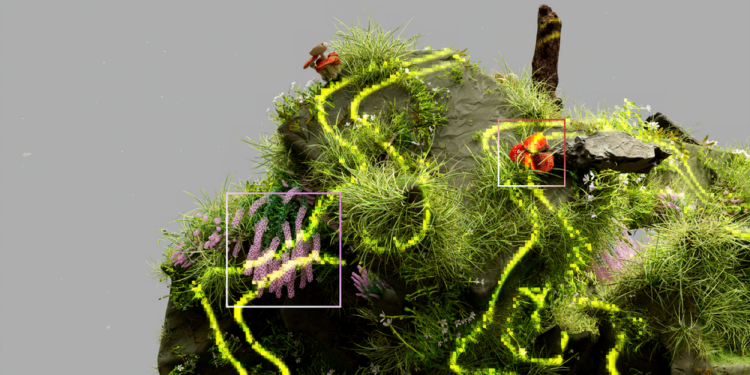
The conversation centered around the groundbreaking potential of AI in analyzing genetic data and modeling biological systems. With advancements in technology, the idea of bringing back extinct species is no longer confined to the realm of science fiction. Instead, it is becoming a reality with the help of AI and synthetic biology.

San Francisco, USA — At TechCrunch Disrupt 2026, industry leaders discussed the role of artificial intelligence (AI) in biodiversity restoration and de-extinction. This important event highlighted how AI is changing conservation efforts and the ethics of reviving extinct species. Keynote speakers included Ben Lamm, CEO of Colossal Biosciences, a leader in using AI and synthetic biology for these challenges.
The conversation focused on AI’s potential to analyze genetic data and model biological systems. Thanks to advancements in technology, the idea of bringing back extinct species is becoming a reality. However, this raises important questions about our responsibilities and the future of biodiversity.
AI Innovations in Biodiversity Restoration
AI is transforming how researchers and conservationists approach biodiversity restoration. By employing machine learning algorithms, scientists can analyze vast amounts of genetic data to identify species that might be good candidates for de-extinction. For instance, Colossal Biosciences uses AI to assess the genetic viability of species like the woolly mammoth and explore how these animals could fit into modern ecosystems.
This process involves genetic reconstruction and understanding the ecological niches these species once occupied, which is crucial for their successful reintegration. Additionally, AI technologies assist in monitoring and managing existing ecosystems. Drones and satellite imagery enable AI to track wildlife populations, assess habitat conditions, and predict environmental changes.
This data-driven approach helps conservationists make informed decisions about resource allocation and species prioritization. AI enhances predictive modeling, allowing scientists to simulate various scenarios and their potential impacts on ecosystems.
These collaborations combine technological expertise with ecological knowledge to develop effective solutions for biodiversity challenges.
Integrating AI into conservation strategies boosts restoration project efficiency and attracts significant investment in climate tech startups. As more companies recognize AI’s potential for environmental sustainability, funding for these initiatives is expected to grow, creating new opportunities for innovation and collaboration. According to a report from TechCrunch, the intersection of AI and conservation is a hotbed for venture capital, with investors eager to support startups that promise to use technology for environmental good.
You may also like
 AI & Technology
Data‑Driven Tactics Transform Raise Negotiations
BLS data show average annual wage growth of 3% since 2015, yet a 2023 Glassdoor survey found 37% of workers never negotiate, forfeiting that incremental…
Read More →Partnerships between AI startups and environmental organizations are becoming increasingly common. These collaborations combine technological expertise with ecological knowledge to develop effective solutions for biodiversity challenges. Collaborations with organizations like the World Wildlife Fund (WWF) are paving the way for innovative projects that utilize AI for real-time monitoring of endangered species.
Ethical Dilemmas in De-Extinction
The discussions at TechCrunch Disrupt 2026 also highlighted ethical dilemmas surrounding de-extinction and AI in conservation. While reviving extinct species is an exciting prospect, it raises questions about potential consequences for existing ecosystems. For example, introducing a species like the woolly mammoth could disrupt food chains and habitats, leading to unintended ecological consequences. Experts stressed the importance of thorough ecological impact assessments before any de-extinction efforts.
Experts emphasized the need for careful consideration and scientific evaluation before proceeding with de-extinction projects. As AI advances, researchers and policymakers must establish ethical guidelines for the responsible use of these technologies in conservation. The dialogue around these issues is vital for ensuring that technological innovations do not overshadow the need to protect existing biodiversity. A report by Yahoo Tech noted that the ethical implications of using AI for such ambitious projects are significant, challenging our understanding of nature and our role within it.
Moreover, AI’s implications in conservation extend beyond de-extinction. AI can help tackle pressing environmental issues like climate change and habitat loss by providing data-driven insights that inform policy decisions. As governments and organizations increasingly rely on AI for environmental management, the demand for skilled professionals in this field is likely to rise. The need for interdisciplinary expertise that combines AI, ecology, and ethics is becoming more pronounced as the field evolves.

Opportunities for Professionals in AI and Conservation
For AI researchers and startup founders in climate tech, insights from events like TechCrunch Disrupt 2026 are invaluable. Understanding the intersection of technology and ecology can help them develop innovative solutions for biodiversity loss and climate change. As the conversation evolves, these professionals must stay informed about the latest advancements and ethical considerations in the field.
As governments and organizations increasingly rely on AI for environmental management, the demand for skilled professionals in this field is likely to rise.
You may also like
 AI & Technology
Musk Partners with Pentagon on AI Warfare Initiative
This initiative is part of a broader effort by the U.S. military to integrate cutting-edge technologies into its operations.
Read More →The future of AI in environmental sustainability looks promising, with the potential to reshape how we approach conservation. As AI technologies continue to evolve, they will likely play a bigger role in biodiversity restoration and ecosystem management, presenting both opportunities and challenges for professionals in the field.
As discussions about de-extinction and AI in conservation grow, it is essential for stakeholders to collaborate and share knowledge. Integrating diverse perspectives will be crucial in navigating the complex ethical and ecological issues that arise from these advancements. The future of biodiversity depends on our ability to balance technological innovation with ecological responsibility.

Ultimately, the discussions at TechCrunch Disrupt 2026 remind us that the intersection of technology and nature is a frontier ready for exploration. As AI advances, the potential for groundbreaking discoveries in conservation is vast. The question remains: how will society choose to harness this power to shape the future of our planet?
Frequently Asked Questions
What AI technologies are being used in environmental sustainability?
AI technologies such as machine learning, genetic analysis, and predictive modeling are used in environmental sustainability efforts. These tools help researchers analyze data, monitor ecosystems, and make informed decisions about conservation strategies.
AI researchers in environmental projects should have skills in machine learning, data analysis, and ecological modeling.
How can startups leverage AI for climate solutions?
Startups can leverage AI by developing innovative technologies that address environmental challenges like biodiversity loss and climate change. Collaborating with conservation organizations can enhance their impact and attract investment in climate tech.

What skills are essential for AI researchers focusing on environmental projects?
You may also like
 AI & Technology
Who’s to Blame When A.I. Goes Rogue? | Career Outlook
As AI systems become more prevalent, the conversation around liability and accountability intensifies. Developers, ethicists, and lawmakers are grappling with the implications of rogue AI…
Read More →AI researchers in environmental projects should have skills in machine learning, data analysis, and ecological modeling. Understanding ethical considerations in conservation is also crucial for navigating the complexities of their work.