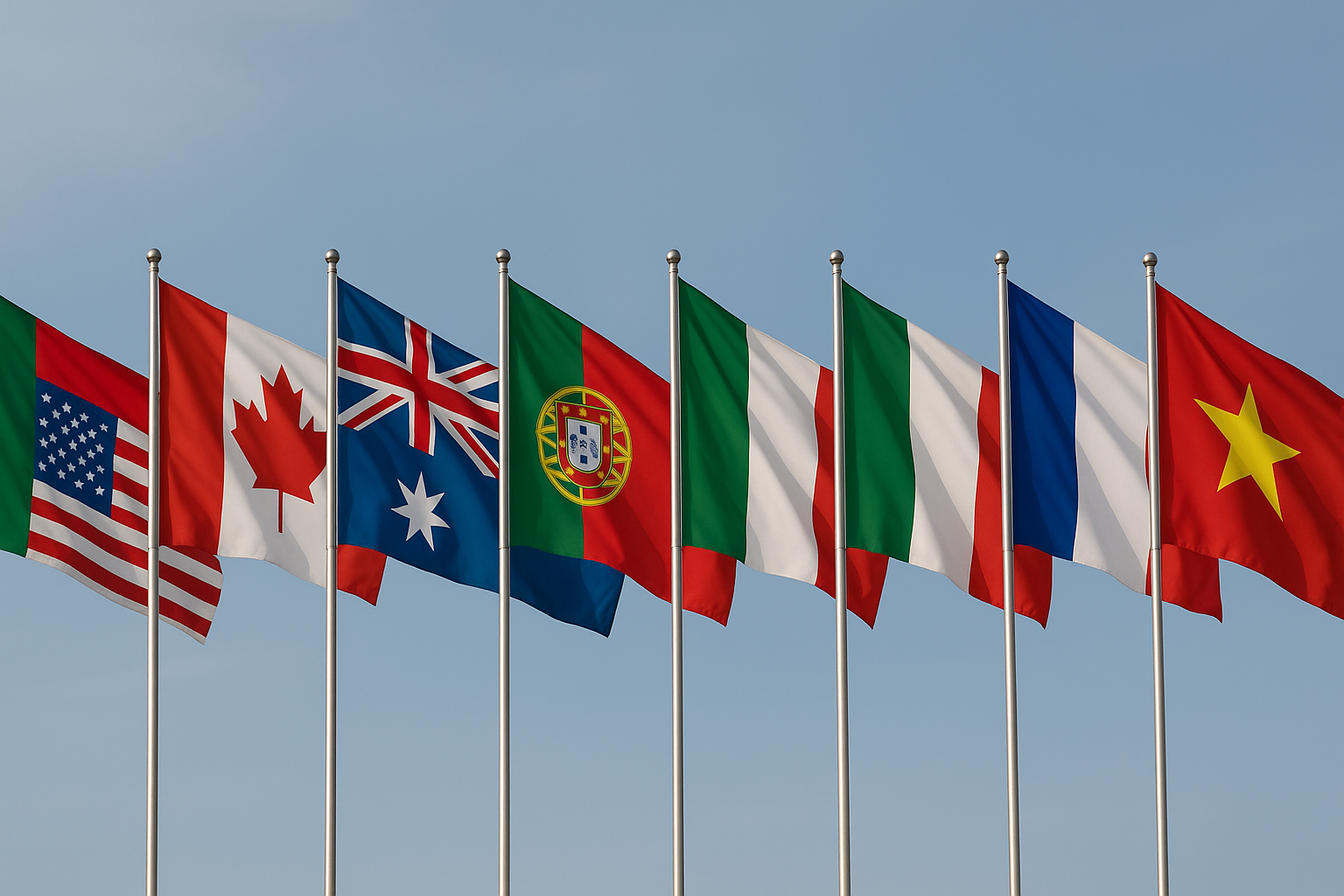
Buenos Aires, Argentina — Argentina has taken a bold step in its economic policy by signing a significant trade agreement with the United States. This deal, finalized on February 5, 2026, aims to eliminate hundreds of tariffs on goods exchanged between the two nations. This move is part of President Javier Milei’s broader strategy to open up Argentina’s historically protectionist economy and attract foreign investment.
The agreement signifies a shift in Argentina’s trade relations, especially with the US, which has been a key player in global trade dynamics. By reducing tariffs, Argentina hopes to increase exports and foster a more competitive market environment. This trade deal is particularly crucial as Argentina grapples with economic challenges, including high inflation and social unrest.
As part of the negotiations, both countries have agreed to cut tariffs on a wide range of products, including agricultural goods, machinery, and technology. This is expected to benefit American businesses by providing them with easier access to Argentine markets, while also allowing Argentine products to compete more effectively in the US.
Why This Trade Deal Matters Now
The timing of this trade agreement is particularly significant. Argentina is currently facing a myriad of economic challenges, including soaring inflation rates that have affected the purchasing power of its citizens. The Milei administration has been keen on implementing reforms that will stabilize the economy and attract international investment.
This is expected to benefit American businesses by providing them with easier access to Argentine markets, while also allowing Argentine products to compete more effectively in the US.
For the US, this deal represents an opportunity to strengthen its economic ties with South America. By reducing trade barriers, American companies can expand their market presence in Argentina, which is rich in natural resources and has a growing consumer base. This alignment could also be seen as a strategic move to counteract China’s influence in the region, as Beijing has been a major trading partner for Argentina.
Furthermore, this agreement could pave the way for future collaborations between the two nations. As both countries look to recover from economic downturns, the potential for joint ventures and investments could be significant. This trade deal is not just about reducing tariffs; it’s about building a sustainable economic relationship that benefits both parties.
Implications for Businesses and Consumers
 Government & Policy
Impact of US Trade Deal Stalemate on India’s Economy and New FTAs
The failure to finalize the US trade deal poses significant challenges for India's economy. However, the Reserve Bank of India's insights reveal that new free…
Read More →For businesses, the reduction of tariffs means lower costs for importing and exporting goods. Companies that rely on international supply chains will benefit from reduced expenses, which could ultimately lead to lower prices for consumers. This is particularly relevant for sectors such as agriculture and manufacturing, where tariffs have historically been a barrier to competitive pricing.
Consumers in Argentina may also see benefits from this trade deal. With increased competition and the potential for lower prices, everyday goods could become more affordable. Additionally, the influx of American products into the Argentine market may provide consumers with greater choices.

However, it’s essential to consider the potential drawbacks of this agreement. Critics argue that while reducing tariffs may stimulate the economy, it could also expose local industries to increased competition from foreign companies. This might lead to job losses in sectors that cannot compete effectively with imported goods.
- Monitor market changes: Stay informed about how this trade deal impacts prices and availability of goods.
- Evaluate business strategies: Companies should assess their supply chains and pricing strategies in light of new tariff structures.
- Engage with local industries: Support local businesses that may be affected by increased competition from imported goods.
However, some experts caution that this trade deal may not be a panacea for Argentina’s economic woes. Critics argue that while reducing tariffs could stimulate growth, it may also lead to greater dependence on foreign markets. According to a recent report from the Economic Policy Institute, such dependence can expose Argentina to global market fluctuations and undermine domestic industries.
Implications for Businesses and Consumers For businesses, the reduction of tariffs means lower costs for importing and exporting goods.
The Future of US-Argentina Trade Relations
Looking ahead, the success of this trade deal will largely depend on how both countries implement and adapt to the new economic landscape. If Argentina can stabilize its economy and attract foreign investment, the relationship with the US could flourish. Conversely, failure to address domestic issues could hinder the potential benefits of this agreement.
 Entrepreneurship & Business
Qualcomm Plans Global Job Cuts After Annual Reviews
A memo from chief executive Cristiano Amon links the reductions to performance culture and says business priorities and required skills will guide decisions.
Read More →As both nations embark on this new chapter, it will be crucial for businesses and consumers to remain vigilant. The trade landscape is ever-evolving, and the implications of this deal will likely unfold over the coming months and years. Will this agreement lead to a more prosperous future for Argentina, or will it expose the country to new vulnerabilities?
Written by Career Ahead AI. AI can make mistakes, so verify key facts. Report errors to support@careeraheadonline.com.