At IIM Kashipur’s Samanvaya 2026, HR leaders said AI is changing work.
The panel separated task automation from job loss
The panel at IIM Kashipur discussed “Beyond the 9-to-5: What Will Employment Even Mean by 2040?” An IIT Madras white paper offered a way to examine that question: AI’s ability to perform a task does not by itself mean an entire job or profession will disappear. The paper proposes assessing AI’s effects at four levels: tasks, jobs, occupations and the wider labour market. The distinction matters because a tool’s ability to complete one part of a role does not establish what happens to the role as a whole.¹
The paper also points to a less visible effect of automation: junior work can teach skills that matter later. Repetitive tasks may have low value when viewed one by one, but together they help people develop the judgment needed in senior roles. If those tasks change, the question is not only whether AI can do them. It is also whether people still get opportunities to build that judgment through their work. The paper’s framework keeps task changes and effects on occupations and the labour market separate.¹
The paper also points to a less visible effect of automation: junior work can teach skills that matter later.
Employers see changing expectations around AI and work
Sankalp Nanda, Senior Manager (HR Rewards) at London Stock Exchange Group (LSEG), said AI is raising expectations for aspiring professionals and encouraging them to build deeper subject knowledge. He also said companies are more open to putting AI into workforce processes as they invest in AI infrastructure. Together, those points describe a change on both sides of work: companies are incorporating AI into their processes, while Nanda said people entering the workforce face higher expectations about what they know.²
Yogesh Khatale, Deputy General Manager – L&OD at Praj Industries, put the change in direct terms: “AI will not replace your job, but it will change how you work.” He said AI cannot replace human judgment and problem-solving. Khatale also said individual contributions would increasingly matter more than job designations. His comments shift attention from a title to the work a person contributes, and from what AI can handle to the judgment and problem-solving that remain human responsibilities.²
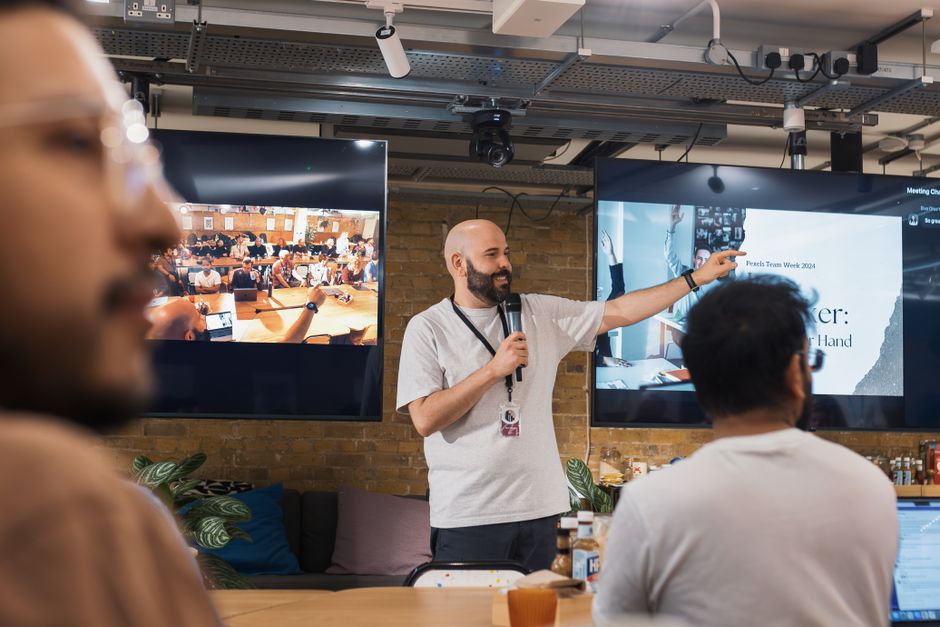
Recruiters are probing beyond resumes and credentials
 Future Skills & Work
AI Agents Reshaping Job Markets, Leaders Respond
The integration of AI agents into various sectors is transforming job markets globally, prompting leaders to rethink workforce strategies and skill requirements. This shift raises…
Read More →Amey Pachpute, Technology Product Manager at BlackRock and an IIM Kashipur alumnus, said cultural fit has become a decisive factor in candidate selection alongside core technical skills. His point places the assessment of how a candidate fits a workplace next to the technical abilities listed for a role. It also means that technical skills alone do not cover everything employers consider when choosing between candidates, according to Pachpute.²
Avneet Singh, AVP – HR at Axis Max Life Insurance Limited, said employers are looking beyond resume statements as recruiters and job seekers increasingly use AI. Employers want to assess the experiences behind candidates’ achievements and the decisions candidates made. The focus, in Singh’s account, is on whether a candidate can explain the experience behind a claim, rather than relying on the resume statement alone. That puts the candidate’s own decisions and experiences at the centre of the assessment.²
Arjun Mohan, AVP – HR at Mphasis, said recruiters look beyond certifications to assess business understanding, adaptability and the impact of a candidate’s problem-solving. Girijesh Srivastava, Human Resources and L&D Leader – HR CoE at Reliance Jio Infocomm Limited, offered a practical test for the skills candidates list: “You should never include a single skill that you cannot speak about for 5–15 minutes.” Both comments point to what employers seek beyond credentials: evidence that candidates understand and can explain their abilities.²
Build Judgment, Not Just Skills
When you weigh a role, ask what repetitive junior tasks it includes. Those tasks teach judgment you need later in senior roles, even if each one looks low in value. A job that hands you only high-level work may leave you without the foundation employers expect as you rise. Choose a position where you can do the unglamorous work that builds that judgment.¹
Recruiters are probing beyond resumes and credentials Amey Pachpute, Technology Product Manager at BlackRock and an IIM Kashipur alumnus, said cultural fit has become a decisive factor in candidate selection alongside core technical skills.
In interviews, prepare to speak about any skill you list for five to fifteen minutes. Recruiters look beyond certifications and resume statements to assess your business understanding, adaptability, and problem-solving impact. They also weigh cultural fit alongside technical skills. So practice explaining the decisions behind your achievements, not just the achievements themselves.²
Sources
- indianexpress.com — https://indianexpress.com/article/education/at-iim-kashipurs-hr-conclave-corporate-leaders-say-ai-wont-replace-jobs-but-10946863/
- news18.com — https://www.news18.com/education-career/ai-will-not-replace-your-job-but-it-will-change-how-you-work-hr-leaders-at-iim-kashipur-10408882.html
 Future Skills & Work
Airbus Adjusts Remote Work Policy Amid Employee Strikes
Airbus's recent decision to adjust its remote work policy reflects the growing demands of employees for flexibility. This change, stemming from a series of strikes,…
Read More →Written by Career Ahead AI. AI can make mistakes, so verify key facts. Report errors to support@careeraheadonline.com