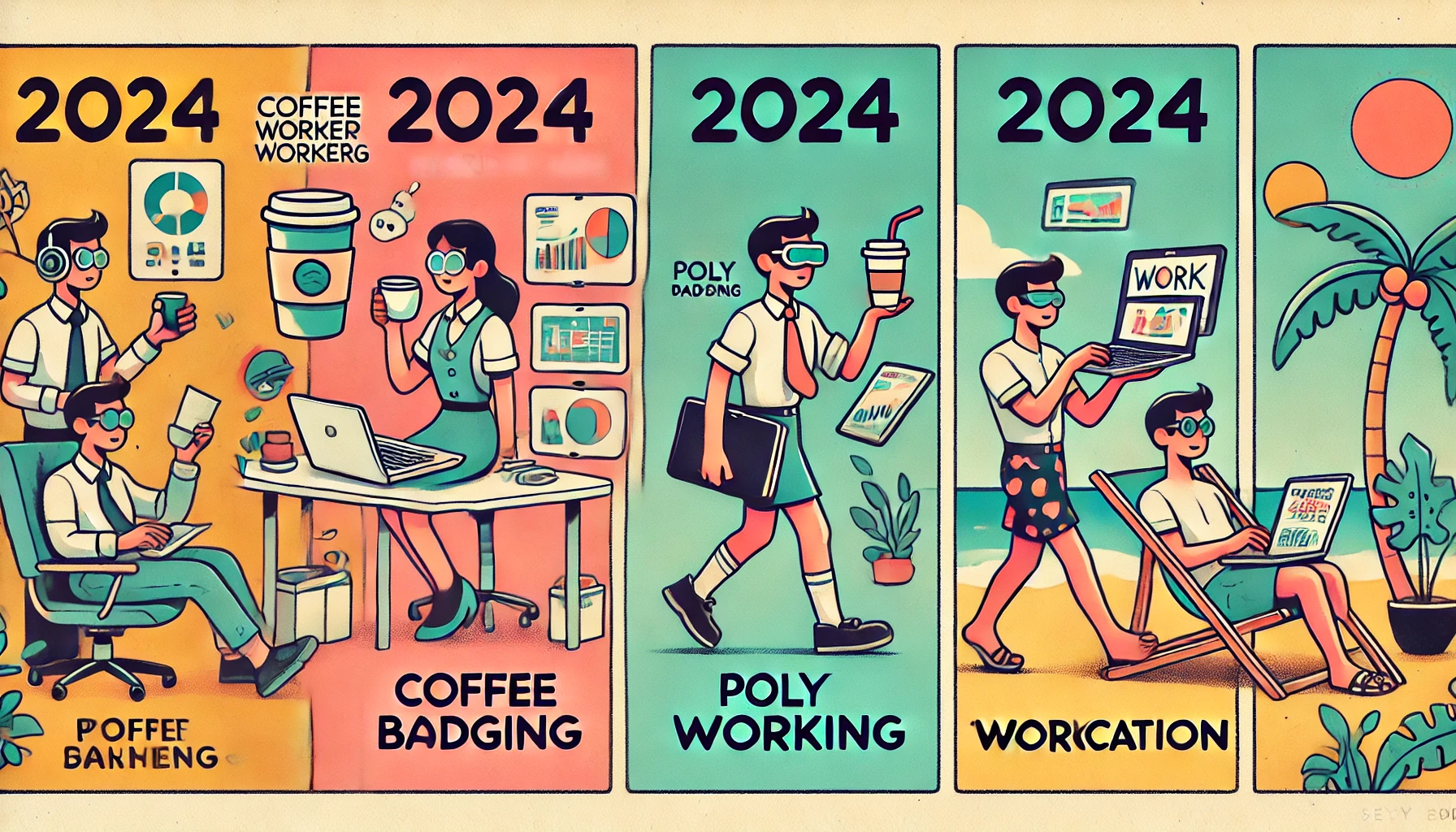
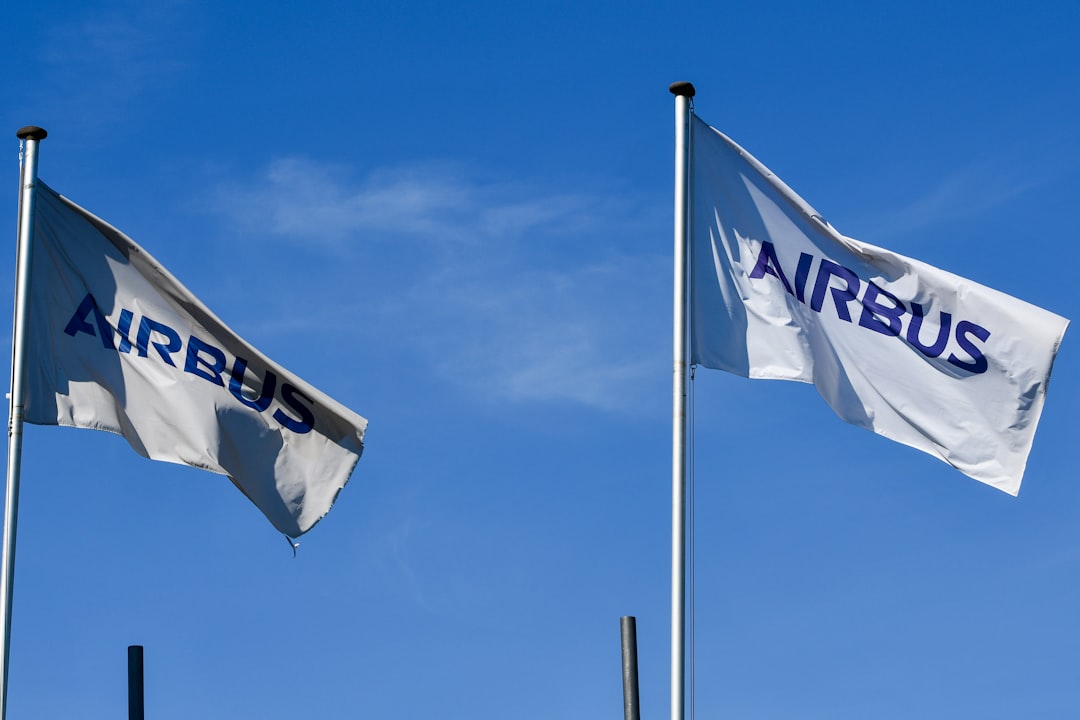
Airbus has adjusted its remote work policy following a series of employee strikes, allowing staff to work from home an average of two days per week instead of the previously proposed one day. This decision, announced on August 21, 2026, comes after significant employee backlash, particularly in Spain, France, and the UK, where workers protested against the company’s push for a return to office-centric work arrangements.
This shift in policy is significant as it reflects a broader trend in the aerospace sector, where flexibility in work arrangements is increasingly demanded by employees. The strikes, which involved approximately 40% of Airbus’s workforce in Spain, highlighted the tensions between management’s desire for in-person collaboration and employees’ preferences for remote work. Airbus’s Chief Executive, Guillaume Faury, initially emphasized the need for on-site presence to foster better teamwork and efficiency, but the employee response forced a reconsideration of this stance.
Impact on Team Dynamics and Collaboration
The adjustment to Airbus’s remote work policy is poised to have major implications for team dynamics within the company. Aerospace engineers and project managers often rely on close collaboration to ensure that projects meet their demanding timelines and technical specifications. With the new policy allowing for two days of remote work, teams may find it easier to balance personal commitments with professional responsibilities, potentially leading to improved morale and job satisfaction.
However, the shift also raises questions about how collaboration will be managed effectively in a hybrid environment. Remote work can hinder spontaneous interactions and informal discussions that often lead to innovative solutions. Career Ahead analysis finds that aerospace engineers may need to adapt to using new collaboration tools and methodologies to maintain productivity and creativity while working remotely.
Furthermore, project managers will have to develop strategies to keep teams engaged and aligned on goals despite the physical distance. Utilizing project management software and regular virtual check-ins may become essential practices for ensuring that team members remain connected and informed about project developments. This change in work dynamics could lead to a reevaluation of how projects are planned and executed within the aerospace industry.
Ultimately, the success of this hybrid work model will depend on the ability of teams to maintain communication and collaboration. As engineers and project managers navigate this new landscape, they must be proactive in finding ways to leverage technology effectively to foster teamwork, even when working remotely.
Utilizing project management software and regular virtual check-ins may become essential practices for ensuring that team members remain connected and informed about project developments.
Recruitment Strategies for Aerospace Roles
The recent changes in Airbus’s remote work policy are likely to influence recruitment strategies for aerospace roles moving forward. With the demand for flexibility becoming a key factor in job seekers’ decisions, companies in the aerospace sector may need to adapt their hiring practices to attract top talent. As remote work options become more common, candidates will increasingly seek employers who offer flexible arrangements.
 Future Skills & Work
Bill Gates Advocates for Human-Reserved Jobs Amid AI Threat
Bill Gates emphasizes the importance of 'human-reserved' jobs in a recent essay, arguing that certain roles should remain untouched by AI to preserve human empathy…
Read More →Career Ahead research indicates that companies that embrace hybrid work models can position themselves as attractive options for prospective employees. This shift could lead to a more diverse talent pool, as individuals who may have previously been deterred by the rigid office-centric culture may now consider opportunities within the aerospace industry.
Moreover, the ability to work remotely may also allow companies to tap into a broader geographic talent pool. Engineers and project managers from various regions can apply for positions without the need to relocate, which can be particularly beneficial for specialized roles that require niche skills. This could enhance innovation within teams as diverse perspectives and experiences are integrated into projects.
However, companies must also consider the implications of remote work on team cohesion and company culture. As recruitment strategies evolve, it will be essential for aerospace firms to develop onboarding processes that foster a sense of belonging among remote employees. Ensuring that new hires feel connected to their teams, despite physical distance, will be a critical factor in retaining talent in the long run.
In summary, the shift towards remote work at Airbus not only impacts existing employees but also shapes the future landscape of recruitment in the aerospace industry.
In summary, the shift towards remote work at Airbus not only impacts existing employees but also shapes the future landscape of recruitment in the aerospace industry.
Wider Implications for the Aerospace Industry
The decision by Airbus to accommodate remote work demands is indicative of a larger trend within the aerospace sector. As companies face increasing pressure to adapt to employee expectations, the industry may see a shift in how work is structured. This could lead to a more flexible approach to project management and engineering roles, allowing for greater adaptability in response to market demands.
Furthermore, the impact of remote work policies extends beyond individual companies. As major players in the aerospace industry adopt hybrid work models, it could set a precedent for smaller firms and startups to follow suit. This shift may also influence industry standards and expectations regarding work-life balance, potentially leading to a cultural transformation within the sector.
 Future Skills & Work
Tech Firms Embrace Automation Amid Job Threats
Hinton’s remarks come amid a wave of optimism about AI's capabilities, yet he cautions against the blind faith in technology.
Read More →Career Ahead analysis finds that as the aerospace industry navigates these changes, there may be an increased focus on employee well-being and mental health. Companies that prioritize flexibility and support for their employees are likely to see improved productivity and retention rates. This could lead to a more sustainable workforce in the long term, as employees feel valued and engaged in their work.
As the aerospace sector evolves, it will be essential for companies to remain agile and responsive to the needs of their workforce. The balance between in-person collaboration and remote work will require ongoing adjustments and innovations in how teams operate.
Looking ahead, the aerospace industry must monitor the effectiveness of these new work arrangements. As remote work becomes more ingrained in company cultures, it will be interesting to see how this impacts project outcomes, team dynamics, and overall industry performance.
Developing strong communication skills will also be essential for effective teamwork in a hybrid work model.
Frequently Asked Questions
What are the benefits of remote work for aerospace engineers?
Remote work offers aerospace engineers increased flexibility, allowing them to balance personal commitments with professional responsibilities. This can lead to improved job satisfaction and work-life balance.
How can project managers in aerospace effectively manage remote teams?
Project managers can utilize project management software and regular virtual check-ins to maintain communication and alignment among remote team members. Establishing clear goals and expectations is also crucial for success.

What skills should aerospace engineers develop to thrive in a remote work environment?
Aerospace engineers should focus on enhancing their proficiency with collaboration tools and project management software. Developing strong communication skills will also be essential for effective teamwork in a hybrid work model.
 Future Skills & Work
Mixed reality redefines the architecture of work
The global immersive‑technology market, valued at $33.1 billion in 2023, is projected to reach.
Read More →Sources: Theglobeandmail, Reuters, Business-news-today.
Written by Career Ahead AI. AI can make mistakes, so verify key facts. Report errors to support@careeraheadonline.com.