No products in the cart.

Australia Launches Nationwide Vaccination Program for Vulnerable Native Birds Against H5N1 Avian Influenza
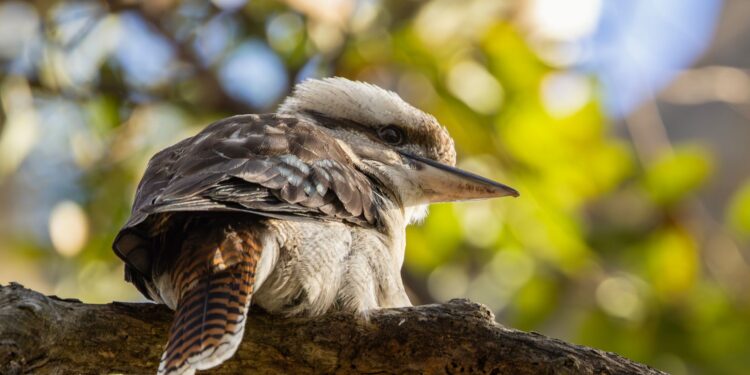
A parallel field trial is underway at Perth Zoo to assess a vaccine for endangered black cockatoos.

The Australian government announced a country-wide initiative to vaccinate at-risk native bird species against the H5N1 strain of avian influenza. A parallel field trial is underway at Perth Zoo to assess a vaccine for endangered black cockatoos.
The program was disclosed in a government statement released in early August 2026, outlining a coordinated effort to protect vulnerable wildlife from the highly pathogenic H5N1 virus [1]. The initiative applies to all Australian states and territories, with implementation sites ranging from wildlife sanctuaries to zoo collections [1]. The announcement coincides with heightened surveillance of H5N1 outbreaks in domestic poultry and sporadic spill-over events in wild bird populations across the Asia-Pacific region.
The rollout involves the Department of Agriculture, Water and the Environment, state wildlife agencies, and veterinary research institutions [1]. A pilot vaccination trial targeting the critically endangered Carnaby’s black-cockatoo (Calyptorhynchus latirostris) is being conducted at Perth Zoo in Western Australia [2]. The trial uses a recombinant H5N1 vaccine developed by an Australian biotech firm under a research partnership with the zoo’s veterinary team and the Commonwealth Scientific and Industrial Research Organisation (CSIRO) [2].
Program Scope and Implementation
The national program aims to inoculate approximately 1.2 million birds identified as high-risk based on species vulnerability assessments and geographic exposure to migratory waterfowl [1]. Priority species include several cockatoos, parrots, and ground-dwelling birds listed under the Environment Protection and Biodiversity Conservation Act [1]. Vaccination will be administered by trained wildlife veterinarians using a subcutaneous injection protocol approved for avian use [1].
Funding for the effort totals AUD 45 million, allocated through the Federal Budget’s biosecurity package [1]. The budget covers vaccine procurement, cold-chain logistics, field staff deployment, and post-vaccination monitoring. State governments are responsible for coordinating on-ground activities, including securing permits for handling protected species and integrating vaccination schedules with existing conservation programs [1].
Program Scope and Implementation The national program aims to inoculate approximately 1.2 million birds identified as high-risk based on species vulnerability assessments and geographic exposure to migratory waterfowl [1].
The vaccine selected for the program is a licensed H5N1 inactivated virus formulation, previously used in poultry and adapted for avian wildlife through dose adjustments [1]. Regulatory approval was granted by the Australian Pesticides and Veterinary Medicines Authority (APVMA) after a risk assessment confirmed safety for non-target species and minimal environmental impact [1]. Distribution centers have been established in each capital city to ensure rapid delivery to remote field sites [1].
You may also like
 News
NewsNorway’s Central Bank Maintains Key Rate
Norway's decision to maintain the key interest rate at 4.25% has significant implications for financial analysts and economists. This move suggests a cautious approach to…
Read More →Pilot Trial at Perth Zoo
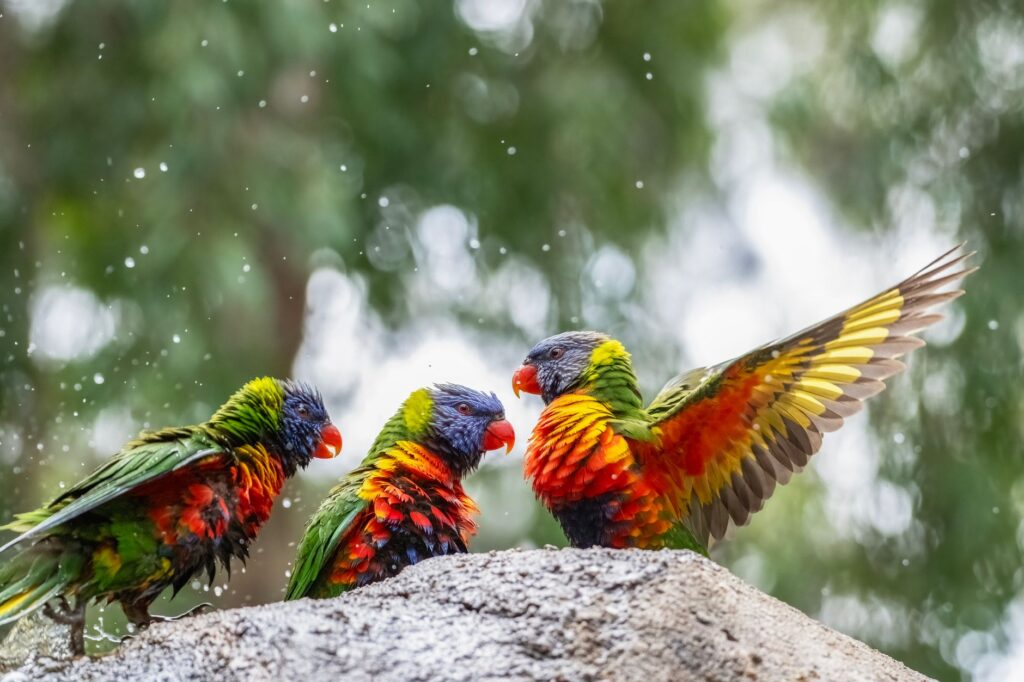
Perth Zoo commenced the trial on 3 August 2026, enrolling 30 captive Carnaby’s black-cockatoos identified as genetically valuable for the species’ recovery plan [2]. The birds received a single dose of the H5N1 vaccine, followed by serological testing at 14-day intervals to measure antibody response [2]. Preliminary results released on 10 August 2026 indicated seroconversion in 28 of the 30 individuals, suggesting strong immunogenicity [2].
The trial’s methodology includes a control group of unvaccinated birds to monitor natural infection rates, although no H5N1 cases have been reported in the zoo’s avian collection to date [2]. Researchers are also collecting data on vaccine safety, observing the birds for any adverse reactions such as injection site inflammation or behavioral changes [2]. Findings will inform dosage recommendations and scheduling for the broader field program [1].
Collaboration on the trial extends to the University of Western Australia’s School of Veterinary and Biomedical Sciences, which provides laboratory analysis of blood samples, and the Department of Biodiversity, Conservation and Attractions, which oversees the zoo’s wildlife health protocols [2]. The partnership reflects a multi-institutional approach to wildlife disease management endorsed by the federal government [1].
Impact on Readers
The vaccination program directly affects Australian educators, students, and wildlife professionals by creating new opportunities for involvement in biosecurity and conservation science. Universities offering veterinary and environmental science courses can incorporate fieldwork components that align with the national rollout, providing hands-on experience with vaccine administration and disease surveillance [1].
For Indigenous communities managing land where vulnerable bird species reside, the program offers access to resources for protecting cultural heritage tied to native fauna. State wildlife agencies have issued guidance documents outlining how landholders can request vaccination services for birds on private or community lands [1].
Impact on Readers The vaccination program directly affects Australian educators, students, and wildlife professionals by creating new opportunities for involvement in biosecurity and conservation science.
Zoos and wildlife parks across the country will integrate the vaccine into routine health checks, potentially reducing the risk of H5N1 transmission to visitors and staff. The initiative also supports the tourism sector by safeguarding iconic Australian bird species that attract ecotourism [1].
You may also like
 News
NewsKarnataka Announces India’s First Government‑Run Artificial Intelligence University
Karnataka’s government will establish a dedicated AI university on a 100‑acre campus in Bengaluru, alongside an AI Hub and a new state AI policy.
Read More →In the immediate term, the program seeks to curtail the spread of H5N1 among wild bird populations, thereby protecting ecosystem health and preserving biodiversity. Ongoing monitoring will track vaccine efficacy and any need for booster doses, ensuring that the protective measures remain responsive to evolving disease dynamics [1].
Key Facts
What: Australia has launched a nationwide vaccination program for vulnerable native birds against H5N1 avian influenza, with a pilot trial at Perth Zoo for black cockatoos.
When: Announcement and rollout began in August 2026.
What: Australia has launched a nationwide vaccination program for vulnerable native birds against H5N1 avian influenza, with a pilot trial at Perth Zoo for black cockatoos.
Impact: The effort aims to protect endangered bird species, provides research and training opportunities, and supports biosecurity for communities, zoos, and conservation programs.
You may also like
 News
NewsAviation Ministry Awaits Captain’s Drug Test Outcome
The Aviation Ministry is awaiting further lab test results after reports surfaced that a captain of an Air India flight tested positive for drugs following…
Read More →Sources
- Australia to vaccinate vulnerable native birds against H5N1 bird flu – Ednews.net
- Bird flu vaccine trial for Perth Zoo’s black cockatoos – The West Australian
- Australia to vaccinate birds against H5 avian influenza – LCANews