No products in the cart.

Aviation Ministry Awaits Captain’s Drug Test Outcome

The Aviation Ministry is awaiting further lab test results after reports surfaced that a captain of an Air India flight tested positive for drugs following a mid-air emergency.

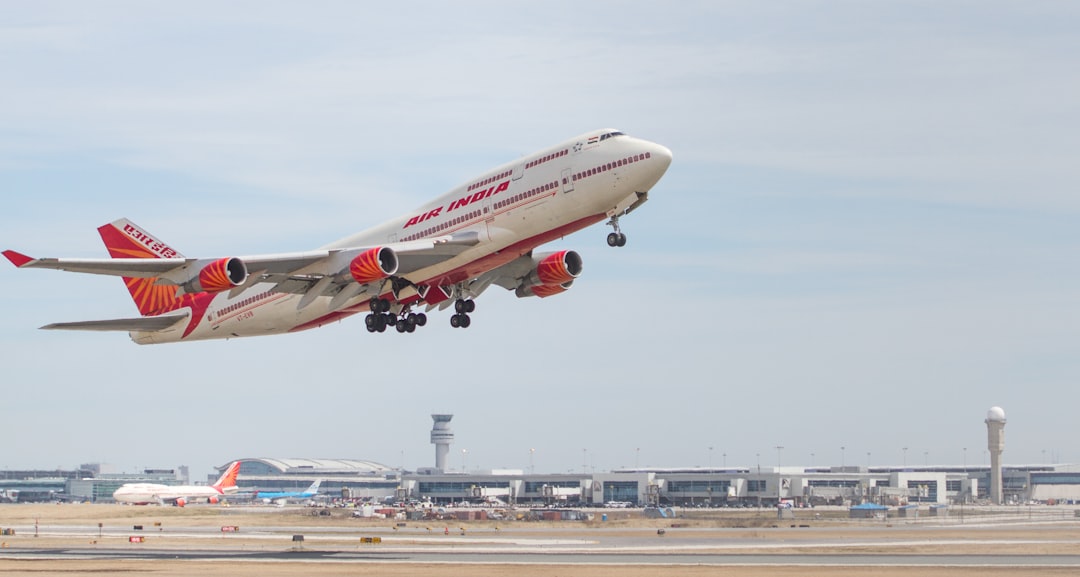
New Delhi, India — The Aviation Ministry is currently awaiting further lab test results after reports surfaced that a captain of an Air India flight tested positive for drugs. This incident, which occurred following a mid-air emergency that injured 24 passengers, has raised serious concerns about the safety protocols in place for commercial pilots.
The incident took place on August 4, 2026, shortly after the Airbus A320 took off from Phuket, Thailand, en route to New Delhi. Reports indicate that the aircraft unexpectedly dropped about 300 feet before stabilizing and landing safely. Following this event, both pilots underwent routine drug testing, which revealed a positive result for the captain, potentially for marijuana. Both pilots have since been suspended from flying duties pending an inquiry.
Implications for Drug Testing Policies in Aviation
The positive drug test result is likely to prompt a reevaluation of existing drug testing policies within the aviation sector. Currently, regulations stipulate that airline pilots undergo regular drug screenings for psychoactive substances, which include alcohol and drugs that could impair their judgment. However, the specifics of these regulations may vary, and this incident could catalyze a push for more stringent testing protocols.
Career Ahead’s analysis indicates that the Aviation Ministry may introduce more rigorous testing requirements, including random testing and increased frequency of screenings, particularly after incidents involving safety concerns. This could align with practices seen in other high-stakes industries, such as transportation and public safety, where drug testing is a routine part of employment protocols. According to a report by The Hindu, the investigation is expected to scrutinize the existing frameworks and may lead to the implementation of more comprehensive policies that ensure pilots are not only tested but also educated about the risks associated with substance use.
It highlights the need for airlines to not only enforce drug testing but also to provide education on the risks and consequences of drug use, especially in a profession where safety is paramount.
You may also like
 News
NewsKarnataka Announces India’s First Government‑Run Artificial Intelligence University
Karnataka’s government will establish a dedicated AI university on a 100‑acre campus in Bengaluru, alongside an AI Hub and a new state AI policy.
Read More →Moreover, the incident raises questions about the adequacy of current training and support systems for pilots regarding substance use. It highlights the need for airlines to not only enforce drug testing but also to provide education on the risks and consequences of drug use, especially in a profession where safety is paramount. Airlines may need to invest in programs that promote healthy lifestyles and provide resources for pilots struggling with substance-related issues. This holistic approach could help mitigate risks and foster a safer aviation environment.
The potential changes in drug testing policies may also influence how pilots are recruited and retained. Airlines may need to adapt their hiring processes to ensure that candidates meet stricter health and safety standards. This could lead to a more competitive job market for aspiring pilots, who may need to demonstrate a clean record and a commitment to safety beyond the standard requirements. As the industry evolves, it will be crucial for airlines to balance the need for stringent safety measures with the necessity of attracting skilled pilots.
Increased Scrutiny on Pilot Health and Safety Standards
This incident has placed a spotlight on the health and safety standards of pilots in the aviation industry. The fact that a captain could potentially operate an aircraft while under the influence of drugs raises significant concerns about the overall safety culture within airlines. The Aviation Ministry’s ongoing investigation will likely focus not only on the individual incident but also on systemic issues related to pilot health management.
The Aviation Ministry’s ongoing investigation will likely focus not only on the individual incident but also on systemic issues related to pilot health management.
Career Ahead research identifies that this scrutiny could lead to a comprehensive review of pilot health assessments, including mental health evaluations. As the industry grapples with the implications of this incident, there may be calls for enhanced psychological support and monitoring for pilots, particularly in high-pressure environments. The need for such measures is underscored by the increasing awareness of mental health issues in various professions, including aviation. A proactive approach to mental health could involve partnerships with healthcare providers to create programs that address both physical and mental well-being, ensuring that pilots are fit for duty at all times.
You may also like
 News
NewsOracle Announces Large-Scale Layoffs and Hiring Freeze Amid AI Investment Costs
The company will use artificial‑intelligence tools to backfill certain roles in its cloud business.
Read More →Furthermore, with increasing awareness of mental health issues in various professions, the aviation sector may need to prioritize mental health resources for pilots. This could involve partnerships with healthcare providers to create programs that address both physical and mental well-being, ensuring that pilots are fit for duty at all times. The potential for increased scrutiny may also lead to a culture shift within airlines, where transparency regarding pilot health and safety becomes a priority. Airlines might be compelled to adopt more transparent practices regarding pilot health and safety, leading to a culture where safety is prioritized over operational pressures.
The aviation sector has seen a shift towards greater accountability in recent years, and this incident may accelerate that trend. The ongoing investigation and its outcomes will likely be pivotal in shaping the future of aviation safety regulations and employment practices. As the industry responds to this incident, professionals must remain vigilant and proactive in adapting to the changes that may arise.
The recent incident involving the Air India captain testing positive for drugs serves as a critical reminder of the importance of safety in aviation. The outcomes of the investigation will likely influence not only current practices but also set a precedent for future regulations in the industry. As stakeholders await the final results, the aviation community must prepare for the potential shifts in policies and practices that could redefine pilot safety standards.
These tests are designed to ensure that pilots maintain the highest standards of safety and professionalism.
Frequently Asked Questions
What are the current drug testing policies for commercial pilots?
Current drug testing policies for commercial pilots require routine screenings for psychoactive substances, including drugs and alcohol. These tests are designed to ensure that pilots maintain the highest standards of safety and professionalism.
How does a positive drug test affect a pilot’s career?
A positive drug test can have serious consequences for a pilot’s career, including suspension from flying duties and potential termination. It can also affect future employment opportunities within the aviation industry.

What should aviation safety officers do in response to this incident?
Aviation safety officers should closely monitor the outcomes of the investigation and assess current safety protocols. They may need to review and update drug testing procedures and promote a culture of safety and compliance within their organizations.
You may also like
 News
NewsU.S. Education Department Calls on Universities to Publish Reform Plans by End of 2026
Secretary Linda McMahon's August 3, 2026 directive asks every U.S. college and university to issue a public reform statement by the end of the year.
Read More →