No products in the cart.

Bastar Faces Rising Tensions Amid Old Reds’ Return
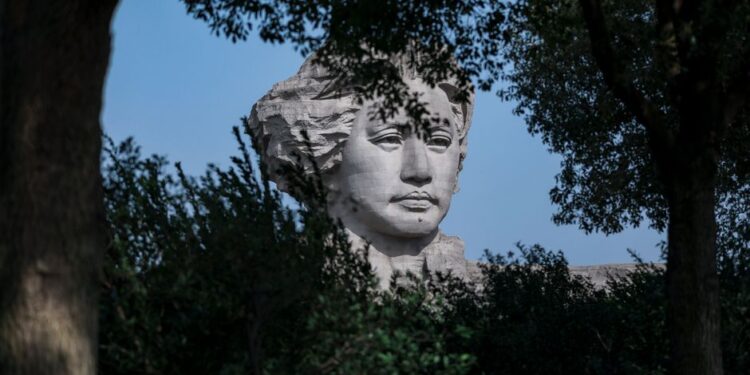
The return of former Maoists to Bastar is creating a tense atmosphere in villages like Puwarti, where local leaders must navigate the challenges of reasserting authority against a backdrop of past violence and shifting power dynamics.

Chhattisgarh, India — The return of Maoist leaders to the Bastar region is causing worry among local village headmen and farmers. Reports show that over 1,800 former Maoists are reintegrating into their communities. This follows a time of relative peace when village headmen no longer had to pay fees to Maoist groups. This change in power dynamics could disrupt the autonomy and financial relief that local governance has recently gained.
As former Maoists return, villages like Puwarti are feeling tense. Local leaders, who once had to comply with Maoist demands, now face the challenge of reasserting their authority. The return of these leaders comes at a time when the government has declared an end to armed Maoism. According to the Economic Times, the return of over 3,000 former Maoists is being approached with caution. Many of these individuals were deeply indoctrinated and may still hold radical views.
Impact on Local Governance Structures
The reintegration of former Maoists into Bastar’s villages is a significant challenge for local governance. Career Ahead’s analysis shows that the end of mandatory payments to Maoist groups has given village headmen some autonomy. However, with the return of Maoist leaders, this newfound power may be at risk. The Economic Times notes that village headmen must navigate a tricky landscape, balancing their authority with the expectations of former Maoists who may not easily give up their influence.
Village headmen, who once operated under Maoist control, now face a difficult situation. They must assert their authority while managing the expectations of former Maoists. The emotional scars from past violence complicate matters, as villagers remember those who once instilled fear. The return of influential figures could threaten the stability farmers have enjoyed, putting them between conflicting interests.
Additionally, local governance structures that have begun to stabilize might face upheaval. The presence of former Maoists could lead to a return of the coercive dynamics that forced village leaders to comply with Maoist demands. This potential regression threatens the progress made in establishing a more autonomous local administration. The government’s strategy of housing some former Maoists in rehabilitation centers shows an understanding of this delicate balance but also highlights the risk of community backlash.
A careful approach to governance is essential, balancing authority with community needs.
You may also like
 News
NewsScammers Target Remote Workers with OTP and Fake Job Scams
Remote workers are increasingly targeted by sophisticated scams involving fake job offers and OTP requests. Understanding these tactics is crucial for freelancers and digital marketers…
Read More →As dynamics shift, village headmen must prepare for renewed tensions. They need to maintain order and protect the interests of local farmers who have benefited from the absence of Maoist influence. A careful approach to governance is essential, balancing authority with community needs. The Economic Times emphasizes that the return of these leaders is not just about social reintegration; it tests the resilience of local governance structures that emerged after Maoist decline.
Potential Resurgence of Maoist Influence
The return of Maoist leaders to Bastar raises concerns about renewed influence in the region. Career Ahead’s research indicates that while some former Maoists have reintegrated well, others may still cling to radical ideologies. This division could split villagers’ loyalties and complicate stability efforts. In areas where former Maoists have integrated successfully, there is hope for peaceful coexistence. However, lingering resentment from villagers who suffered under Maoist rule poses a significant barrier to acceptance.
Many villagers express anger towards former leaders, fearing their return could reignite conflict. This tension is evident in communities where past atrocities are still fresh. The Economic Times reports that the government’s cautious approach aims to prevent any resurgence of radicalization among former Maoists, but the effectiveness of these measures is uncertain. The state’s strategy of turning security camps into schools and hospitals is part of a broader effort to promote peace, yet underlying tensions remain.
The potential for a resurgence of Maoist influence looms as local governance structures adapt. The challenge will be to ensure that power dynamics do not revert to a past where fear and coercion dictated village life. As the situation evolves, local leaders must engage with both the community and returning former Maoists. Building trust and fostering dialogue will be essential to prevent violence and protect local farmers’ interests.

The balance between governance and security will be crucial for Bastar’s future.
The broader implications of the Maoist resurgence in Bastar extend beyond governance and touch on community safety. The return of former Maoists could lead to increased violence or intimidation aimed at re-establishing control. Career Ahead’s analysis suggests that local farmers’ safety may be at risk if tensions rise. Farmers in Bastar have enjoyed relative peace, free from the burden of paying taxes to Maoist groups. However, the return of influential figures could threaten this stability.
You may also like
 News
NewsU.S. Stocks Climb as Weak Jobs Data Lowers Rate Hike Expectations
U.S. stocks rose following a weak jobs report that tempered expectations for Federal Reserve interest rate hikes. This shift in market sentiment is crucial for…
Read More →Furthermore, the government’s efforts to promote development in the region may be undermined if security concerns resurface. Initiatives aimed at improving infrastructure and local economies could falter if communities do not feel safe. The balance between governance and security will be crucial for Bastar’s future. As the situation unfolds, the implications for village headmen and farmers will be significant, raising questions about the future of peace in the region.
The return of Maoist leaders in Chhattisgarh’s Bastar region presents a complex challenge for local governance and community safety. The implications for village headmen and farmers will be significant. The evolving dynamics of power and authority will require careful navigation to prevent a regression into the violent past that has plagued the region for decades.
Frequently Asked Questions
What should village headmen do to prepare for potential Maoist resurgence?
Village headmen should strengthen community ties and establish clear communication with local residents. Engaging in dialogue with former Maoists may help address concerns and prevent misunderstandings.
Village headmen should strengthen community ties and establish clear communication with local residents.
How can local farmers protect their interests amid changing power dynamics?
Farmers can organize community meetings to discuss concerns and develop collective strategies to address potential threats. Collaborating with village headmen to ensure their voices are heard will be crucial.

What strategies can be employed to maintain community safety in the face of returning Maoists?
Community safety can be enhanced through increased vigilance and cooperation among villagers. Establishing watch groups and fostering relationships with local law enforcement can help deter potential threats from former Maoists.
You may also like
 News
NewsTokyo Inflation Surge Signals BOJ’s Monetary Policy Shift
Inflation in Tokyo has surged to 3.4%, prompting the Bank of Japan to reassess its monetary policy. This article explores the implications for economic growth,…
Read More →