No products in the cart.

BBA Options Without Math Uncovered
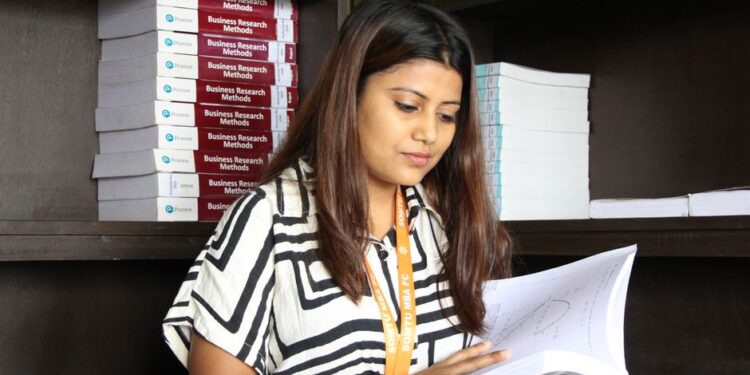
Admission criteria for BBA programs vary widely among institutions. Some prestigious colleges, like Delhi University and Shaheed Sukhdev College of Business Studies, require math or business math.

India — Many students want to pursue a Bachelor of Business Administration (BBA) but worry about their math skills. Recently, many colleges in India have started accepting students from different academic backgrounds. This includes those who did not study mathematics in Class 12. This change is important as it opens new opportunities for future management students.
Admission criteria for BBA programs vary widely among institutions. Some prestigious colleges, like Delhi University and Shaheed Sukhdev College of Business Studies, require math or business math. However, many other colleges do not have this requirement. This flexibility allows students from Arts or Science streams to apply for BBA programs, even if they lack a strong math foundation.
Admission Criteria for BBA Programs
Career Ahead’s analysis shows that many colleges have changed their admission processes to include students without a math background. For example, entrance exams like the IPU CET and Symbiosis Entrance Test (SET) focus on basic quantitative skills rather than advanced math. These exams usually cover topics from Class 10, such as percentages, profit and loss, and simple averages. This approach helps students from non-math backgrounds perform well with proper preparation.
In addition to entrance exams, some colleges are considering other admission criteria. They may prioritize a student’s performance in English, Business Studies, or extracurricular activities instead of math scores. This shift shows a growing recognition of soft skills and other competencies in business. Colleges are increasingly valuing communication skills and leadership potential, which are vital in management roles.
Many colleges also offer preparatory courses or bridge programs for students who may struggle with math concepts. These courses aim to build foundational skills in business mathematics and statistics. They ensure that all students can succeed in their BBA studies, regardless of their background. According to a report from News18, this inclusive approach is becoming more common, helping students transition smoothly into the program.
These courses aim to build foundational skills in business mathematics and statistics.
As the demand for diverse skills in business grows, colleges will likely continue to adapt their admission criteria. This trend benefits students without a math background and enriches the learning environment with diverse perspectives. Institutions recognize that a varied student body can lead to innovative ideas and solutions in business practices.
You may also like
 Education & University Insights
Inside DES Pune University's academic leadership
DES Pune University is embracing innovation in higher education through new leadership strategies, interdisciplinary research, and industry partnerships, aiming to prepare students for a dynamic…
Read More →Moreover, the focus on practical skills is increasing. Many colleges are incorporating real-world case studies and project-based learning into their curricula. This hands-on experience is invaluable in the job market. It particularly benefits students from non-math backgrounds, allowing them to apply their learning in real contexts.
[[INLINE_IMAGE]]
Recommended Subjects for BBA Students Without Math
Students pursuing a BBA without a math background should focus on subjects that emphasize practical applications and soft skills. Many colleges offer courses in Business Communication, Human Resource Management, and Marketing, which do not require advanced math skills. These subjects help students develop critical thinking, communication, and management skills essential in business.
Ultimately, students should align their course selections with their career goals.
Courses in Business Ethics and Corporate Social Responsibility are also gaining popularity. These subjects encourage students to consider the broader implications of business decisions. They help build a well-rounded understanding of management principles, which employers increasingly value. Understanding ethical considerations and social responsibilities is becoming a key differentiator in the job market.
Subjects like Digital Marketing and Event Management are attractive for students who prefer less numerical focus. These areas often require creativity and strong interpersonal skills, making them ideal for those who excel in non-quantitative fields. Students can use their strengths in these subjects while pursuing a degree in business administration. The rise of digital platforms has also created new opportunities for marketing professionals, making these specializations particularly relevant.
You may also like
 Education & University Insights
NYC Leaders Push for School Integration Amid Segregation
New York City's school system remains one of the most segregated in the U.S. City leaders are now pushing for integration, but advocates emphasize the…
Read More →Ultimately, students should align their course selections with their career goals. By focusing on specializations that resonate with their interests and strengths, they can build a fulfilling career path in management without being hindered by their math background. Sources like WikiHow highlight that effective study techniques and a proactive learning approach can greatly enhance their academic experience and success.
Career Ahead’s research finds that BBA graduates from non-math backgrounds have access to many career opportunities. Fields like Human Resources, Marketing, and Public Relations are particularly well-suited for these graduates. In these roles, the emphasis is often on communication, creativity, and strategic thinking rather than math skills.
In Human Resources, for example, graduates can work in recruitment, employee relations, and organizational development. These positions focus on understanding people and fostering a positive workplace culture, making them ideal for those with strong interpersonal skills. Similarly, in Marketing, graduates can pursue roles in brand management, digital marketing, and market research, where creativity and analytical thinking are more critical than advanced math skills.
The rise of the gig economy has also created new opportunities for BBA graduates. Freelancing in areas like content creation, social media management, and consulting allows individuals to use their business knowledge without being tied to traditional job requirements. This flexibility appeals to many graduates looking to carve their niche in the business world.
As businesses increasingly value diverse skill sets, BBA graduates without strong math skills are finding their place in various industries. The ability to adapt and apply business principles creatively will remain a significant asset in the evolving job market.
The growing acceptance of diverse academic backgrounds in BBA programs shows a shift in how educational institutions view student potential.
The growing acceptance of diverse academic backgrounds in BBA programs shows a shift in how educational institutions view student potential. This trend may lead to further changes in curriculum design and teaching methods, making management education more inclusive and accessible.
Frequently Asked Questions
What are the best BBA programs for students without math?
Many colleges in India now offer BBA programs that do not require a math background, such as those at Delhi University and Symbiosis International University. It is essential to check each institution’s specific admission criteria for accurate information.
How can I succeed in a BBA program without a math background?
You may also like
 Education & University Insights
UP ITI Admission Opens Fifth Phase Applications
The fifth phase of UP ITI admissions for the 2026-27 training session will start on October 6, 2026, and will remain open until midnight on…
Read More →Success in a BBA program without a math background is possible by focusing on subjects that emphasize practical applications and developing strong soft skills. Engaging in preparatory courses and actively participating in class discussions can also enhance understanding.
What career options are available for BBA graduates who didn’t study math?
BBA graduates without a math background can pursue careers in Human Resources, Marketing, and Public Relations, among others. These fields often prioritize communication and strategic thinking over advanced math skills.