No products in the cart.

Decline in Enrollment at Rajasthan’s Government Schools

Rajasthan's government schools have seen a staggering loss of over 8 lakh students in just two academic years, reflecting a troubling trend in public education. Experts analyze the socio-economic factors driving this shift towards private schooling and propose strategies for improvement.

Rajasthan’s government schools have lost over 8 lakh students in the last two academic years, according to recent data from the Unified District Information System for Education (UDISE). Enrollment dropped from 1.67 crore in 2023-24 to 1.59 crore in 2025-26, with government schools accounting for the majority of this decline, losing more than 9.3 lakh students. This trend raises significant concerns about the future of public education in the state.
This alarming statistic is indicative of broader socio-economic changes in the region. Experts attribute the decline in enrollment to various factors, including changing family structures, migration patterns, and evolving job aspirations. Families are opting for smaller sizes, resulting in fewer children entering schools, as reflected in the declining enrollment numbers.
Examining UDISE Data Trends in Rajasthan
An analysis of UDISE data reveals that the decline in government school enrollment is part of a larger national trend. Between 2023-24 and 2025-26, government school enrollment across India fell by nearly 86 lakh, while private unaided schools gained over 88 lakh students during the same period. This shift indicates a growing preference for private education, often perceived as offering better quality.
In Rajasthan, the drop in government school enrollment is particularly pronounced among boys, suggesting that socio-economic pressures affect genders differently. Public policy expert Abir Ahmed emphasizes the need to focus on improving educational quality and employability, rather than merely increasing enrollment numbers. The increase in teachers from 7.75 lakh to 7.93 lakh indicates that the issue may not stem from a lack of educational resources.
The UDISE data also highlights demographic changes in Rajasthan. Falling fertility rates are leading to fewer children in schools. Former UNICEF policy planner KB Kothari notes that parents are increasingly seeking better learning outcomes, safer campuses, and greater accountability from schools. This shift necessitates a reevaluation of how government schools operate and how they can retain students.
The implications of this trend extend beyond enrollment figures. As students leave government schools, they may pursue higher education, vocational training, or enter the workforce. Understanding the pathways these students take is crucial for policymakers aiming to enhance educational outcomes and prepare students for future opportunities.
Understanding the pathways these students take is crucial for policymakers aiming to enhance educational outcomes and prepare students for future opportunities.
Socio-Economic Influences on School Enrollment
You may also like
 Education & University Insights
UGC Unveils Unified Portal for Higher Education Recognition
The University Grants Commission (UGC) has launched a unified online portal aimed at simplifying the recognition process for higher education institutions in India, enhancing transparency…
Read More →The decline in government school enrollment in Rajasthan is closely linked to various socio-economic factors. Economic pressures have prompted many families to seek alternatives that promise better educational outcomes. As private schools attract more students, it is essential for the government to understand why parents prefer these options over public schools.
A significant factor is the perception of quality in education. Many parents believe that private schools offer superior teaching and learning environments. This belief is supported by the fact that private schools have maintained or increased their enrollment numbers despite the overall decline in the education sector. The government must address these perceptions by demonstrating improvements in public school quality.
Changing job aspirations also play a role in educational choices. As the job market evolves, parents are increasingly aware of the skills needed for success. This awareness drives them to seek educational pathways that align with these aspirations, often leading them away from government schools. Education reform advocates argue that the government must adapt its curriculum to better prepare students for the modern workforce.
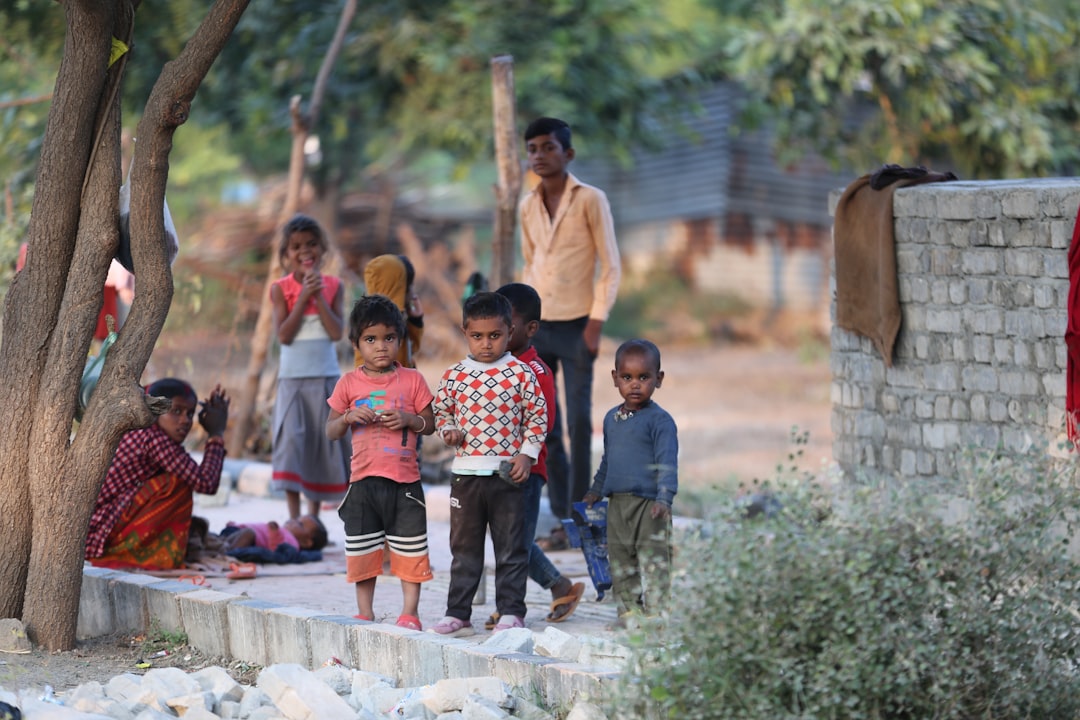
Migration trends further contribute to this decline. Families relocating to urban areas for better job opportunities may choose schools perceived as more reliable or prestigious, exacerbating the enrollment crisis in rural and semi-urban government schools.
Strategies for Enhancing Student Retention in Government Schools
In light of the significant decline in enrollment, Rajasthan’s government must implement strategies to improve student retention in government schools. One approach is to enhance educational quality through targeted investments in teacher training and curriculum development. Focusing on learning outcomes can make schools more attractive to families.
One approach is to enhance educational quality through targeted investments in teacher training and curriculum development.
Increasing parental engagement is also crucial. Schools can foster relationships with parents by involving them in the educational process and keeping them informed about their children’s progress. This engagement can build trust and encourage families to choose government schools over private ones.
Another strategy is to offer incentives for families to keep their children in government schools. This could include scholarships, free meals, or transportation assistance. By alleviating some financial burdens, the government can make public schools a more viable option for families facing economic challenges.
You may also like
 Education & University Insights
UGC Cracks Down on EdTech Partnerships Amid Fake University Concerns
The UGC's recent crackdown on EdTech-university partnerships raises significant concerns for higher education institutions. This action highlights the risks associated with unrecognized collaborations and the…
Read More →
Finally, the government must actively communicate successes and improvements within the public education system. Highlighting success stories and advancements in teaching methods can help shift public perception and encourage families to consider government schools as a competitive choice.
As Rajasthan navigates this educational crisis, the focus must be on creating a system that retains students and prepares them for future challenges. The decline in government school enrollment presents an opportunity for policymakers to rethink and reshape the educational landscape in the state.
The situation in Rajasthan underscores the challenges facing public education in India. As the government addresses these issues, the future of educational policy in the region remains uncertain. Will it reverse this trend and restore confidence in public education, or will the decline continue, impacting the socio-economic fabric of the state?
Effective communication about successes within the public education system is also essential.
Frequently Asked Questions
What are the key factors contributing to the loss of students in Rajasthan’s government schools?
Several key factors have been identified, including changing family structures, economic pressures, and perceptions of educational quality. Parents increasingly prefer private schools, believing they offer better learning outcomes and safer environments.
How can government school administrators address declining enrollment?
Administrators can focus on improving educational quality, enhancing parental engagement, and offering incentives to retain students. Effective communication about successes within the public education system is also essential.

What strategies should education reform advocates consider to improve student retention?
Education reform advocates should emphasize curriculum development, teacher training, and creating partnerships with families. They should also work on improving the overall perception of government schools to attract more students.
You may also like
 Education & University Insights
Punjabi University Offers Executive PhD for Working Professionals
The PhD for Executives program is designed specifically for individuals with substantial professional experience. Applicants must have at least five years in industries registered as…
Read More →