No products in the cart.

India’s Energy Storage Needs Engineers’ Attention | Career Outlook
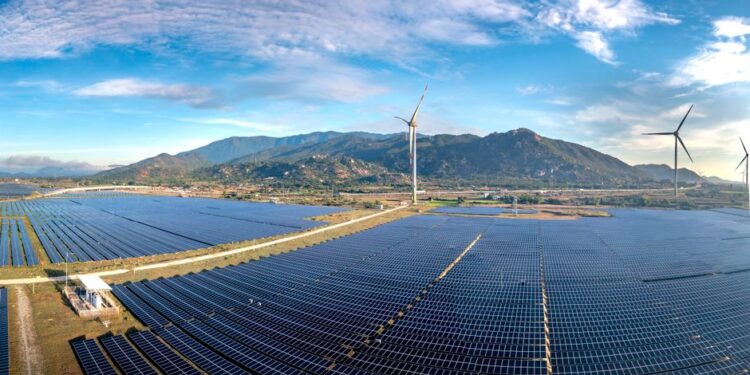
India's green transition is at a critical juncture as the country grapples with a significant gap in long-duration energy storage solutions. This shortage poses challenges for renewable energy engineers and energy storage specialists, emphasizing the need for innovation and specialized training in this area.

India’s green transition faces a major challenge. The country lacks long-duration energy storage solutions. As of May 2026, peak demand reached 270.8 gigawatts (GW). This highlights the urgent need for reliable energy storage systems. These systems must sustain energy supply during low generation periods from solar and wind sources. Current plans include 80 GW of battery storage and 94 GW of pumped hydro storage by 2036. However, these plans only partially address growing energy demand and sustainability goals.
Renewable energy engineers and energy storage specialists must now fill this gap. The current roadmap shows that battery and pumped hydro storage systems have average discharge durations of about 4 and 6 hours, respectively. This limitation raises concerns about these technologies’ effectiveness during peak times when renewable sources are critical.
Current Landscape of Energy Storage Technologies in India
The Long-Term National Resource Adequacy Plan released in 2026 outlines India’s energy storage strategy. However, Career Ahead’s analysis shows that current technologies may not meet long-duration storage needs. Engineers must develop innovative solutions to extend storage durations beyond existing capabilities. Relying on short-duration storage could become economically unfeasible as energy demands rise.
According to Civilsdaily.com, the economic viability of energy storage systems drops significantly when discharge durations exceed six hours. This presents a clear challenge for renewable energy engineers. They must find solutions that meet technical specifications while being cost-effective in the long run. The need for research and development in this sector is more urgent than ever.
Additionally, India’s commitment to its climate goals adds urgency. As noted by JustDecarbonize.com, the shift to renewable energy is hindered by inadequate storage infrastructure. Engineers must create systems that bridge this gap. These systems should ensure effective storage and utilization of renewable energy, especially during low generation periods.
The need for research and development in this sector is more urgent than ever.
You may also like
 Industry & Global Trends
Reliance Retail, 7-Eleven end 5-yr India deal
Reliance Retail and 7-Eleven have concluded their five-year franchise partnership in India, closing nearly 60 convenience stores due to financial losses and increasing competition.
Read More →The potential for innovation in energy storage technologies is vast. Advances in battery technology and alternative storage methods offer significant opportunities. Engineers can develop systems that provide longer discharge durations. This innovation is crucial for meeting energy demands and supporting India’s goals of reducing carbon emissions and enhancing energy security.
As the demand for energy storage solutions grows, partnerships with tech companies can be transformative. Collaboration can lead to cutting-edge technologies that address current systems’ limitations. Engineers must actively pursue these partnerships to drive innovation and create effective long-duration energy storage solutions.
Implications for Renewable Energy Engineers and Specialists
The gap in long-duration energy storage solutions presents challenges and opportunities for renewable energy engineers and specialists in India. Career Ahead research shows that as the energy landscape evolves, professionals must adapt. Current limitations in energy storage technology require engineers to gain new skills and knowledge aligned with emerging trends.
Engineers focusing on renewable energy should prioritize learning about advanced battery technologies and alternative storage methods. Understanding different storage systems, such as flow batteries and compressed air energy storage, will be crucial for developing effective solutions. This shift will enhance their skill sets and increase their marketability in a rapidly changing industry.
Energy storage specialists must also engage in interdisciplinary collaboration. Integrating knowledge from various fields, including materials science and electrical engineering, is essential for developing innovative storage solutions. By fostering collaboration and knowledge-sharing, professionals can create a robust energy storage ecosystem that meets India’s energy transition demands.
As India works to achieve its renewable energy targets, the need for skilled professionals in energy storage will grow.
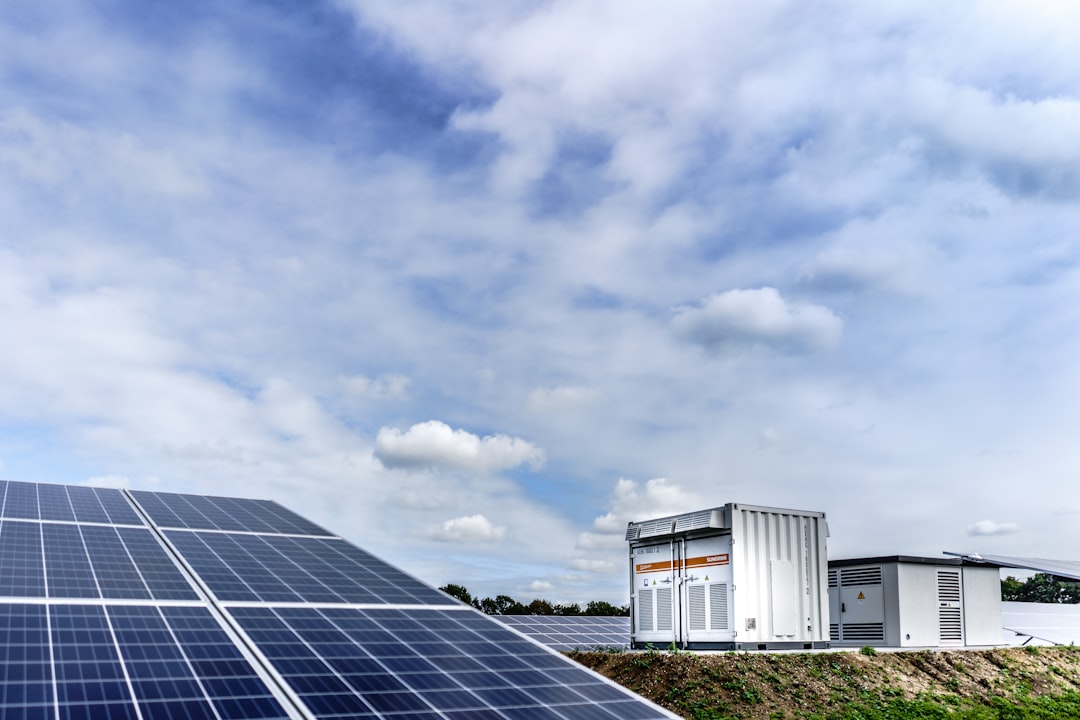
The implications of these developments extend beyond individual careers. As India works to achieve its renewable energy targets, the need for skilled professionals in energy storage will grow. Organizations will seek engineers and specialists who can navigate the complexities of energy storage technologies and contribute to sustainability goals.
You may also like
 Industry & Global Trends
Why Investors Must Adapt to AI-Driven Market Changes
AI stocks are reshaping market dynamics, necessitating a shift in investment strategies as volatility increases and performance diverges across the sector.
Read More →Ultimately, the future of India’s energy transition depends on renewable energy engineers and energy storage specialists to innovate and adapt. The current gap in long-duration energy storage solutions offers a unique chance for professionals to lead in developing effective technologies for a sustainable energy future.
As the energy landscape evolves, the question remains: how will India address its long-duration energy storage needs? This will ensure a reliable and sustainable energy future. The coming years will be crucial for the energy sector. Advancements in technology and policy will shape India’s green transition.
Frequently Asked Questions
What are the best long-duration energy storage technologies available?
Career Ahead’s analysis shows that flow batteries, compressed air energy storage, and pumped hydro storage are among the top solutions for long-duration energy storage. These technologies offer different discharge durations and economic viability for various applications.
Understanding the complexities of various storage technologies will be crucial for effectively meeting India’s energy demands.
How can renewable energy engineers adapt to the storage challenges in India?
Renewable energy engineers can adapt by focusing on advanced battery technologies and alternative storage methods. Gaining expertise in these areas will enhance their skills and prepare them for the evolving energy landscape in India.

What should energy storage specialists focus on to meet India’s energy transition needs?
Energy storage specialists should prioritize interdisciplinary collaboration and knowledge-sharing. Understanding the complexities of various storage technologies will be crucial for effectively meeting India’s energy demands.
You may also like
 Industry & Global Trends
IT Sector Faces Muted Growth Amid AI Deal Challenges
India's leading IT firms, including Tata Consultancy Services (TCS), Infosys, and HCLTech, are expected to report minimal revenue growth in Q2 2026, influenced by geopolitical…
Read More →