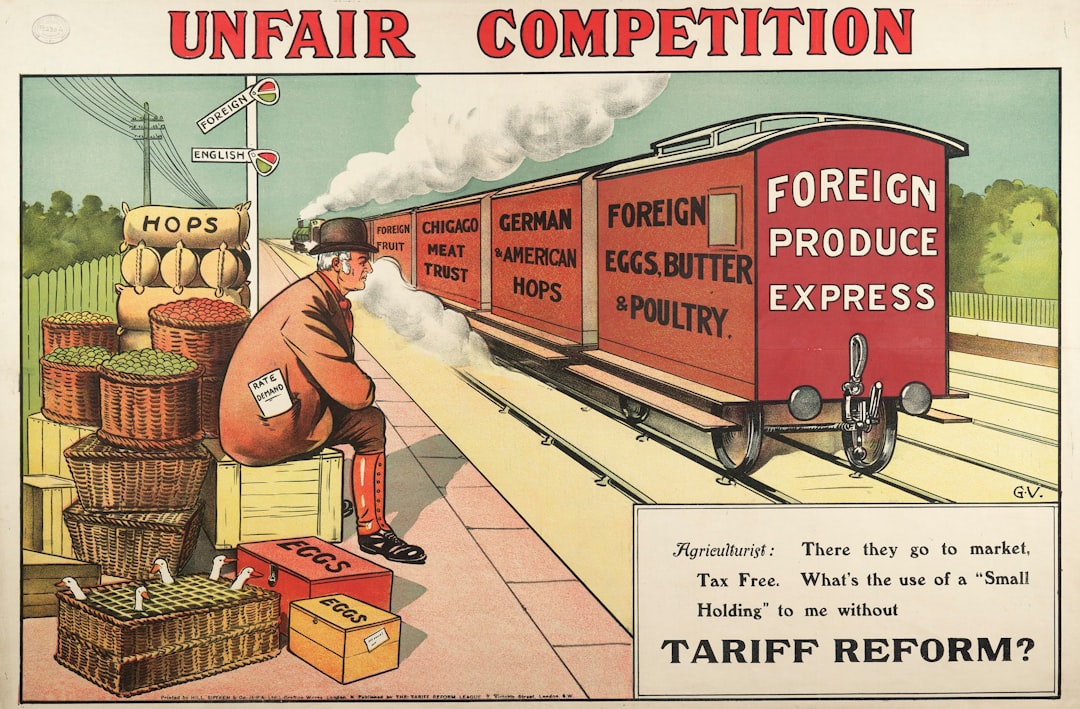
On July 24, 2026, President Trump imposed new tariffs under Section 301 of the Trade Act of 1974, targeting imports from approximately 60 economies. These tariffs, ranging from 10% to 12.5%, are part of a broader strategy to combat forced labor practices in global supply chains. Shortly after their implementation, these tariffs faced immediate legal challenges, raising significant concerns for importers and trade law attorneys navigating the evolving landscape of U.S. trade regulations.
The legal ramifications of these tariffs are profound, as they not only affect the cost of goods but also the compliance requirements for businesses. Importers are now grappling with the potential for increased expenses and the need to adjust their operational strategies. The ongoing court battles over these tariffs will likely set important precedents that could reshape trade law and policy in the United States.
Impact of Legal Challenges on Import Costs
The recent legal challenges to Section 301 tariffs are expected to have a direct impact on import costs for various goods. According to Career Ahead’s analysis of data from the U.S. Trade Representative, tariffs on essential goods, including electronics and textiles, could lead to price increases of up to 15% for consumers. This rise in costs will likely squeeze profit margins for importers who may not be able to pass on these expenses to consumers. As reported by the New York Times, the tariffs are particularly burdensome on industries that rely heavily on imported materials, such as manufacturing and retail, where cost increases can ripple through the supply chain.
Furthermore, the uncertainty surrounding the legal status of these tariffs complicates long-term planning for businesses. Importers must now consider the possibility that these tariffs could be overturned or modified, which would necessitate rapid adjustments in pricing strategies and supply chain logistics. This dynamic creates a precarious environment where businesses must remain agile to adapt to fluctuating costs. The CNBC report highlights that companies are already feeling the pressure to reassess their supply chains and pricing models as they brace for potential legal outcomes that could either alleviate or exacerbate their cost burdens.
Career Ahead research finds that businesses heavily reliant on imports from affected countries may face the steepest challenges. For instance, companies importing goods from China, which is one of the largest sources of imports under these tariffs, may need to explore alternative suppliers or increase inventory levels to mitigate potential disruptions. This shift could lead to a reconfiguration of supply chains and sourcing strategies, as firms seek to minimize their exposure to tariff-related costs. The legal battles could also prompt some businesses to consider relocating production to countries with less stringent trade barriers, further complicating the landscape of international trade.
Career Ahead research finds that businesses heavily reliant on imports from affected countries may face the steepest challenges.
The government’s directive requires financial institutions to implement comprehensive security protocols to protect customer data and maintain trust in the financial system.
Legal experts are closely monitoring the outcomes of these challenges, as they could set new precedents in trade law. If the courts side with the challengers, it could pave the way for a more favorable regulatory environment for importers, reducing the burden of compliance and potentially lowering costs in the long run. Conversely, if the tariffs are upheld, businesses may need to brace for sustained high costs and increased scrutiny from regulators.
Legal Precedents and Future Trade Policy
The legal battles surrounding Trump’s Section 301 tariffs are not just about the tariffs themselves; they are also about the broader implications for trade policy in the United States. Recent court rulings have highlighted the tension between executive power and congressional authority in trade matters. This ongoing litigation could redefine how tariffs are implemented and challenged in the future. As noted in the Bloomberg article, the administration faces accusations of overstepping its authority, which could lead to significant shifts in how trade laws are interpreted and enforced.
For instance, a ruling against the tariffs could signal a shift towards greater congressional oversight in trade decisions, potentially limiting the executive branch’s ability to impose such tariffs unilaterally. This could lead to a more collaborative approach to trade policy, where Congress and the executive branch work together to address issues like forced labor and human rights in global supply chains. The implications of such a shift could extend beyond the current tariffs, influencing future trade agreements and negotiations.
Additionally, the outcomes of these legal challenges may influence future trade negotiations. If the courts find the tariffs unconstitutional or unjustified, it could embolden other countries to challenge U.S. trade practices at the World Trade Organization (WTO) or through bilateral negotiations. This could lead to a reevaluation of trade agreements and tariffs, impacting the global trading landscape. As importers and trade law attorneys navigate these turbulent waters, they must stay informed about the legal proceedings and their potential outcomes. The stakes are high, as the decisions made in these cases will have lasting repercussions for businesses and consumers alike.
Understanding the legal landscape will be crucial for companies looking to maintain compliance and manage costs effectively. For trade law attorneys, these developments present both challenges and opportunities. Attorneys will need to advise clients on how to navigate the complexities of the current trade environment while preparing for potential changes in regulations. As the legal landscape evolves, those who can adapt and provide strategic guidance will be well-positioned to thrive.
RBI Governor Sanjay Malhotra outlines five key priorities to ensure financial stability in a rapidly changing global landscape, emphasizing the interconnectedness of financial systems.
Understanding the legal landscape will be crucial for companies looking to maintain compliance and manage costs effectively.
The ongoing legal challenges to Section 301 tariffs will undoubtedly shape the future of U.S. trade policy. As courts deliberate on these cases, the question remains: how will the outcomes impact the balance of power in trade negotiations and the operational landscape for importers? The coming months will be critical as businesses and legal professionals alike prepare for a potentially transformative period in U.S. trade relations.
Frequently Asked Questions
What are the potential outcomes of the legal challenges to Section 301 tariffs?
Career Ahead analysis indicates that the potential outcomes range from the tariffs being upheld, which would maintain current import costs, to their nullification, which could lead to reduced costs for importers and a reevaluation of trade practices.
How can trade law attorneys prepare for changes in tariff regulations?
Trade law attorneys should stay informed about ongoing legal proceedings and analyze the implications of court rulings on their clients’ operations. Developing flexible strategies will be key to navigating potential changes in regulations.
What should importers do to mitigate risks associated with ongoing tariff disputes?
Importers should assess their supply chains and consider diversifying their sources to reduce reliance on affected countries. Additionally, they should monitor legal developments closely to adjust their compliance strategies accordingly.



Government & Policy
Government & Policy