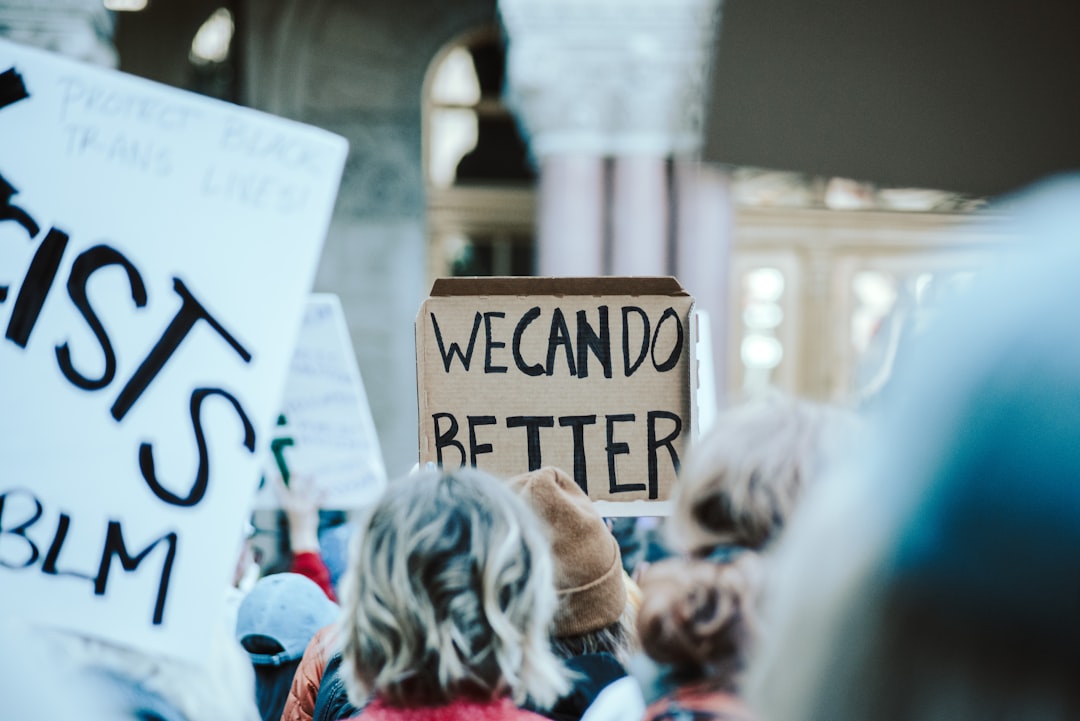
The BMS, affiliated with the RSS, argues that current wage structures are inadequate given the rising cost of living and has announced a nationwide strike for August 17, 2026.
India’s labor union, the Bharatiya Mazdoor Sangh (BMS), has announced a nationwide strike for August 17, 2026. They demand a minimum monthly wage of ₹30,000 for unskilled workers. This protest aims to address job security for contract workers, higher pensions, and better wage ceilings for employee benefits.
The BMS is linked to the Rashtriya Swayamsevak Sangh (RSS). They argue that current wages are too low given the rising cost of living. Pawan Kumar, the national vice president of BMS, said the demands reflect the urgent need for better labor conditions in India. He pointed out that existing minimum wages do not match inflation rates or workers’ basic needs, making it hard for families to get by.
Rising Wage Demands and Economic Context
The demand for a ₹30,000 minimum wage is significant in India’s changing labor market. Recent data shows that minimum wages for unskilled workers in major cities range from ₹18,000 to ₹23,000. This increase highlights the growing gap between wages and living costs, pushing workers to seek fair pay. A report by Livemint notes that the BMS’s demands respond to rising costs of essential goods and services, which have outpaced wage growth.
Career Ahead’s analysis shows that the BMS’s demands are part of a broader trend for higher pay in labor-intensive industries across India. The push for a ₹30,000 minimum wage signals a shift in employer practices. Unions are advocating for pay that reflects inflation and living expenses. The BMS also calls for raising the minimum pension under the Employees’ Pension Scheme from ₹1,000 to ₹7,500. This change would help retirees maintain a basic standard of living, especially as many face financial insecurity later in life. Many retirees rely solely on their pensions, which have not kept pace with inflation.
Recent data shows that minimum wages for unskilled workers in major cities range from ₹18,000 to ₹23,000.
Remote workers are increasingly targeted by sophisticated scams involving fake job offers and OTP requests. Understanding these tactics is crucial for freelancers and digital marketers…
Additionally, the union wants to raise the wage ceiling for the Employees’ Provident Fund (EPF) from ₹15,000 to ₹30,000. They also seek to increase the Employees’ State Insurance (ESI) ceiling from ₹21,000 to ₹42,000. These changes would benefit more workers, providing better support during unemployment or illness. The BMS argues that these reforms are vital for protecting workers and their families, especially in a country with a large informal workforce.
Implications for Blue-Collar Workers and Unions
The BMS’s demands have significant implications for blue-collar workers and union members in manufacturing. As companies respond to changing economic conditions, the push for a ₹30,000 minimum wage could shift hiring practices. Employers may need to rethink their compensation strategies to attract and keep talent in a competitive labor market. The BMS’s focus on job security for contract workers highlights a key issue in India’s labor landscape. Many workers in manufacturing and other sectors are on contracts, lacking benefits and protections of permanent employees. The demand for equal pay for equal work seeks to address this inequality, advocating for fair treatment for all workers.
The union’s ability to mobilize workers and gain public support will be key to the protest’s success.
Career Ahead research suggests that as unions like the BMS gain momentum, other labor organizations may follow suit. They might advocate for similar wage increases and job security measures. This trend could empower workers to stand up for their rights and negotiate better terms with employers. However, there are concerns about how businesses will react. Some companies might turn to automation or cut their workforce to manage higher labor costs. This could lead to job losses, especially in sectors that rely on unskilled labor. Thus, the outcome of these protests will be crucial for the future of labor relations in India.
As the August 17 strike nears, the BMS plans to evaluate its strength and strategize based on the government’s response. The union’s ability to mobilize workers and gain public support will be key to the protest’s success. The BMS’s demands are about immediate financial relief and establishing a framework for sustainable labor rights in a changing economy.
U.S. stocks rose following a weak jobs report that tempered expectations for Federal Reserve interest rate hikes. This shift in market sentiment is crucial for…
The upcoming strike by the BMS is a pivotal moment for labor rights in India. It reflects workers’ immediate concerns and signals a potential shift in labor relations. The demands for a ₹30,000 minimum wage and better job security show a growing awareness among workers about their rights and the need for fair treatment. If successful, these demands could inspire other unions and labor organizations to push for similar changes, reshaping labor rights in the country.
Looking ahead, the government’s response to the BMS’s demands will be critical. Will they engage in meaningful talks with labor representatives, or dismiss these concerns as too costly? The answers will shape not only the future of the BMS but also the broader movement for labor rights in India. The implications of this strike go beyond immediate wage issues; they represent a growing demand for dignity and respect in the workplace. As workers rally for their rights, the coming weeks will be crucial in shaping labor relations in India.
The demand for a ₹30,000 minimum wage aims to raise earnings for blue-collar workers, especially unskilled laborers.
Frequently Asked Questions
How will the ₹30,000 minimum wage affect my earnings as a blue-collar worker?
The demand for a ₹30,000 minimum wage aims to raise earnings for blue-collar workers, especially unskilled laborers. If implemented, this wage would provide a more livable income, helping workers meet their basic needs.
What benefits can union members expect from the higher pension demands?
Union members can expect higher pensions under the Employees’ Pension Scheme if the BMS’s demands are met. The proposed increase to ₹7,500 would ensure better financial security for retirees, linking pensions to inflation through the Variable Dearness Allowance.
What steps should blue-collar workers take to prepare for the upcoming strike?
Blue-collar workers should stay informed about the BMS’s plans and engage in discussions within their communities. Connecting with fellow workers and understanding the demands can help build solidarity before the strike.



News
 News
News