No products in the cart.

Boeing 737 Max Inspections Ordered for Fuselage Cracks
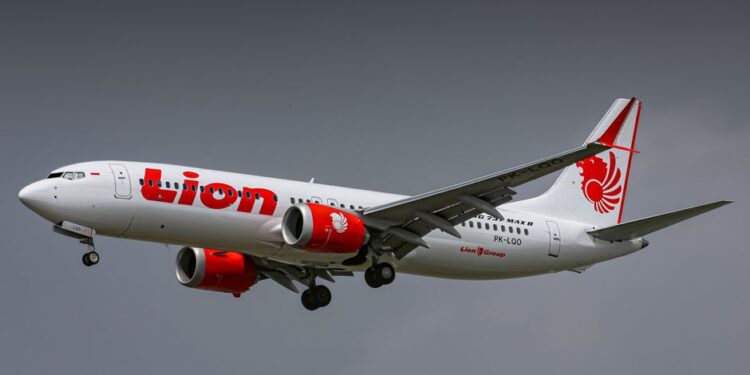
The FAA has mandated inspections of Boeing 737 Max fuselages for potential cracks, affecting 471 aircraft. This directive underscores ongoing safety concerns and may disrupt airline operations.

The Federal Aviation Administration (FAA) has ordered inspections of Boeing 737 Max fuselages for possible cracks. This affects about 471 aircraft. The directive was issued on August 7, 2026, due to concerns about structural integrity linked to earlier Boeing models. Inspections will start in September 2026. The FAA aims to ensure safety and compliance in aviation.
This action follows previous issues in older Boeing models, where cracks were found in a part called the bear strap. This part supports the fuselage around exit doors. Although no cracks have been reported in the 737 Max fleet, the FAA’s decision reflects the model’s similar design, which could lead to vulnerabilities. The FAA warned that without these inspections, the aircraft’s structural integrity could be severely compromised.
Understanding the Inspection Protocols for Fuselage Cracks
The FAA’s airworthiness directive includes specific inspection protocols for Boeing 737 Max operators. These inspections aim to find any cracks in the fuselage that could threaten safety. Operators will conduct visual inspections and may need to perform detailed assessments using advanced techniques if they find any damage.
According to aviationa2z.com, these inspections are crucial. They help identify and fix issues before they worsen. The FAA mandates that airlines document their findings and report any cracks to the FAA quickly. This process is vital for maintaining compliance with safety regulations and ensuring aircraft remain airworthy.
Boeing will closely monitor the inspections and support airlines throughout this process. The company has been proactive in addressing safety concerns since the 737 Max was grounded after two tragic crashes in 2018 and 2019. Boeing’s collaboration with airlines aims to enhance safety measures and improve the aircraft’s reliability.
Ch-aviation.com highlights that these inspections are not just regulatory requirements; they reflect a broader commitment to safety in aviation. As inspections begin, airlines must allocate resources and adjust maintenance schedules. This may lead to temporary operational disruptions as airlines prioritize safety over efficiency.
Additionally, the FAA’s directive may set a precedent for future inspections of other aircraft models.
Additionally, the FAA’s directive may set a precedent for future inspections of other aircraft models. As the aviation industry recovers from the COVID-19 pandemic, maintaining high safety standards is crucial for restoring passenger confidence and ensuring reliability.
You may also like
 News
NewsFor‑Profit Online Colleges Face Scrutiny Over High Dropout Rates and Student Debt
2026 investigations show for‑profit online colleges have graduation rates below 20 % and average student debt over $30,000, prompting regulatory scrutiny.
Read More →Impact on Airline Operations and Maintenance Schedules
The mandated inspections will significantly impact airline operations, especially for those with large Boeing 737 Max fleets. As inspections start, airlines will face challenges in managing schedules and ensuring aircraft availability. This could result in flight cancellations or delays, affecting both airlines and passengers.
Techtimes.com reports that the inspections will be time-consuming. Airlines will need to allocate enough manpower and resources to complete them effectively. Some aircraft may need to be temporarily grounded for thorough inspections, straining operational capabilities. This is particularly relevant for airlines that rely heavily on the 737 Max for short-haul routes.
Furthermore, the inspections may increase costs for airlines. With added maintenance checks and potential repairs, airlines must budget for these unexpected expenses. This financial strain comes as many airlines are still recovering from the pandemic’s economic fallout, making resource management even more critical.
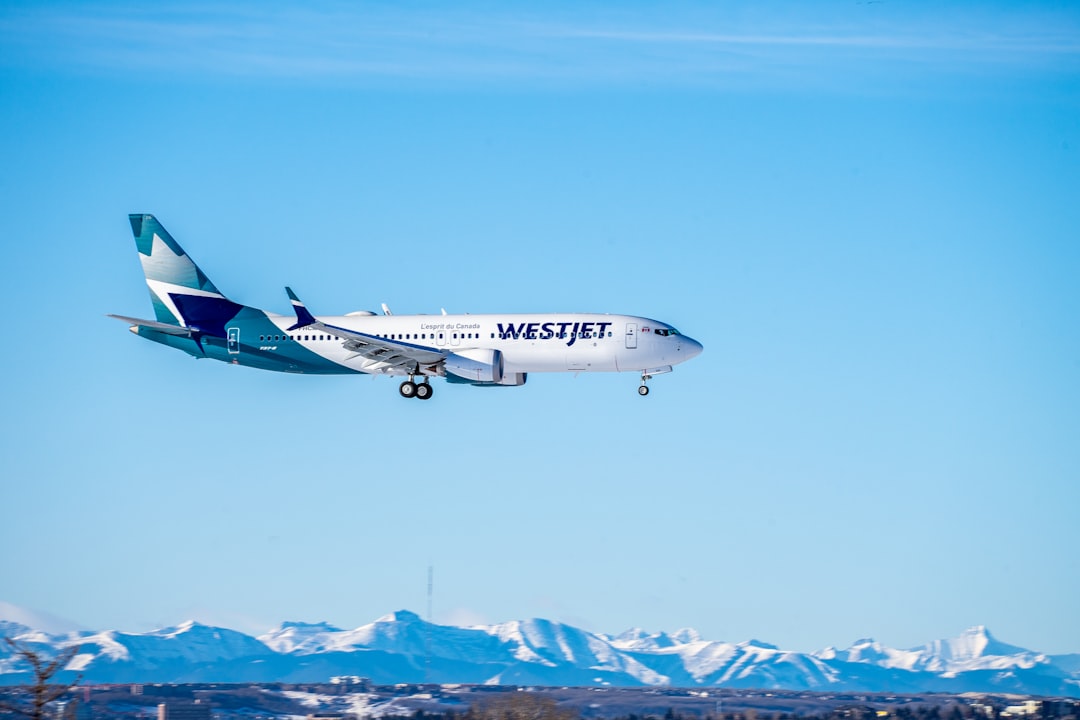
The FAA’s directive may also prompt airlines to reassess their maintenance practices. As safety becomes a primary focus, airlines might invest in new technologies and training for maintenance technicians. This shift could lead to long-term improvements in safety standards across the industry.
Career Ahead’s analysis suggests that increased scrutiny on the 737 Max could create a ripple effect throughout aviation. As airlines adapt to new inspection requirements, other aircraft manufacturers may face similar regulatory pressures, prompting a broader reassessment of safety practices.
Regulatory Compliance and Future Implications The FAA’s airworthiness directive is crucial for ensuring regulatory compliance in aviation.
Regulatory Compliance and Future Implications
The FAA’s airworthiness directive is crucial for ensuring regulatory compliance in aviation. By mandating inspections for the Boeing 737 Max, the FAA emphasizes the importance of high safety standards. This directive reminds us that regulatory bodies play a vital role in overseeing aircraft safety and operational integrity.
You may also like
 News
NewsUS Employers Unexpectedly Shed Jobs; Unemployment Rate Falls
The implications of these job cuts extend beyond just numbers. They reflect a broader trend affecting recruitment strategies, economic forecasts, and investment decisions.
Read More →As airlines navigate these new inspection protocols, they must adhere to regulatory requirements. Non-compliance could lead to severe consequences, including fines and grounding of aircraft, further impacting operations. Airlines must prioritize these inspections to avoid disruptions and maintain their safety reputations.
Moreover, ongoing scrutiny of Boeing and its aircraft models will likely continue to shape regulatory policies in aviation. The FAA’s actions may lead to stricter regulations for other manufacturers as the industry works to enhance safety standards.
In the long term, the focus on safety and compliance may drive innovation in aviation. Airlines may invest in advanced technologies for inspections and maintenance, leading to improved efficiencies and reduced downtime. This could ultimately benefit both airlines and passengers by ensuring safer and more reliable air travel.
The implications of these inspections go beyond immediate operational challenges. They signal a shift in aviation’s approach to safety, emphasizing proactive measures to prevent issues. As the industry learns from past mistakes, the commitment to safety will likely define future aviation practices.
This requires careful resource management to ensure operational efficiency.
As the FAA’s inspections begin, the aviation industry will be watching closely. Will these measures lead to a renewed focus on safety that reshapes operational standards? The coming months will show how airlines adapt to these challenges and the long-term effects on the industry.
Frequently Asked Questions
What are the steps for inspecting Boeing 737 Max fuselages for cracks?
The inspection process includes visual checks and detailed assessments if cracks are found. Airlines must document findings and report any issues to the FAA quickly.
How will this fuselage inspection affect airline maintenance schedules?
You may also like
 News
NewsOMCs refute chloride contamination, excess moisture in E20 fuel
India's oil marketing companies (OMCs) have firmly rejected allegations of chloride contamination and excess moisture in E20 fuel, following concerns raised by the Society of…
Read More →Airlines may need to ground some aircraft temporarily for inspections, leading to potential flight cancellations and delays. This requires careful resource management to ensure operational efficiency.
What should aerospace engineers consider regarding fuselage integrity in design?
Aerospace engineers must prioritize structural integrity in design to prevent vulnerabilities. Learning from past issues can guide future design choices and enhance safety standards.