No products in the cart.

OMCs refute chloride contamination, excess moisture in E20 fuel
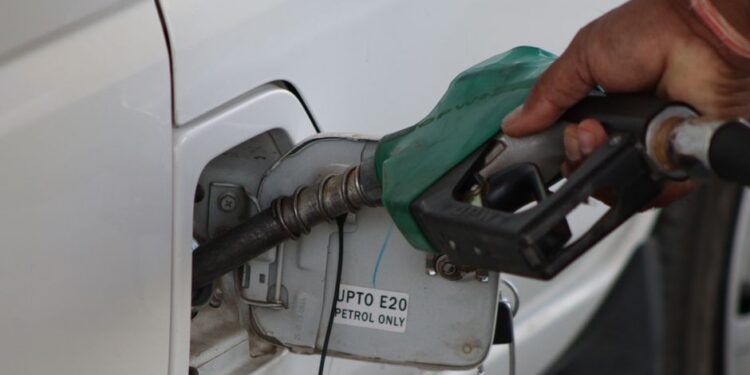
India's oil marketing companies (OMCs) have firmly rejected allegations of chloride contamination and excess moisture in E20 fuel, following concerns raised by the Society of Indian Automobile Manufacturers (SIAM).

India’s oil marketing companies (OMCs) have firmly rejected allegations of chloride contamination and excess moisture in E20 fuel. On August 7, 2026, OMCs, including IndianOil, Bharat Petroleum, and Hindustan Petroleum, asserted that extensive testing conducted across multiple points in the supply chain confirmed that chloride levels remained within acceptable limits.
The OMCs made this statement following concerns raised by the Society of Indian Automobile Manufacturers (SIAM), which initially flagged potential issues with vehicle parts experiencing wear due to chloride presence in E20 fuel. However, SIAM later retracted its letter, stating that the data cited required further authentication, indicating the complexity of the situation. This retraction highlights the challenges faced by regulatory bodies in ensuring accurate information dissemination regarding fuel quality.
Testing Results and Quality Assurance
According to the OMCs, rigorous testing was carried out at retail outlets, refineries, and during ethanol procurement. They reported that 100 random petrol samples from various refineries showed chloride content at or below 1 parts per million (ppm). Additionally, tests on 80 ethanol and E20 samples revealed chloride levels consistently below 3 ppm, which is significantly lower than the threshold that would raise concerns. This data aligns with findings from various independent testing agencies that have consistently validated the quality of E20 fuel.
Furthermore, a dedicated task force involving members from the OMCs and the Centre for High Technology (CHT) conducted inspections of ethanol samples from 80 distilleries across India. The results reaffirmed that all tested samples had chloride content well below the prescribed specifications, ensuring that the quality of E20 fuel remains intact. The thoroughness of this testing process underscores the OMCs’ commitment to maintaining high standards in fuel quality, especially as the market shifts towards more sustainable fuel options.
The OMCs emphasized that the quality assurance process is ongoing, with mandatory inspections of underground storage tanks at around 90,000 retail outlets. These inspections are conducted 8 to 12 times daily, focusing on preventing water ingress, which could lead to contamination issues. This proactive approach to quality control is crucial for maintaining consumer confidence in E20 fuel, especially as the automotive industry increasingly relies on this blended fuel. With the push for more environmentally friendly fuels, the integrity of E20 fuel is vital for both manufacturers and consumers.
Reports from outlets such as Outlook Business emphasize that the OMCs’ testing results are consistent with regulatory expectations, further reinforcing the credibility of their claims.
As environmental regulators scrutinize fuel quality, the OMCs’ commitment to rigorous testing and transparency serves as a critical defense against contamination claims. The assurance of E20’s quality is essential not only for consumer trust but also for compliance with environmental standards. Reports from outlets such as Outlook Business emphasize that the OMCs’ testing results are consistent with regulatory expectations, further reinforcing the credibility of their claims.
Regulatory Implications and Future Monitoring
The rejection of contamination claims by OMCs has significant implications for regulatory frameworks governing fuel quality in India. With the increasing adoption of E20 fuel, which contains 20% ethanol, maintaining stringent quality standards is paramount to ensure environmental safety and vehicle performance. The government’s push for ethanol blending as part of its renewable energy strategy necessitates that OMCs remain vigilant in their quality assurance processes.
Career Ahead’s analysis finds that ongoing monitoring and compliance will be crucial as the government pushes for greater adoption of ethanol-blended fuels. The recent testing results suggest that the current regulatory framework is effective, but continuous oversight will be necessary to address any future concerns that may arise. Moreover, the automotive industry must adapt to these evolving standards. As E20 fuel becomes more prevalent, vehicle manufacturers will need to ensure that their products are compatible with this fuel blend. This may involve redesigning components to mitigate any potential issues related to chloride exposure that were initially flagged by SIAM.
As environmental regulators tighten standards, fuel quality analysts will play a critical role in ensuring compliance. Their expertise will be essential in conducting thorough testing and providing insights into potential risks associated with fuel contamination. This could lead to an increased demand for skilled professionals in the field, as the industry adapts to new regulations and consumer expectations. The broader implications of these developments suggest a shift in how fuel quality is monitored and regulated in India. Enhanced collaboration between OMCs, automotive manufacturers, and regulatory bodies will be necessary to ensure that E20 fuel meets both environmental and performance standards.

As the market evolves, the focus will not only be on maintaining fuel quality but also on addressing consumer concerns and ensuring that the transition to greener fuels does not compromise vehicle reliability. With the automotive industry and regulatory bodies closely watching the developments surrounding E20 fuel, the future of fuel quality standards in India remains uncertain. Stakeholders must be vigilant in monitoring the situation to prevent any potential fallout from contamination claims. The assurance provided by OMCs, as reported by Indian Express, indicates a commitment to transparency and accountability that is essential for fostering trust in the evolving fuel landscape.
The recent testing results suggest that the current regulatory framework is effective, but continuous oversight will be necessary to address any future concerns that may arise.
The integrity of E20 fuel is crucial for fuel quality analysts and environmental regulators. As concerns about contamination arise, maintaining rigorous testing and quality assurance becomes essential for consumer trust and regulatory compliance. With the automotive industry increasingly reliant on E20, understanding the implications of these developments will be vital for professionals in the field. The ongoing monitoring and regulatory adjustments will shape the future landscape of fuel quality standards in India. As the situation evolves, stakeholders must remain proactive in addressing any potential issues to safeguard both environmental standards and consumer interests.
Frequently Asked Questions
What are the testing standards for E20 fuel quality?
Testing standards for E20 fuel quality involve rigorous assessments conducted at various points in the supply chain, including refineries and retail outlets. The OMCs have confirmed that chloride levels in E20 fuel are consistently maintained below 3 ppm, ensuring compliance with regulatory requirements.
How does moisture affect fuel performance and emissions?
Excess moisture in fuel can lead to engine performance issues, including corrosion and reduced efficiency. It can also increase emissions, impacting environmental standards. The OMCs have reported that their testing shows no evidence of water ingress in the fuel supply.
What should fuel quality analysts do in response to contamination claims?
Fuel quality analysts should conduct thorough testing and monitoring to ensure compliance with quality standards. They must also stay informed about regulatory changes and collaborate with OMCs to address any potential contamination issues proactively.
Related Articles
Written by Career Ahead AI. AI can make mistakes, so verify key facts. Report errors to support@careeraheadonline.com.