No products in the cart.

Budget Recap: Income Tax Relief Announced
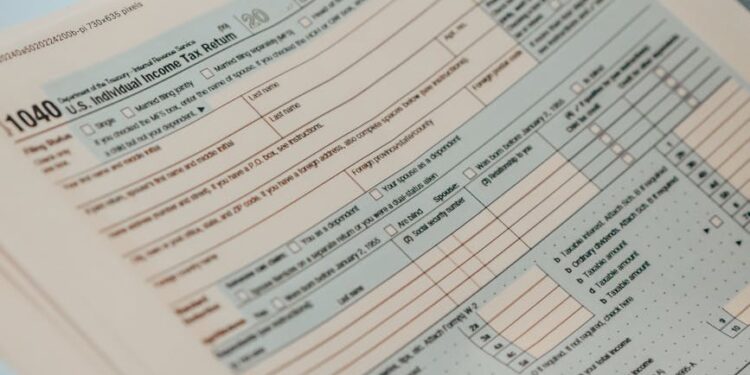
Explore the income tax relief measures introduced by FM Nirmala Sitharaman in Budget 2025 and their implications for taxpayers.

New Delhi, India — The recent budget announcement by Finance Minister Nirmala Sitharaman has significant implications for taxpayers. Last year, the Budget 2025 brought several tax relief measures that aimed to ease the financial burden on individuals and families. As we look ahead to Budget 2026, understanding these changes is crucial for taxpayers across the country. The relief measures not only affect take-home pay but also influence spending habits and financial planning for millions of Indians.
In Budget 2025, FM Sitharaman introduced a series of changes that directly impacted income tax slabs, exemptions, and deductions. The most notable adjustment was the increase in the basic exemption limit, which rose from ₹2.5 lakh to ₹3 lakh for individuals below 60 years of age. For senior citizens, the exemption limit was increased to ₹4 lakh. This change alone put more money in the hands of taxpayers, allowing them to allocate funds towards savings or essential expenditures.
Moreover, the government expanded the scope of tax deductions under Section 80C. Previously capped at ₹1.5 lakh, the limit was increased to ₹2 lakh. This adjustment benefits individuals contributing to various savings schemes, including Public Provident Fund (PPF), National Pension Scheme (NPS), and life insurance premiums. With this increase, taxpayers can now save more on their taxable income, encouraging a culture of savings and investment.
Budget 2025: Key Tax Relief Measures
In addition to the changes in exemption limits and deductions, Budget 2025 saw the introduction of new tax credits aimed at specific demographics. For instance, a new credit of ₹25,000 was introduced for taxpayers investing in green energy solutions for their homes. This initiative not only promotes sustainable living but also provides financial relief to those making eco-friendly choices.
By allowing a standard deduction, the government acknowledges the rising cost of living and aims to provide some relief to the working class.
Furthermore, the budget included provisions for a standard deduction of ₹50,000 for salaried individuals. This deduction simplifies the tax filing process and ensures that lower-income earners are not disproportionately affected by taxation. By allowing a standard deduction, the government acknowledges the rising cost of living and aims to provide some relief to the working class.
As we await the upcoming Budget 2026, taxpayers are eager to know whether these relief measures will be extended or if new initiatives will be introduced. The expectations are high, especially considering the ongoing economic recovery post-pandemic. Analysts predict that the government may further enhance tax relief measures to stimulate consumer spending and boost economic growth.
You may also like
 Government & Policy
AI Whistleblowers Challenge Google, OpenAI, Meta Regulations
The policy allows whistleblowers to report unethical practices in AI development, potentially earning a share of fines imposed on companies that violate these new regulations.
Read More →Anticipating Budget 2026: What’s Next for Taxpayers?
Looking ahead to Budget 2026, there are several factors that could shape the financial landscape for taxpayers. First, the government’s focus on economic recovery will likely influence the extent of tax relief measures. With inflation and rising costs affecting daily life, there is a strong case for the continuation of tax benefits introduced in Budget 2025.
Moreover, the government may consider introducing new tax incentives aimed at fostering innovation and entrepreneurship. As India positions itself as a global startup hub, financial support for small businesses could be a priority in the upcoming budget. This would not only benefit entrepreneurs but also create job opportunities and stimulate economic growth.
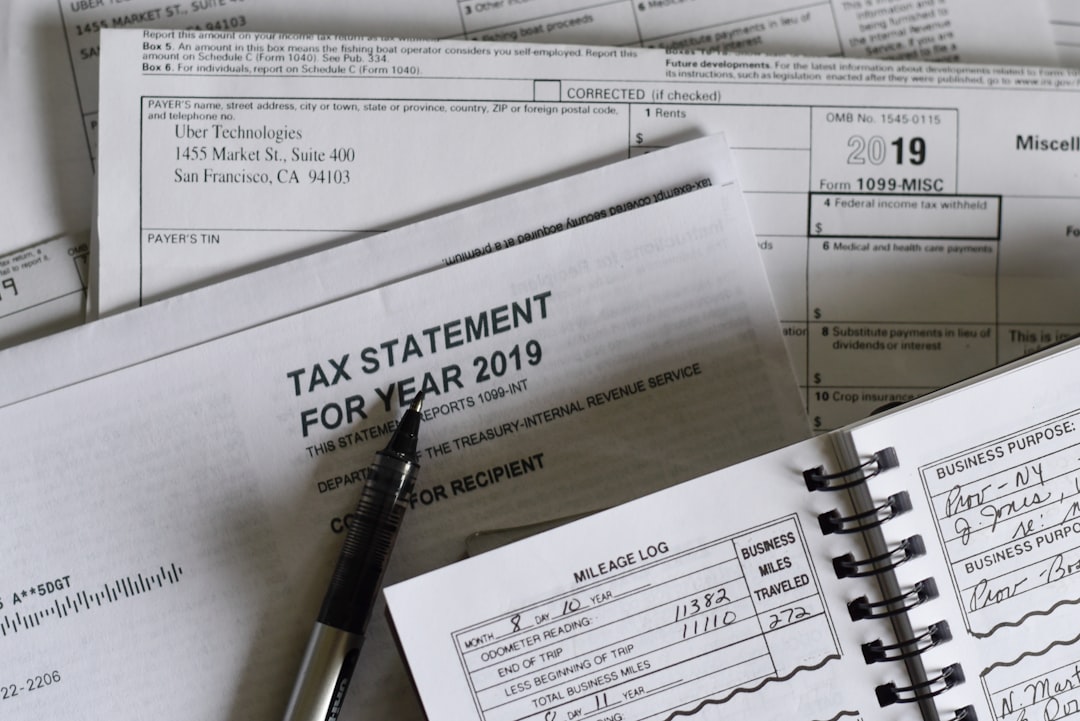
Another area of focus could be the digital economy. With the rapid growth of e-commerce and digital transactions, the government might look to simplify tax regulations for online businesses. This could include tax relief for startups in the tech sector, encouraging more investments and innovation.
With the rapid growth of e-commerce and digital transactions, the government might look to simplify tax regulations for online businesses.
- Stay Informed: Keep an eye on the announcements leading up to Budget 2026. Understanding potential changes can help you adjust your financial plans accordingly.
- Review Financial Goals: With the possibility of new tax relief measures, now is the time to reassess your financial goals and consider how these changes could impact your savings and investments.
- Engage with Financial Advisors: Consulting with financial experts can provide personalized insights into how budget changes may affect your tax situation and overall financial health.
However, some experts caution that while tax relief measures can provide immediate benefits, they may not address long-term economic challenges. According to a report by the World Bank, sustainable economic growth requires a balanced approach to taxation and public spending. Relying too heavily on tax cuts could lead to budget deficits that may affect future government spending on essential services.
Looking Ahead: The Future of Tax Policy in India
As we look towards the future, the evolution of tax policy in India will be critical in shaping the economic landscape. With growing demands for transparency and accountability, taxpayers are increasingly advocating for a fair tax system that benefits all citizens. The upcoming Budget 2026 will be a pivotal moment for the government to address these concerns and demonstrate its commitment to economic growth and social equity.
You may also like
 News
NewsJobs Slow but Inflation Keeps Fed on Alert
In September, the economy added just 150,000 jobs, a stark contrast to the 200,000 jobs analysts had predicted. This slowdown comes amid ongoing inflationary pressures,…
Read More →Will the government take bold steps in Budget 2026 to further alleviate the tax burden on citizens? The answers to these questions will not only impact individual finances but also the broader economic health of the nation.