No products in the cart.

Musk and Altman Face Off in OpenAI Legal Battle
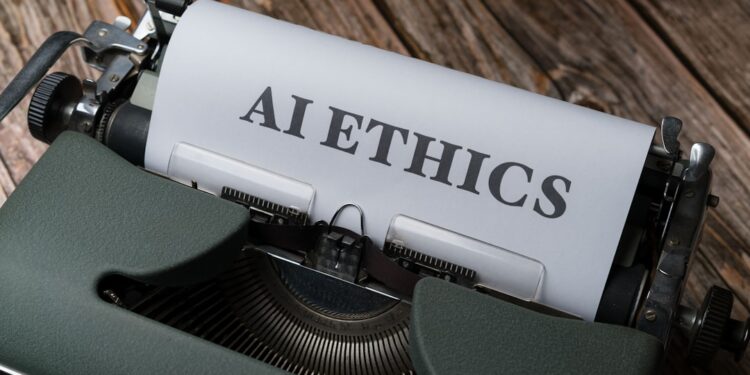
The trial between Elon Musk and Sam Altman is reshaping the future of OpenAI. Key insights into AI ethics, business strategies, and industry impacts.

High-Stakes Legal Drama
California — The courtroom is abuzz as Elon Musk and Sam Altman face off in a trial that could redefine the future of OpenAI. Musk, a co-founder of the AI company, accuses Altman and his team of abandoning their original mission to develop artificial intelligence for the benefit of humanity. Instead, Musk claims they have prioritized profits over public good. This legal battle is not just about corporate governance; it’s a reflection of broader ethical dilemmas in the rapidly evolving field of artificial intelligence.
The trial began on April 27, 2026, with jury selection already revealing biases against Musk. Prospective jurors expressed negative opinions about him, which could impact the trial’s outcome. According to NPR, Musk’s legal team is focused on proving that OpenAI has strayed from its foundational goals. This case comes at a time when public trust in AI technologies is crucial, making the stakes even higher for both Musk and Altman.
As the trial unfolds, the implications for the tech industry and AI governance are profound. The outcome could set precedents affecting how AI companies operate and are held accountable. The legal questions raised in this case resonate with ongoing debates about the ethics of artificial intelligence and corporate responsibility.
Core Issues of the Lawsuit
At the heart of Musk’s lawsuit is a belief that OpenAI has deviated from its mission. He argues that the company, originally founded as a non-profit to ensure safe and beneficial AI, has shifted towards a profit-driven model. According to ABC News, Musk is seeking to remove Altman and co-founder Greg Brockman from their positions, asserting that they have mismanaged the organization.
This contention raises important questions about the governance of AI organizations. Should companies prioritize profit, or should they be held to a higher ethical standard? Musk’s perspective aligns with a growing concern among AI ethicists who worry about the potential for AI technologies to cause harm if not developed responsibly. The trial could serve as a litmus test for the industry’s commitment to ethical practices.
The legal outcomes of this trial may influence future policies governing AI development, potentially leading to stricter regulations aimed at ensuring that AI serves the public good.
You may also like
 Entrepreneurship & Business
Nscale Hires Meta’s Justin Osofsky to Be COO Ahead of IPO
Nscale has appointed Justin Osofsky as COO, leveraging his extensive experience from Meta to enhance operational efficiency ahead of its IPO. This strategic hiring reflects…
Read More →Moreover, the case highlights the tension between innovation and regulation. As AI technologies advance, the need for clear regulatory frameworks becomes more pressing. The legal outcomes of this trial may influence future policies governing AI development, potentially leading to stricter regulations aimed at ensuring that AI serves the public good.
Contradictions in AI Ethics
The Musk-Altman trial is not just a personal dispute; it embodies the larger contradictions in the AI community. On one side, Musk advocates for a return to ethical roots, while Altman maintains that innovation requires flexibility and profit motives. This divergence reflects a broader debate within the tech industry about the balance between ethical responsibility and business viability.
Critics argue that Musk’s lawsuit could stifle innovation. They believe that holding companies to rigid ethical standards may hinder their ability to compete and innovate. This perspective suggests that the market should dictate the direction of AI development, rather than legal mandates. However, proponents of ethical AI argue that without accountability, companies may prioritize profits over safety, leading to potential societal harm.
As the trial progresses, both sides will likely present evidence that underscores their viewpoints. Musk’s team may highlight instances where OpenAI has made decisions that seem to prioritize revenue over ethical considerations. In contrast, Altman’s defense will likely focus on the necessity of funding and investment to drive technological advancements. This clash of ideologies sets the stage for a significant legal and ethical showdown.
This outcome could embolden other tech leaders to pursue aggressive business strategies without fear of legal repercussions.
Potential Changes in AI Governance
The outcome of the Musk vs. Altman trial has the potential to reshape AI governance. If Musk prevails, it could lead to increased scrutiny and regulation of AI companies, compelling them to adhere more closely to ethical guidelines. This shift could foster a new era of accountability in the tech industry, where companies are required to prioritize ethical considerations alongside profit.
You may also like
 Entrepreneurship & Business
Amazon Launches Ultra-Fast Delivery in 120+ Indian Cities
Amazon has expanded its ultra-fast delivery service, Amazon Now, to over 120 cities in India, doubling its reach in just two weeks. This growth signifies…
Read More →Alternatively, if Altman wins, it may reinforce the idea that innovation should not be hampered by ethical constraints. This outcome could embolden other tech leaders to pursue aggressive business strategies without fear of legal repercussions. The implications of this trial extend beyond OpenAI, influencing how all AI companies approach governance and ethical responsibility.

As AI technologies continue to evolve, the need for a balanced approach to governance becomes increasingly critical. The legal precedents set by this case could guide future legislation and corporate policies, shaping the landscape of AI for years to come.
Contextualizing the AI Landscape
The trial occurs within a broader context of rapid advancements in AI technology. As companies race to develop more sophisticated AI systems, the ethical implications of these technologies have come under scrutiny. The public’s growing awareness of AI’s potential risks has led to calls for greater transparency and accountability.
A ruling in favor of Musk could enhance public trust in the ethical development of AI, while a victory for Altman might reinforce skepticism about corporate motives in the tech industry.
Furthermore, the competition between AI firms is intensifying. With major players like Google, Microsoft, and Amazon investing heavily in AI, the pressure to deliver innovative products can overshadow ethical concerns. This competitive landscape complicates the narrative around Musk and Altman, as both are operating within a system that rewards rapid advancement.
As the trial unfolds, it will be essential to consider how the outcomes may influence public perception of AI companies. A ruling in favor of Musk could enhance public trust in the ethical development of AI, while a victory for Altman might reinforce skepticism about corporate motives in the tech industry.
You may also like
 Entrepreneurship & Business
Last Chance to Apply for a Side Event at Founder Summit 2026
The Founder Summit will take place from November 1 to November 7, 2026. It will gather key figures in the tech community, including founders, investors,…
Read More →