No products in the cart.

Cambridge Revises Academic Hiring Amid Plagiarism Probe
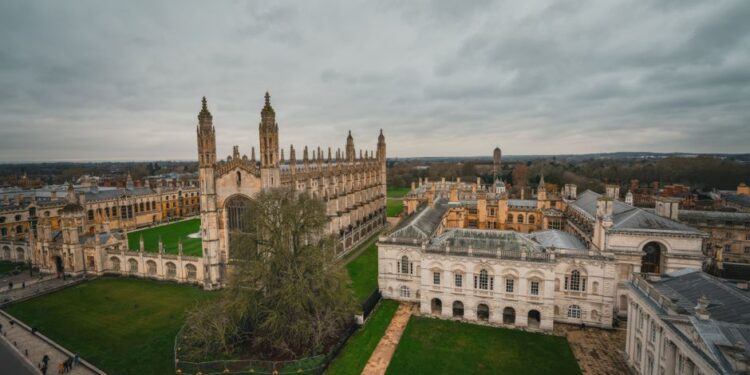
Cambridge University is reviewing its senior academic hiring process following plagiarism allegations against Jason Arday, its youngest black professor. This review aims to enhance academic integrity standards, reflecting a broader trend in universities worldwide to reevaluate their hiring practices.

Cambridge University is reviewing its senior academic hiring process. This follows plagiarism allegations against Jason Arday, its youngest black professor. The university announced this decision on August 8, 2026. It comes amid growing scrutiny surrounding Arday’s resignation and the circumstances of his appointment. This review aims to improve the integrity of academic recruitment at one of the world’s top universities.
Arday resigned as a professor of sociology of education after new plagiarism claims emerged about his PhD thesis. The university stated that findings from the ongoing investigation will inform the review of its hiring processes for senior roles. This development is significant as it highlights the need to maintain high academic integrity standards in higher education. According to a report by the Economic Times, the university’s decision to review its hiring practices responds directly to the allegations that have surfaced. These allegations raised questions about the vetting processes used during Arday’s appointment.
Implications of the Review on Academic Integrity Standards
The review of Cambridge’s hiring practices is not just an internal matter. It reflects a broader trend in academia where institutions are held accountable for their hiring processes. Career Ahead’s analysis shows that universities worldwide are reevaluating their recruitment criteria. This is especially true in light of recent scandals that have raised questions about faculty qualifications and integrity. The scrutiny surrounding Arday’s case has prompted other universities to examine their hiring protocols. They want to ensure these protocols are strong enough to prevent similar situations.
For university administrators, this scrutiny may lead to stricter guidelines and more thorough vetting procedures for candidates applying for senior academic roles. The implications of this review could extend beyond Cambridge. Other universities may adjust their hiring practices to uphold academic standards and avoid similar controversies. This situation serves as a wake-up call for institutions to prioritize integrity in their hiring processes. The Economic Times notes that findings from the investigation into Arday’s plagiarism allegations will be crucial in shaping future hiring practices at Cambridge. This emphasizes the need for transparency and accountability.
Furthermore, the focus on academic integrity may also impact diversity and inclusion initiatives within universities. While these initiatives aim to promote a diverse faculty, they must not compromise academic excellence. The review at Cambridge could set a precedent for balancing diversity efforts with the need for rigorous academic qualifications. This balance is critical as institutions strive to create an inclusive environment while maintaining the integrity of their academic programs.
The Economic Times notes that findings from the investigation into Arday’s plagiarism allegations will be crucial in shaping future hiring practices at Cambridge.
You may also like
 Education & University Insights
Micro‑credentials reshape academic resilience and career capital
The Coursera 2026 report notes that 94% of employers are willing to offer higher starting salaries.
Read More →In the wake of this review, academic researchers may face increased scrutiny regarding their work and qualifications. The heightened awareness around plagiarism and academic integrity could lead to a more cautious approach among researchers. They may need to ensure their work is thoroughly vetted before publication to avoid potential allegations. The implications of this situation extend to the academic community, reminding researchers of the importance of originality and proper citation practices.
Potential Changes in Recruitment Criteria for Professors
The ongoing investigation and review at Cambridge University may lead to significant changes in recruitment criteria for professors. Career Ahead research indicates that universities may adopt stricter requirements. This could include comprehensive background checks and detailed assessments of candidates’ academic histories. Such a shift could result in a more transparent hiring process that prioritizes integrity and qualifications over other factors. The Economic Times highlights that the review aims to ensure the hiring process is thorough and fair, rebuilding trust within the academic community.
Additionally, the review might encourage universities to implement regular audits of faculty members’ work. These audits would ensure compliance with academic standards. This proactive approach could help prevent future controversies and foster a culture of accountability within academic institutions. By establishing clear guidelines and expectations for faculty conduct, universities can mitigate risks associated with hiring individuals whose qualifications may be questionable. Such measures could include periodic reviews of published work and adherence to ethical research practices.
Moreover, the review process at Cambridge could lead to new training programs. These programs would educate faculty and staff about academic integrity and ethical research practices. Such initiatives would enhance awareness and create a supportive environment where academic standards are upheld. This could be particularly beneficial for early-career researchers navigating the complexities of academic publishing and integrity. The emphasis on training and education could serve as a foundation for a more ethical academic culture, where integrity is prioritized at all levels of the institution.

Future applicants may need to be more transparent about their academic backgrounds.
As universities adopt these changes, the landscape of academic hiring may shift significantly. This evolution could impact how candidates present their qualifications and experiences during the application process. Future applicants may need to be more transparent about their academic backgrounds. They will need to emphasize their commitment to integrity and ethical research practices. The review at Cambridge serves as a critical moment for reflection and change, potentially influencing hiring practices and academic integrity standards at institutions worldwide.
Ultimately, the outcome of Cambridge’s review will likely resonate beyond its campus. It will influence hiring practices and academic integrity standards at institutions worldwide. The implications of this review extend to academic researchers and university administrators alike. For researchers, the focus on integrity means a heightened awareness of the importance of original work and proper citation practices. Those in academia must be prepared to navigate a landscape where scrutiny over their qualifications and research integrity is increasing.
You may also like
 Education & University Insights
N.Y.C. Literacy Programs Struggle Amid Reading Score Decline
The recent drop in reading scores among NYC students highlights significant challenges for literacy programs. Educators and administrators must adapt their strategies to reverse this…
Read More →University administrators will also need to adapt to this changing environment. With potential changes in recruitment criteria, they must ensure their hiring processes align with evolving standards of academic integrity. This may require additional training and resources to support effective recruitment and retention strategies. As the landscape of academic hiring continues to evolve, institutions that prioritize integrity will likely attract the best talent. Researchers and faculty members who demonstrate a commitment to ethical practices will find themselves in demand. Universities seek to rebuild trust and uphold their reputations in the academic community.
In conclusion, the review of Cambridge University’s hiring practices amid plagiarism allegations is crucial for academic institutions worldwide. This situation highlights the need for a renewed focus on integrity in recruitment processes. It could lead to significant changes in how universities approach hiring and retention in the future.
Frequently Asked Questions
What are the implications of plagiarism allegations for academic researchers?
Plagiarism allegations can severely damage an academic’s reputation and career prospects. Researchers must maintain high integrity standards in their work to avoid such allegations and ensure their contributions are respected.
Researchers must maintain high integrity standards in their work to avoid such allegations and ensure their contributions are respected.
How might hiring processes change for university administrators?
University administrators may implement stricter vetting procedures and background checks for candidates applying for senior academic roles. This shift aims to enhance academic integrity and prevent future controversies.
What should academic researchers do to ensure integrity in their work?
Academic researchers should prioritize original work and proper citation practices to uphold their integrity. Engaging in thorough reviews and seeking feedback can help avoid potential plagiarism issues.
You may also like
 Education & University Insights
India’s Youth Leading Global Innovation
Union Education Minister Pralhad Joshi highlights the transformative role of India's youth in global education during the IIT Delhi convocation, emphasizing the shift towards a…
Read More →