No products in the cart.

Canadian Couple Relocates to Japan for Financial Freedom
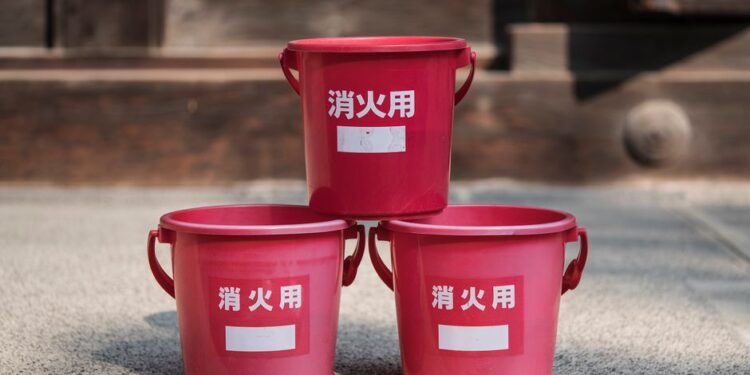
A Canadian couple, the Pons, relocates to Japan seeking financial independence through the FIRE strategy, highlighting a growing trend of remote workers moving abroad for lower living costs.

Canada — A Canadian couple has made headlines by selling their home and quitting their jobs to achieve financial independence in Japan. The Pon family, previously based in Toronto, found the rising cost of living in Canada too high. They adopted the FIRE (Financial Independence, Retire Early) strategy, beginning their journey in 2024 with a move to Chiang Mai, Thailand, before settling in Osaka, Japan.
The decision to leave Canada was not easy. Brendan Pon, 37, and his wife faced rising expenses, particularly in housing and groceries. According to Canadian government data, citizens typically spend 35% to 50% of their income on housing and utilities. The Pon family spent about 1,800 CAD on groceries and around 400 CAD on utilities each month, a burden that grew heavier after the birth of their first child in 2020.
“The turning point for us was when our son was born,” Brendan shared. “It changed our perspective on life because kids need their parents early.” With the arrival of their daughter in 2023, the couple recognized the importance of balancing work and family time.
The Pon Family’s Transition to Japan
Initially, the Pons moved to Thailand, where they enjoyed lower living costs. They rented a home for about 2,500 CAD per month, which, while high for Thailand, was manageable compared to their expenses in Canada. In Thailand, they spent only $216 on utilities and $91 weekly on groceries.
Despite the benefits, they soon felt out of place in Thailand, describing it as an “expat bubble.” The climate was also a challenge, as the heat was difficult for the Canadian family to adapt to. This led them to consider Japan, where they found a better balance between affordability and a familiar environment.
When they moved to Osaka in 2025, they discovered that Japan had a higher cost of living than Thailand but was still cheaper than Canada. They purchased a fully paid home for about 50 million Japanese yen (around $320,000). Their monthly expenses, including groceries and utilities, totaled $936 and $137, respectively, showcasing a clear financial advantage over their life in Toronto.
Despite the benefits, they soon felt out of place in Thailand, describing it as an “expat bubble.” The climate was also a challenge, as the heat was difficult for the Canadian family to adapt to.
You may also like
 News
NewsBloomberg This Weekend 10/4/2026
The launch comes at a time when media consumption patterns are rapidly changing. Viewers increasingly prefer on-demand content and real-time updates, prompting networks like Bloomberg…
Read More →Brendan’s income now comes from his YouTube channel, which documents their journey, and a side job. This allows him to maintain financial stability while spending quality time with his children. “I think our relationship with our kids is very good,” he noted, emphasizing the importance of being present during their formative years.
Challenges of Expat Life in Japan
While the Pons have found financial relief in Japan, their transition has not been without challenges. Adapting to a new culture, overcoming language barriers, and social integration can be tough for expatriates. The Pons initially struggled to fit into the local community, often feeling isolated in their expat bubble.
Moreover, the cost of living in Japan varies significantly by city. According to CityCost, factors like housing, transportation, and food prices influence living costs. For families like the Pons, understanding these factors is crucial for maintaining financial independence.
Despite these challenges, the Pons have embraced their new life. They have learned to navigate public transportation and engage more with local culture. This cultural immersion is essential for expats, helping build connections and a sense of belonging.

Future Considerations for Remote Workers As remote work evolves, more families may consider relocating to countries like Japan to enjoy a better work-life balance and lower costs.
Brendan noted, “FIRE means something different for everyone. For us, it meant having flexibility with our time during these years, not indefinitely.” This highlights the importance of adapting the FIRE strategy to fit individual circumstances and goals.
Future Considerations for Remote Workers
As remote work evolves, more families may consider relocating to countries like Japan to enjoy a better work-life balance and lower costs. The Pon family’s journey illustrates that the FIRE movement is not a one-size-fits-all approach; it requires flexibility and adaptability to meet individual needs.
You may also like
 News
NewsJobs Slow but Inflation Keeps Fed on Alert
In September, the economy added just 150,000 jobs, a stark contrast to the 200,000 jobs analysts had predicted. This slowdown comes amid ongoing inflationary pressures,…
Read More →This trend could reshape global migration patterns. Countries that support remote workers, like Japan, may see an influx of expatriates seeking financial independence, leading to cultural exchanges that enrich both expats and local communities.

The question remains: how will governments respond to this shift? As more remote workers settle abroad, policies on taxation, residency, and work permits may need to change to accommodate the growing population of digital nomads.
Ultimately, the story of the Pon family is just one example of how people are redefining their lives for financial freedom. As remote work continues to rise, it will be interesting to see how this trend develops and what new opportunities arise for families balancing work and life globally.
Frequently Asked Questions What are the best countries for remote workers looking to reduce living expenses?
Frequently Asked Questions
What are the best countries for remote workers looking to reduce living expenses?
Research identifies countries like Thailand and Japan as popular destinations for remote workers seeking lower living costs. These countries offer affordable housing, food, and utilities compared to high-cost countries like Canada.
How does the FIRE strategy apply to digital nomads?
The FIRE strategy encourages individuals to save aggressively and invest wisely to achieve financial independence. For digital nomads, this means finding locations with lower living costs to stretch their savings while enjoying a flexible lifestyle.
What should remote workers consider before moving abroad for work?
Remote workers should evaluate the cost of living, cultural fit, and potential challenges like language barriers before relocating. Understanding these factors can help ensure a smooth transition and successful adaptation to a new environment.
You may also like
 News
NewsUAE may halt UK investments after Manchester City guilty verdict
The UAE's potential withdrawal of investments in the UK, following Manchester City's guilty verdict for financial breaches, could significantly impact the sports and real estate…
Read More →