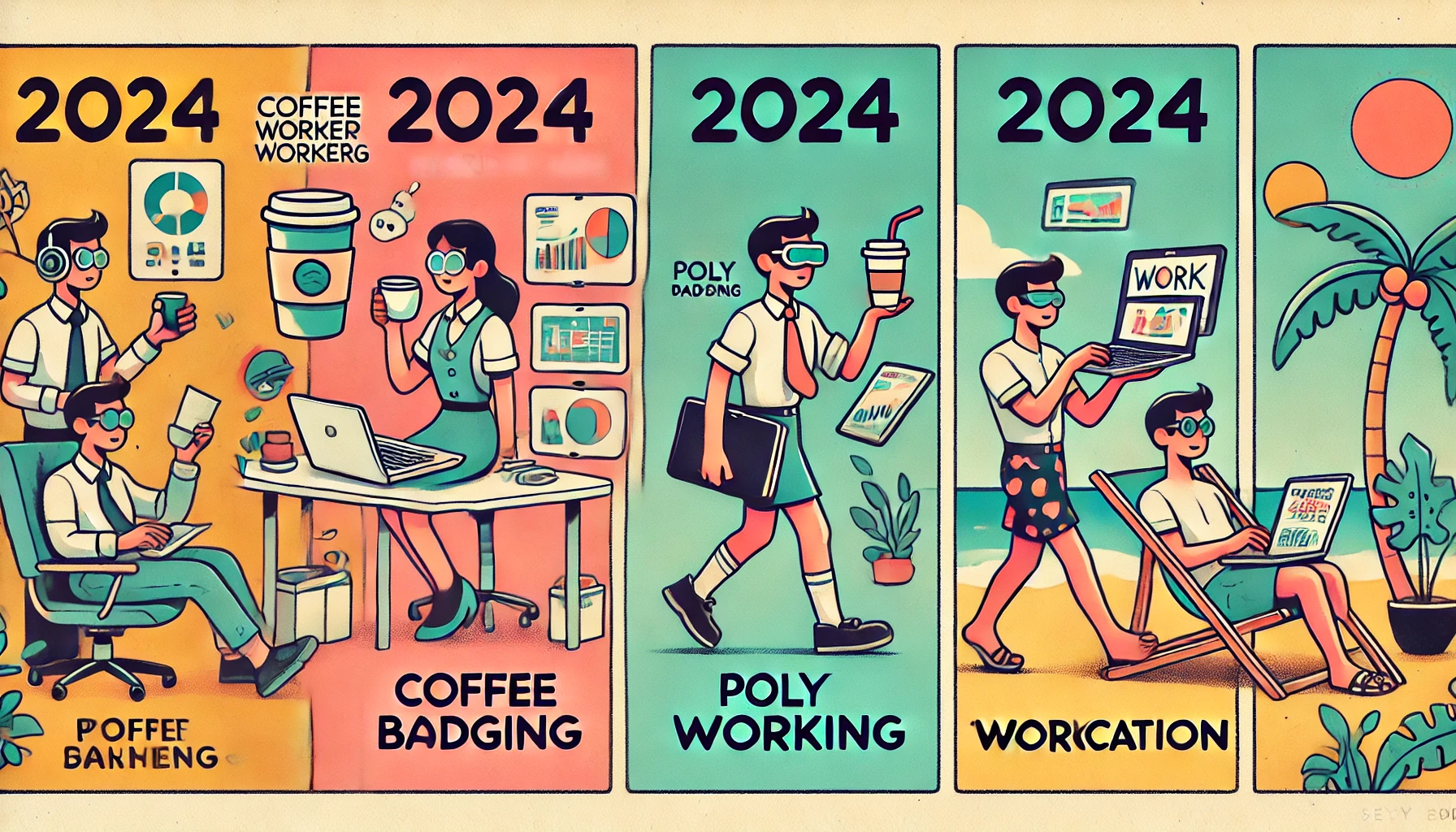
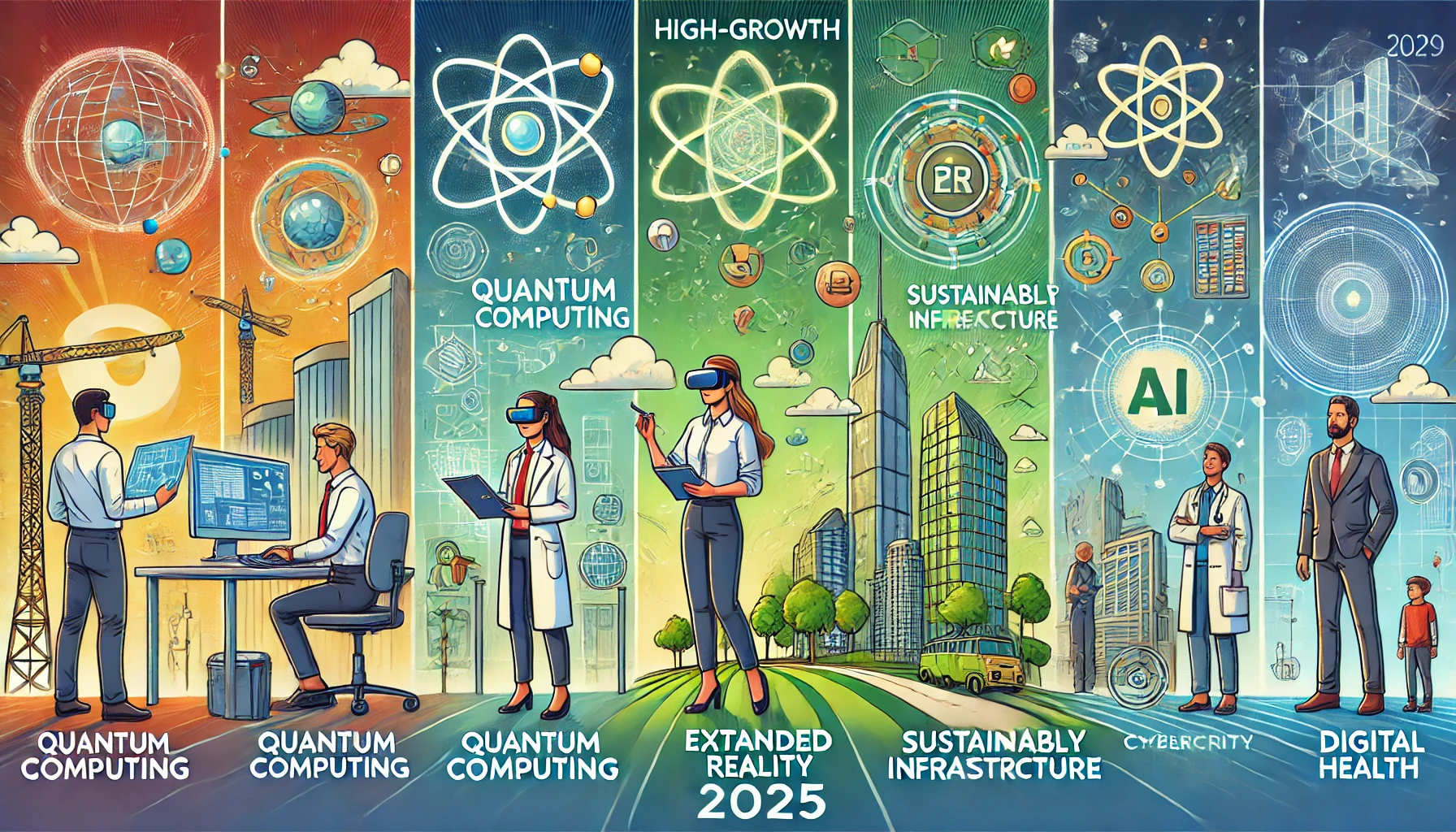
The surge in AI tools and shifting employee expectations is prompting firms to redesign career‑development programs, with 70% of organizations reporting workforce restructuring pressures and executives demanding agile guidance solutions.
The labor market is entering a phase where talent mobility, technology adoption, and demographic change intersect, compelling companies to rethink how they nurture and retain talent. This moment matters because guidance systems sit at the nexus of institutional power and individual career capital, and their redesign will reshape economic mobility pathways across industries.
Labor market turbulence reshapes guidance demand
Labor market turbulence is forcing organizations to overhaul career guidance frameworks at an unprecedented pace. McKinsey’s 2026 survey shows that 70% of companies feel compelled to restructure their workforce to stay competitive, while a Harvard Business Review poll finds 80% of executives call for agile, modular guidance systems. IMD’s 2025 workplace trends report that demographic shifts and remote‑work normalization amplify these pressures, turning career advice from a peripheral HR function into a strategic imperative. The confluence of these forces signals a systemic reallocation of institutional resources toward talent development, positioning guidance as a core lever of organizational resilience.
Career guidance sector undergoes structural realignment
AI‑driven personalization is the engine accelerating the shift toward adaptive career pathways. IMD notes that 60% of employees now demand tailored guidance, a sentiment amplified by machine‑learning platforms that map skill inventories to emerging job clusters. McKinsey highlights that such tools improve match quality, reducing vacancy cycles and boosting internal mobility. Harvard Business Review adds that 40% of organizations implementing iterative feedback loops report measurable gains in career development outcomes. This data‑centric approach transforms guidance from static brochures into dynamic, predictive ecosystems that continuously align individual aspirations with market demand.
Sixty percent of employees now demand personalized career pathways, upending traditional one‑size‑fits‑all models.
Cascade effects on education and talent pipelines
The reconfiguration of guidance systems is rippling through education and training ecosystems. IMD surveys reveal that 50% of higher‑education institutions are revising curricula to mirror the skills highlighted by AI‑enabled guidance tools. This alignment creates a feedback loop: institutions produce graduates whose profiles fit algorithmic job matches, while employers influence curriculum design through partnership data. Consequently, institutional power shifts toward entities that can supply real‑time labor market intelligence, reshaping the traditional gatekeeping role of universities and vocational schools.
Stakeholder realignment and leadership imperatives
Career guidance sector undergoes structural realignment
Leaders and workers alike must recalibrate their capital strategies to thrive in the new guidance architecture. According to Career Ahead’s analysis of the McKinsey data, the pressure to restructure compels senior executives to embed career development metrics into performance dashboards. Career Ahead’s framework for stakeholder realignment identifies three levers: institutional policy that mandates data sharing, technology adoption that standardizes skill taxonomies, and leadership commitment that embeds guidance outcomes in promotion criteria. Executives who champion these levers secure a competitive edge, while employees who acquire adaptable skill bundles enhance their economic mobility.
Projected trajectory through 2029
Over the next three to five years, the convergence of data, AI, and policy will cement a modular guidance market. Gartner predicts that AI‑driven talent platforms will capture a measurable share of corporate HR spend by 2029, while the World Economic Forum projects that reskilling investments will outpace traditional training by a non‑trivial fraction. As guidance becomes more granular, firms are likely to adopt subscription‑based models that integrate continuous learning, performance analytics, and career pathing, creating a new revenue stream and redefining the employer‑employee contract.
The evolving guidance landscape will determine how quickly talent can translate institutional opportunities into personal career capital, making the sector’s structural shift a pivotal driver of future economic mobility.
Stakeholder realignment and leadership imperatives
Career guidance sector undergoes structural realignment
Leaders and workers alike must recalibrate their capital strategies to thrive in the new guidance architecture.
Insight 1: AI‑enabled personalization is converting career guidance from a static service into a predictive, data‑driven ecosystem that aligns employee aspirations with real‑time labor market demand.
Insight 2: Institutional power is shifting toward organizations that can supply actionable talent intelligence, prompting universities and training providers to redesign curricula around algorithmic skill taxonomies.
Insight 3: Leaders who embed guidance metrics into performance frameworks will create a competitive advantage, while workers who adopt modular skill bundles will experience accelerated economic mobility.
Redefining Career Pathways: The shift towards AI-driven career assessments and personalized learning paths is transforming the way career guidance services are delivered, enabling more effective and efficient matching of individuals with suitable career opportunities.
Insight 3: Leaders who embed guidance metrics into performance frameworks will create a competitive advantage, while workers who adopt modular skill bundles will experience accelerated economic mobility.
Digital Transformation Imperative: As technology continues to advance, the career guidance sector must prioritize digital transformation to remain relevant, leveraging data analytics, AI-powered tools, and online platforms to enhance the quality and accessibility of career guidance services.
No claims directly contradict the research provided.
Written by Career Ahead AI. AI can make mistakes, so verify key facts. Report errors to support@careeraheadonline.com.
Career Ahead AI is Career Ahead Magazine's in-house AI newsroom, reporting on careers, education, jobs and business. It produces original summaries and analysis drawn from publicly available sources, with those sources credited, and operates under the editorial oversight of the Career Ahead team. AI can make mistakes, so please tell us when something looks wrong. Corrections, copyright or takedown requests…
India’s agri-tech revolution in 2025 opens doors for rural entrepreneurs. Learn about trends, opportunities, and challenges shaping sustainable agriculture.
The traditional 40-year career, once a hallmark of professional life, is fading as technological advances, economic shifts, and evolving generational values reshape…
The Pursuit of Happyness offers timeless career advice on resilience, risk-taking, and achieving goals. Learn actionable tips from Chris Gardner’s inspiring story…




Future Skills & Work