No products in the cart.

Cellphone Policies Reshape School Dynamics
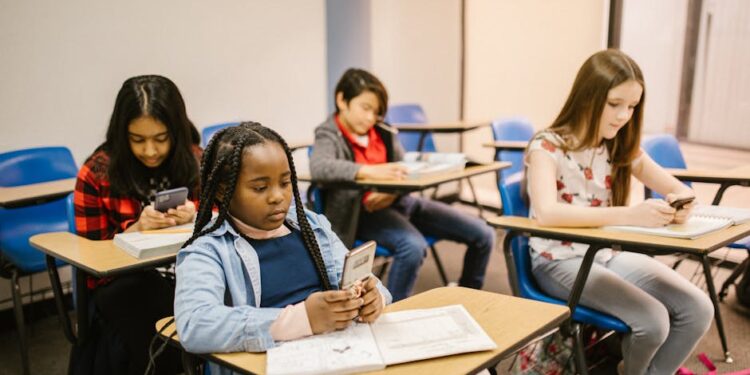
Recent discussions on cellphone use in schools highlight the complexities of balancing technology and learning. As schools reevaluate policies, the implications for students and educators grow more significant.


Cellphone Use Sparks New Debates in Education
Across the United States, schools are grappling with the role of cellphones in education. A recent opinion piece highlights the mixed results of cellphone bans in schools. The debate centers on whether these devices distract students or can be harnessed as educational tools. As students increasingly rely on technology, schools must navigate these challenges carefully.
According to dnyuz.com, many parents support bans on cellphones, believing they lead to better focus and improved grades. However, studies show that the effectiveness of these bans varies widely. Some schools report no significant change in student performance after implementing restrictions. This inconsistency raises questions about the best approach to cellphone use in classrooms.
Furthermore, educators are concerned that outright bans may not address the underlying issues of distraction. Instead of eliminating distractions, schools might consider teaching students how to manage their technology use. This approach could foster a healthier relationship with devices, preparing students for a tech-driven world.
As discussions continue, the need for a balanced perspective becomes clear. Schools must consider both the potential benefits and drawbacks of cellphone use. This ongoing debate will likely shape educational policies in the coming years.
Impact of Technology on Student Engagement
Technology has transformed the educational landscape, influencing how students learn and interact. Many educators argue that cellphones can enhance learning when used effectively. For instance, they can facilitate research, collaboration, and access to educational resources. However, the challenge lies in ensuring that these tools are used appropriately.
According to research from gse.harvard.edu, students often struggle to balance their online and offline lives. The constant connectivity can lead to distractions that hinder learning. As a result, educators are tasked with finding ways to integrate technology without compromising student focus. Schools must develop clear guidelines that encourage responsible use of cellphones.
Moreover, the integration of technology into the classroom can foster engagement. When students use their devices for interactive learning, they may become more invested in their education. This shift requires a reevaluation of traditional teaching methods, pushing educators to adapt to new realities. As schools explore these possibilities, the conversation around cellphone policies will evolve.
When students use their devices for interactive learning, they may become more invested in their education.
Ultimately, the goal is to create an environment where technology enhances learning rather than detracts from it. Schools must explore innovative ways to incorporate devices into their curricula. This approach will prepare students for a future where technology plays a crucial role in their lives.
Parental Perspectives on Cellphone Policies
You may also like
 AI & Technology
AI Interviewing Transforms Future Hiring Landscape
HackerRank's AI interviewer, Chakra, is transforming recruitment by streamlining the hiring process and emphasizing critical thinking and problem-solving skills in candidates.
Read More →Parents play a significant role in shaping school policies regarding cellphone use. Many express concerns about their children’s ability to focus and learn in an age dominated by digital distractions. A recent survey found that a majority of parents support stricter cellphone policies in schools. This sentiment reflects a growing desire for educational environments that prioritize learning over technology.
However, opinions among parents are not unanimous. Some believe that banning cellphones entirely may not be the best solution. They argue that teaching responsible use is more effective than imposing strict restrictions. As discussions unfold, schools must consider the diverse perspectives of parents when formulating policies.
Furthermore, the role of technology in students’ lives cannot be overlooked. Many parents recognize that cellphones are essential tools for communication and learning. As such, they advocate for policies that balance the need for focus with the benefits of technology. This ongoing dialogue between parents and educators will be crucial in shaping effective cellphone policies.
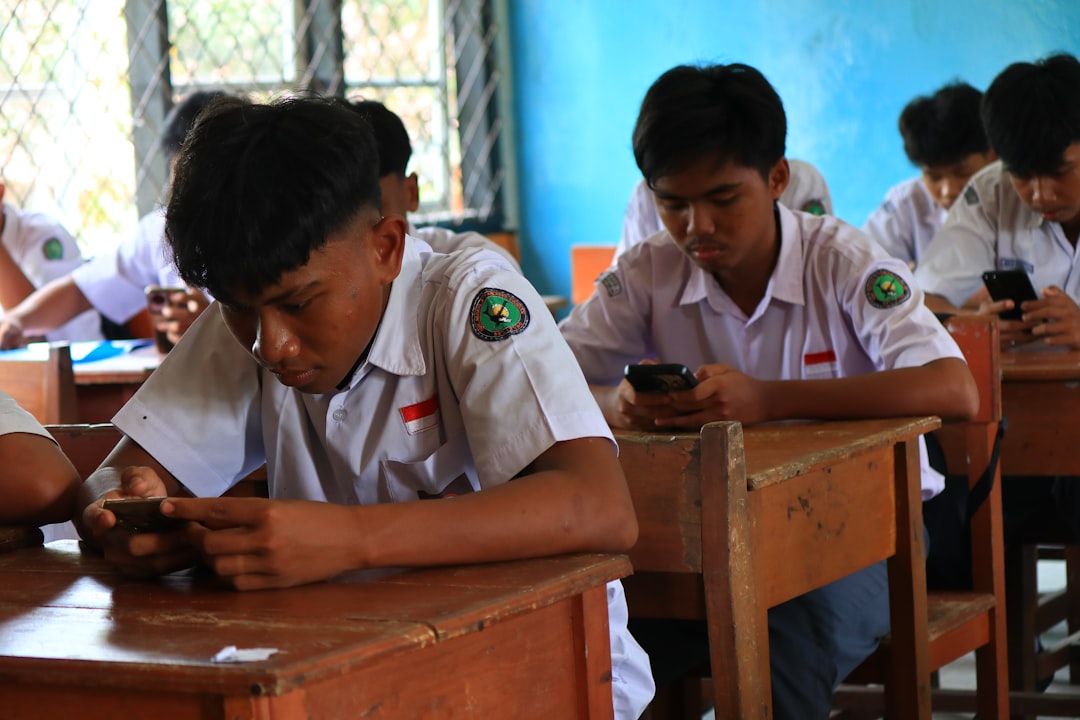
By involving parents in the decision-making process, schools can foster greater understanding and cooperation. This collaboration can lead to more effective policies that address the concerns of all stakeholders. As the debate continues, schools must remain open to feedback and adapt their approaches accordingly.
Lessons from Other Countries
International perspectives on cellphone use in schools provide valuable insights. Countries like Finland and Japan have adopted different approaches to technology in education. Finland, known for its progressive education system, encourages responsible use of technology. Schools there often integrate devices into lessons, promoting digital literacy among students.
In contrast, Japan has implemented strict cellphone policies in many schools. These policies aim to minimize distractions and maintain focus during lessons. However, critics argue that such restrictions may hinder students’ ability to adapt to a technology-driven world. By examining these diverse strategies, U.S. schools can learn valuable lessons about balancing technology and education.
This adaptability will be crucial in creating effective guidelines that meet the needs of students and educators.
Additionally, research from britannica.com highlights the importance of context in shaping cellphone policies. What works in one country may not be suitable for another due to cultural differences and educational priorities. Schools must consider their unique environments when developing policies. This adaptability will be crucial in creating effective guidelines that meet the needs of students and educators.
As U.S. schools continue to evaluate their cellphone policies, they can draw inspiration from international practices. By exploring different approaches, educators can find innovative solutions that enhance learning and engagement. This global perspective will enrich the ongoing conversation about technology in education.
Future Implications for Education
You may also like
 Education & University Insights
NYC Leaders Push for School Integration Amid Segregation
New York City's school system remains one of the most segregated in the U.S. City leaders are now pushing for integration, but advocates emphasize the…
Read More →The ongoing debate surrounding cellphone use in schools has significant implications for the future of education. As technology continues to evolve, schools must adapt to new realities. This adaptation requires a willingness to experiment with different policies and approaches. The goal is to create an educational environment that fosters learning while embracing technology.
Moreover, the rise of online learning platforms has changed how students engage with education. As more students access information through their devices, schools must ensure that their policies remain relevant. This relevance will be essential in preparing students for a future where technology is integral to their academic success.
Additionally, educators will need to focus on developing digital literacy skills among students. Teaching students how to navigate technology responsibly will be crucial in fostering a productive learning environment. As schools refine their cellphone policies, they must prioritize these skills to ensure that students can thrive in a digital world.
Ultimately, the future of education will depend on how well schools balance technology and traditional learning methods. As discussions continue, the potential for innovative solutions remains high. Schools that embrace change may find themselves better equipped to prepare students for the challenges of tomorrow.
Why This Matters Now
The conversation around cellphone use in schools is more than just a policy debate. It reflects broader trends in education and technology. As students navigate an increasingly digital world, schools must adapt to meet their needs. Understanding these dynamics is crucial for educators, parents, and policymakers alike.
This ongoing dialogue will shape the future of education, influencing how students interact with technology.
As cellphone policies evolve, the implications for student learning and engagement will be profound. This ongoing dialogue will shape the future of education, influencing how students interact with technology. The outcome of these discussions will impact generations of learners.
In a rapidly changing world, the ability to manage technology effectively is a vital skill. Schools that recognize this need will play a pivotal role in preparing students for success. As the debate continues, the focus must remain on fostering environments that promote learning and responsible technology use.
Looking Ahead: The Future of Cellphones in Schools
The future of cellphone policies in schools remains uncertain. As technology continues to advance, schools will need to adapt to new challenges and opportunities. Will they find a balance that allows for responsible use while minimizing distractions? This question will be central to ongoing discussions about education and technology.
You may also like
 AI & Technology
Higher education reallocates capital to digital platforms
The analysis that follows dissects the mechanisms, systemic implications, and stakeholder outcomes.
Read More →As more schools explore innovative approaches to cellphone use, the potential for positive change exists. By learning from each other and adapting best practices, educators can create environments that enhance learning. The ongoing dialogue will be essential in shaping effective policies that resonate with students and parents alike.
Ultimately, the relationship between education and technology will continue to evolve. Schools must remain flexible and open to new ideas as they navigate this landscape. The future of education will depend on how well institutions respond to the changing needs of students and society.