No products in the cart.

ChatGPT Introduces Teen Mode for Safer Use

OpenAI's new teen mode for ChatGPT enhances safety and usability for young users, integrating content filters and parental controls to support digital learning.

OpenAI has launched a dedicated teen mode for ChatGPT, aimed at enhancing the platform’s usability and safety for younger users. This new feature, which automatically applies to users aged 13 to 17, includes robust content filters and parental controls. The initiative comes amid increasing scrutiny over the impact of AI tools on younger audiences.
The teen mode is designed to help teenagers learn and think critically while using AI confidently. OpenAI emphasizes that this experience is tailored to meet the developmental needs of teens, ensuring that they have access to a safe and supportive digital environment.
Enhanced Safety Features for Teen Users
One of the key aspects of the new teen mode is the implementation of age-appropriate content filters. These filters restrict access to sensitive or inappropriate content, including graphic violence and depictions of self-harm. OpenAI’s commitment to creating a safer online space is evident in their approach to automatically applying these protections for users who identify as teenagers.
In addition to content filters, the teen mode includes enhanced privacy settings. Parents can set quiet hours and receive notifications about safety alerts if the system flags any potential risks. This level of control allows parents to monitor their children’s interactions with the AI, fostering a safer environment for exploration and learning.
OpenAI also incorporates reminders around sensitive image uploads and provides warnings about topics like eating disorders. These features aim to promote healthy and balanced use of the platform, guiding teens towards responsible engagement with digital content.
Moreover, the new mode includes “responsible homework reminders,” which help redirect teens if they attempt to shortcut their assignments. This feature not only encourages academic integrity but also supports students in developing effective study habits.
This feature not only encourages academic integrity but also supports students in developing effective study habits.
You may also like
 Education & University Insights
Cornell President Calls Rape Inquiry ‘Defining Moment’ for Campus | Career Outlook
Cornell University's president, Michael Kotlikoff, has labeled the ongoing rape inquiry a 'defining moment' for the institution, emphasizing the need for significant changes in campus…
Read More →With these enhancements, OpenAI is taking a significant step toward ensuring that AI tools are not only accessible but also safe for younger users. This reflects a growing recognition of the need for tailored digital experiences that prioritize the well-being of teens.
Implications for Educators and Digital Learning
The introduction of ChatGPT’s dedicated teen mode presents several opportunities for educators. The platform can now be integrated more seamlessly into classroom settings, providing students with a tool that aligns with their learning needs. Teachers can leverage the AI’s capabilities to enhance lessons, encourage critical thinking, and foster collaboration among students.
Career Ahead’s analysis finds that the teen mode’s features, such as content filters and homework reminders, can promote a more structured learning environment. Educators can utilize these tools to guide discussions around sensitive topics, ensuring that students engage with content in a safe and informed manner.
Furthermore, the integration of parental controls allows educators to collaborate with parents in monitoring student interactions. This partnership can enhance communication between home and school, creating a more holistic approach to education that prioritizes student safety and well-being.

The potential for ChatGPT to serve as a supplemental learning resource is significant. By providing students with access to AI-driven insights and information, educators can empower them to explore subjects in greater depth. This aligns with the broader trend of utilizing technology to enhance educational outcomes.
As schools increasingly embrace digital tools, the adoption of AI platforms like ChatGPT can help bridge gaps in traditional education. The teen mode’s focus on safety and usability positions it as a valuable resource for both students and teachers, fostering a more engaging and effective learning experience.
The teen mode’s focus on safety and usability positions it as a valuable resource for both students and teachers, fostering a more engaging and effective learning experience.
Looking Ahead: The Future of AI in Education
The launch of ChatGPT’s teen mode marks a pivotal moment in the intersection of AI and education. As OpenAI continues to refine its offerings, the focus on safety and usability for younger users is likely to influence the development of other educational technology tools. This trend suggests a growing emphasis on creating supportive digital learning environments that prioritize the needs of students.
You may also like
 Education & University Insights
Ambedkar University Updates PhD Fellowship Guidelines
Ambedkar University has revised its PhD fellowship guidelines, easing attendance requirements following significant student protests. The changes reflect a growing trend in higher education where…
Read More →Looking forward, the integration of AI tools in classrooms may evolve further, with educators seeking innovative ways to incorporate technology into their curricula. As AI continues to advance, it will be crucial for developers to maintain a strong focus on safety and ethical considerations, ensuring that tools like ChatGPT enhance rather than hinder the learning process.
Moreover, the ongoing dialogue around AI’s role in education will shape policies and practices at both institutional and governmental levels. Stakeholders, including educators, parents, and policymakers, will need to collaborate to establish guidelines that protect young users while promoting the benefits of AI in learning.
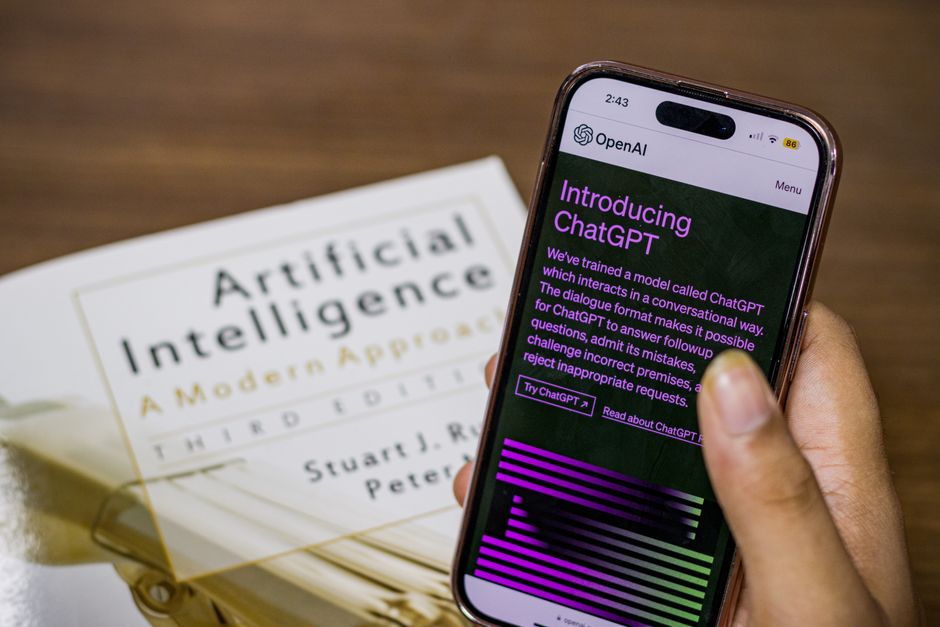
As OpenAI collects data on the effectiveness of the teen mode, insights gained will likely inform future updates and enhancements. This iterative approach to development will be essential in addressing the evolving needs of students and educators in an increasingly digital world.
Educators can use ChatGPT’s teen mode to enhance lessons, encourage critical thinking, and foster collaboration among students.
With the launch of ChatGPT’s teen mode, the conversation around AI in education is just beginning. The implications of this shift will resonate across classrooms, shaping how future generations engage with technology and learn in the digital age.
Frequently Asked Questions
What features are included in the new teen mode of ChatGPT?
The new teen mode includes age-appropriate content filters, enhanced privacy settings, and parental controls. It also features responsible homework reminders and customization options to promote healthy use.
How can educators integrate ChatGPT’s teen mode into their curriculum?
Educators can use ChatGPT’s teen mode to enhance lessons, encourage critical thinking, and foster collaboration among students. The platform’s content filters and reminders can help create a structured learning environment.
You may also like
 Education & University Insights
Cornell University Faces Nightlife Challenges Amid Recent Turmoil
Cornell University is grappling with a decline in student nightlife and social engagement following serious allegations on campus. This shift not only affects student life…
Read More →
What safety measures are in place for teenagers using AI tools?
Teenagers using the new mode benefit from automatic content restrictions, privacy settings, and parental controls. The mode also includes warnings about sensitive topics and reminders for responsible usage.