


Chennai, India — In a significant move to advance its energy storage capabilities, Chennai hosted a key industry roundtable on October 17, 2025, ahead of the forthcoming TBSI 2025. This event brought together leading experts, policymakers, and industry stakeholders to discuss the challenges and opportunities within the energy storage sector.
The roundtable was organized by the Tamil Nadu government in collaboration with the Energy Storage Association of India. It aimed to align strategies and foster partnerships that can accelerate the growth of energy storage technologies across the region.
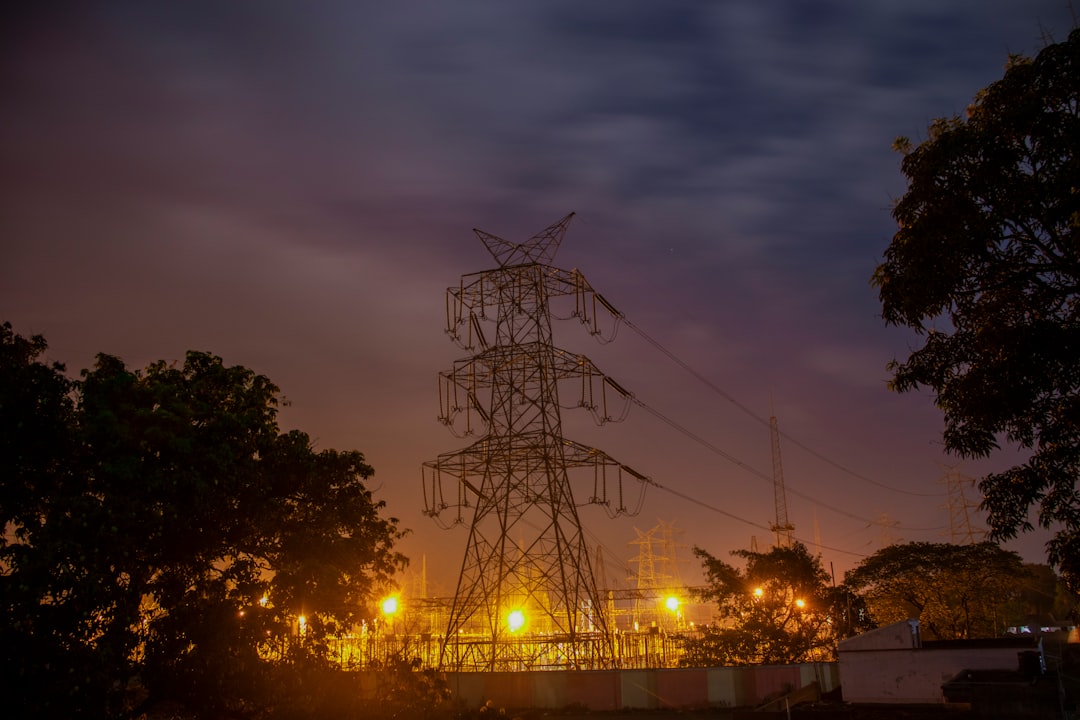
Energy storage is becoming increasingly vital as India seeks to enhance its renewable energy capacity. With a target of achieving 500 GW of renewable energy by 2030, the need for efficient energy storage solutions is paramount. Current estimates suggest that energy storage systems could reduce the cost of renewable energy by up to 20% and facilitate a more stable power grid.
During the discussions, industry experts highlighted the importance of innovative financing models and government incentives to encourage investment in energy storage technologies. Dr. Raghavan Kumar, a prominent voice in the renewable energy sector, stated, “The success of our energy transition hinges on our ability to deploy storage solutions that can balance supply and demand effectively.” The roundtable also explored international collaborations, particularly with countries that have made significant strides in energy storage, such as the United States and Germany.
Moreover, the event underscored the need for robust regulatory frameworks that can support the rapid deployment of energy storage systems.
Moreover, the event underscored the need for robust regulatory frameworks that can support the rapid deployment of energy storage systems. Ms. Priya Mehta, a regulatory affairs expert, noted, “Clear policies and regulations will be essential in creating a conducive environment for energy storage investments.” Currently, India’s energy storage market is projected to reach $2.5 billion by 2026, driven by both government initiatives and private investments.
With the global energy landscape shifting towards sustainability, India’s focus on energy storage aligns with international trends. Countries worldwide are investing heavily in energy storage solutions to support their renewable energy goals. For instance, the U.S. Department of Energy has allocated over $200 million to research and development in energy storage technologies over the past three years.
Chennai’s roundtable is part of a broader initiative leading up to TBSI 2025, which aims to showcase India as a leader in sustainable energy solutions. The upcoming summit will feature discussions on various topics, including the role of technology in enhancing energy storage efficiency and the integration of artificial intelligence in energy management systems.
As India continues to grapple with energy demands and climate change, the outcomes of this roundtable could set the stage for transformative changes in the energy sector. The emphasis on energy storage not only addresses immediate energy challenges but also paves the way for long-term sustainability.
Department of Energy has allocated over $200 million to research and development in energy storage technologies over the past three years.
Looking forward, the insights gained from this roundtable may catalyze further investments and innovations in energy storage, positioning India as a pivotal player in the global energy transition. Stakeholders will need to collaborate closely, ensuring that the momentum gained continues beyond TBSI 2025, ultimately leading to a more resilient and sustainable energy future.
Written by Career Ahead AI. AI can make mistakes, so verify key facts. Report errors to support@careeraheadonline.com.





