No products in the cart.

Harnessing AI for Wildlife Conservation Careers
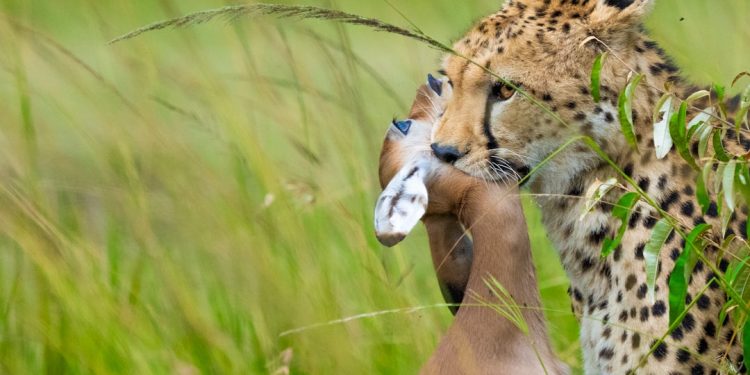
AI is revolutionizing wildlife conservation, creating new career paths that blend technology with ecology. Explore the future of this vital field.

San Francisco, USA — The Intersection of AI and Ecology
Artificial intelligence (AI) is making significant inroads into wildlife conservation, reshaping how we protect endangered species and manage ecosystems. In San Francisco, a hub for tech innovation, organizations are leveraging AI to enhance species tracking, combat poaching, and foster new career opportunities that blend data science with biology.
Context: The Need for Innovative Conservation Solutions
The global biodiversity crisis is escalating. According to the World Wildlife Fund, nearly 1 million species are at risk of extinction due to habitat loss, climate change, and illegal wildlife trade[1]. Traditional conservation methods often fall short, prompting a shift towards technology-driven solutions. AI, with its capacity for data analysis and predictive modeling, offers a promising avenue for addressing these challenges.
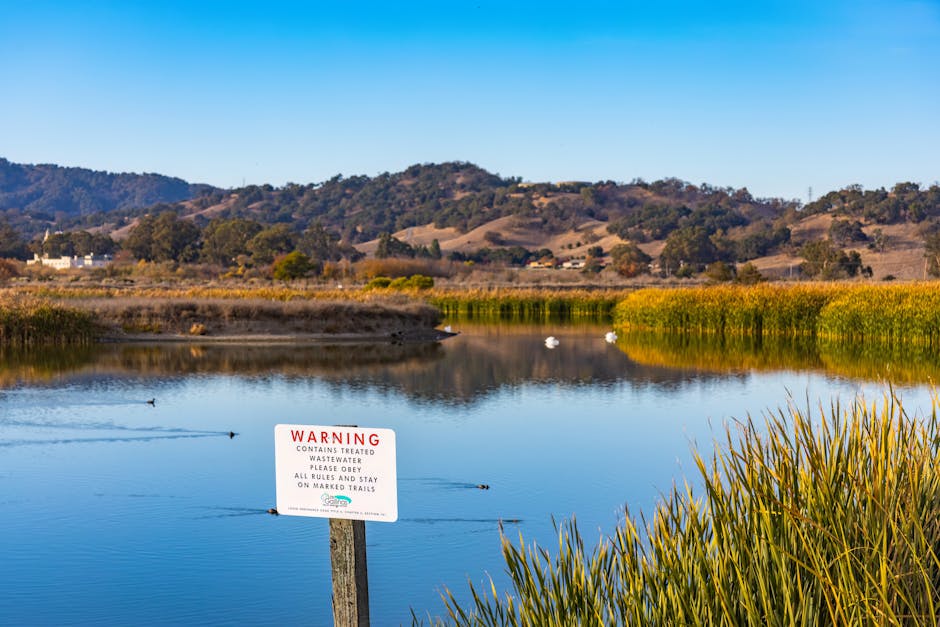
AI Applications in Wildlife Conservation
Organizations like the Wildlife Conservation Society (WCS) and Conservation International are at the forefront of integrating AI into their conservation strategies. For example, WCS employs AI algorithms to analyze camera trap images, allowing researchers to identify and monitor species populations more efficiently[2]. This technology not only speeds up data processing but also enhances accuracy, enabling conservationists to make informed decisions quickly.
Moreover, AI is instrumental in anti-poaching efforts. The use of drones equipped with AI-powered surveillance systems has proven effective in monitoring protected areas. These drones can detect suspicious activities and alert rangers in real-time, significantly increasing the chances of preventing poaching incidents[3].
These positions require a blend of skills in ecology and advanced technology, appealing to a new generation of professionals eager to make a difference.
Career Opportunities in AI-Powered Ecology
The integration of AI into wildlife conservation is creating diverse career opportunities. Roles such as data scientists, machine learning engineers, and conservation technologists are in high demand. These positions require a blend of skills in ecology and advanced technology, appealing to a new generation of professionals eager to make a difference.
Educational institutions are responding to this trend. Programs like the University of California, Berkeley’s Master of Data Science now include courses focused on environmental applications, preparing graduates for careers at the intersection of AI and ecology[4]. This educational shift underscores the growing recognition of the importance of interdisciplinary skills in tackling environmental challenges.
Challenges and Ethical Considerations
While the potential of AI in wildlife conservation is vast, it is not without challenges. Ethical considerations regarding data privacy, the impact of technology on local communities, and the risk of over-relying on algorithms must be addressed. Conservationists must ensure that AI tools are used responsibly and that they complement, rather than replace, traditional conservation methods.
Furthermore, as AI technologies become more prevalent, there is a risk of creating a divide between those with access to these tools and those without. Ensuring equitable access to AI resources is crucial for fostering inclusive conservation efforts that benefit all communities.
Looking Ahead: The Future of AI in Conservation Careers
You may also like
 Government & Policy
Why Rising Instrument Prices Endanger School Music Education
Rising tariffs on musical instruments are significantly increasing costs for school music programs, putting their viability at risk. Career Ahead's analysis identifies potential funding strategies…
Read More →The future of wildlife conservation is undoubtedly intertwined with advancements in AI. As technology continues to evolve, so too will the opportunities for professionals in this field. The demand for skilled individuals who can harness AI to address ecological challenges is expected to grow.
This educational shift underscores the growing recognition of the importance of interdisciplinary skills in tackling environmental challenges.
For young professionals and students, this is a call to action. Embracing interdisciplinary education and developing skills in both ecology and technology will be essential. The convergence of AI and wildlife conservation presents not only a chance to protect our planet but also a pathway to rewarding careers that make a tangible impact.