No products in the cart.

Chhattisgarh Promotes DSR Method for Paddy Cultivation
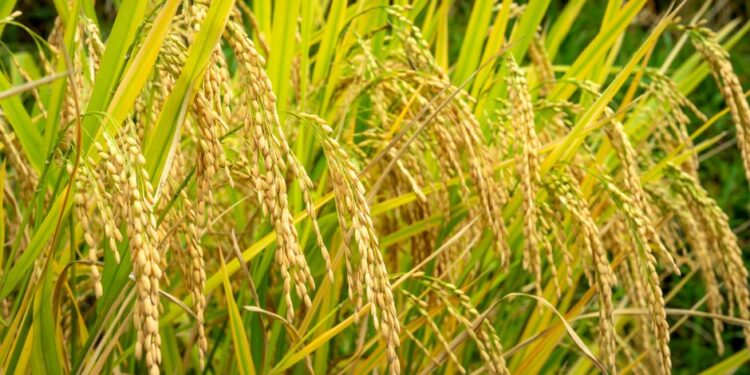
Chhattisgarh's government is urging farmers to adopt the Direct Seeded Rice (DSR) method for paddy cultivation to combat water scarcity and labor shortages, aiming for sustainable agricultural practices.

Chhattisgarh, India — On July 3, 2026, the Chhattisgarh government issued an advisory urging local farmers to adopt the Direct Seeded Rice (DSR) method for paddy cultivation. This initiative aims to address significant challenges such as water scarcity, labor shortages, and the impact of climate change on agricultural practices.
The DSR method involves directly sowing seeds into the soil, contrasting with traditional transplanting methods. This shift is crucial as the region faces unpredictable rainfall patterns, exacerbated by the El Niño phenomenon, which threatens the monsoon season. By promoting DSR, the government seeks to enhance agricultural resilience and sustainability.
Benefits of the DSR Method for Paddy Farmers
One of the primary advantages of the DSR method is its potential for significant water savings. Traditional transplanting requires approximately 2,500 to 3,000 liters of water to produce one kilogram of rice. In contrast, the DSR method can reduce water usage by about 20%. This reduction is critical in a state where irrigation facilities do not reach nearly 75% of the cultivated area, making water conservation a priority. According to a report by Testbook, the DSR method not only conserves water but also allows for better management of water resources, which is essential in the context of increasing drought conditions in the region.
Additionally, the DSR method can lower cultivation costs by approximately ₹5,000 per acre, providing financial relief to farmers. This cost-effectiveness is particularly important in Chhattisgarh, where many farmers operate on small landholdings. By adopting DSR, farmers can also expect their crops to mature 12 to 15 days earlier than with traditional methods, allowing for a more efficient use of the growing season. Furthermore, the implementation of DSR can lead to higher yields, as the method promotes better seed germination and plant establishment, which are crucial for maximizing production.
Recent innovations in agricultural technology have further enhanced the viability of the DSR method. Improved seed drills and tractors facilitate better seed placement, ensuring optimal plant spacing. Furthermore, new-generation herbicides have been developed that effectively manage weeds without harming the crop, addressing one of the historical challenges associated with direct seeding. The integration of these technologies not only improves efficiency but also encourages younger generations to consider farming as a viable career option, as highlighted in a study by Cornell University TCI, which emphasizes the importance of modernizing agricultural practices to attract youth into the sector.
Career Ahead’s analysis finds that the adoption of DSR could signify a broader trend toward sustainable agricultural practices in water-scarce regions.
Career Ahead’s analysis finds that the adoption of DSR could signify a broader trend toward sustainable agricultural practices in water-scarce regions. As farmers in Chhattisgarh embrace this method, it may inspire similar initiatives in other states facing comparable challenges, leading to a collective shift in agricultural practices across India.
You may also like
 Government & Policy
Malaysia Plans First AI Law in 2027 as Scrutiny Intensifies
Malaysia is set to introduce its first AI law in 2027, addressing ethical implications and compliance requirements for AI technologies.
Read More →Challenges and Adoption Hurdles for DSR
Despite its benefits, the adoption of the DSR method in Chhattisgarh faces several hurdles. One major challenge is the initial investment required for the necessary equipment, such as super seed drills, which can cost around ₹1.5 lakh. This high cost is a significant barrier for small farmers, who make up the majority of the agricultural sector in the state. As a result, access to this technology remains limited, hindering widespread adoption. The lack of financial support mechanisms or subsidies for small farmers further exacerbates this issue, as many are unable to afford the upfront costs associated with transitioning to DSR.
Moreover, the penetration of the DSR method in Chhattisgarh is currently low compared to states like Punjab and Haryana, where farmers are more accustomed to mechanized agriculture. The lack of available rental equipment for DSR further complicates matters, as farmers who wish to adopt the method may not have the resources to purchase the required machinery outright. The absence of a robust support system for training and education on DSR practices also poses a challenge, as many farmers remain unfamiliar with the method and its benefits.
Additionally, the timing of the government’s advisory has raised concerns among farmers. Many have expressed that the recommendation came too late for them to adequately prepare their fields for DSR, particularly regarding the necessary land leveling. Without proper leveling, the effectiveness of the DSR method can be compromised, leading to suboptimal yields. Furthermore, while the DSR method offers a solution to labor shortages in agriculture, the transition requires a mindset shift among farmers. Many are still accustomed to traditional transplanting methods, which they perceive as more reliable, despite the challenges associated with them. Overcoming this inertia will be crucial for the successful implementation of the DSR method.
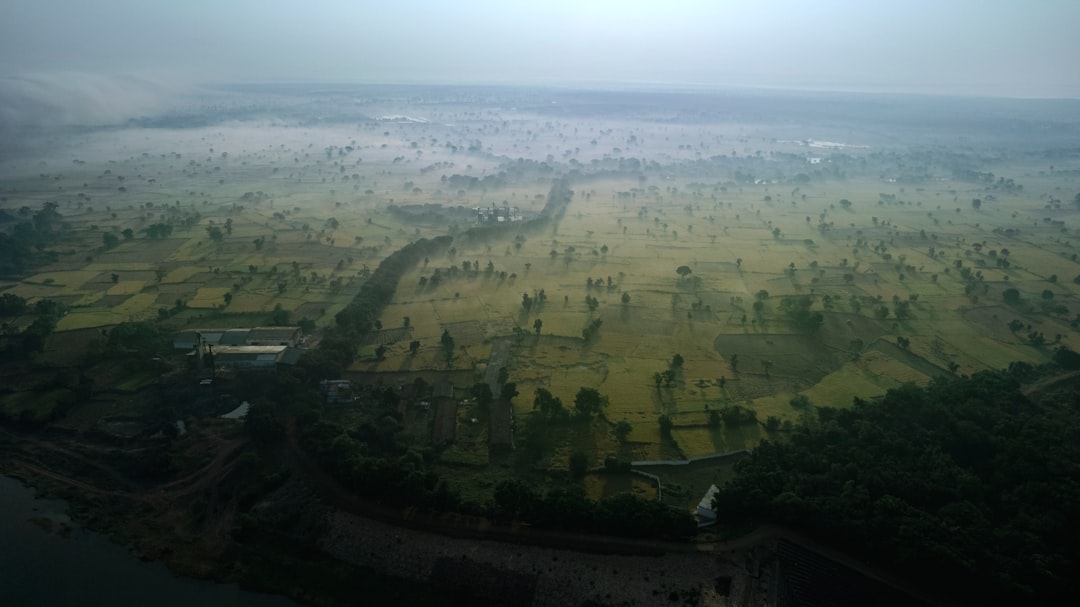
In summary, while the DSR method presents a promising solution for paddy farmers in Chhattisgarh, significant barriers remain that must be addressed to facilitate its widespread adoption. The government’s role in providing financial assistance, training, and infrastructure support will be vital in overcoming these challenges.
In summary, while the DSR method presents a promising solution for paddy farmers in Chhattisgarh, significant barriers remain that must be addressed to facilitate its widespread adoption.
The Chhattisgarh government’s push for the DSR method reflects a growing recognition of the need for sustainable agricultural practices in the face of climate change and resource scarcity. As the state continues to grapple with unpredictable weather patterns and labor shortages, the shift towards DSR could serve as a model for other regions facing similar challenges.
You may also like
 Government & Policy
Next-Gen GST Revolutionizes Tax Compliance for SMEs
The Next-Gen GST initiative aims to simplify tax compliance for small businesses in India, enhancing operational efficiency and transforming tax advisory services.
Read More →Moreover, the economic implications of this shift are significant. With the potential for reduced costs and increased yields, the DSR method could enhance the livelihoods of farmers and contribute to the overall economic stability of rural communities in Chhattisgarh. As more farmers adopt this method, the state could see a transformation in its agricultural landscape, leading to improved food security and sustainability.
Looking ahead, the success of the DSR initiative will depend on the government’s ability to provide support and resources to farmers. This includes ensuring access to affordable equipment, providing training on best practices for DSR, and facilitating the establishment of a supportive infrastructure for direct seeding. The commitment to these efforts will be essential in determining the long-term viability of the DSR method in Chhattisgarh.
As farmers adapt to these changes, the question remains: will the DSR method become the standard for paddy cultivation in Chhattisgarh, setting a precedent for sustainable farming practices across India?
Frequently Asked Questions
What is the DSR method for paddy cultivation?
The Direct Seeded Rice (DSR) method involves directly planting seeds into the soil, either manually or with machines, without the need for transplanting seedlings. This method can improve water efficiency and reduce cultivation costs.
The Direct Seeded Rice (DSR) method involves directly planting seeds into the soil, either manually or with machines, without the need for transplanting seedlings.
How can I implement the DSR method on my farm?
To implement the DSR method, farmers need to prepare their fields adequately, ensure proper seed placement, and may require access to specific machinery such as seed drills. Training and support from agricultural extension services can also be beneficial.

What are the expected benefits of switching to DSR for paddy farming?
You may also like
 Government & Policy
BOJ’s Deputy Chief Flags AI’s Possible Impact on Neutral Rate
The neutral interest rate, often referred to as the "natural rate," is the theoretical interest rate at which monetary policy neither stimulates nor restricts economic…
Read More →Switching to the DSR method can lead to reduced water usage, lower cultivation costs, and earlier crop maturity. These benefits can enhance farmers’ profitability and contribute to sustainable agricultural practices.