China is fast-tracking new oil storage facilities to hold two weeks of crude imports while refiners have started using existing reserves at about 1 million barrels per day.
China is fast-tracking new oil storage facilities to hold two weeks of crude imports while refiners have started using existing reserves at a rate of about 1 million barrels per day. The moves come as seaborne imports fall to their lowest level in a decade.
China announced an accelerated build-out of strategic oil reserve sites in October 2025, targeting a capacity sufficient for two weeks of crude imports. The construction program includes new terminals in Zhoushan, Zhejiang province, and additional storage at a Sinopec plant in Shanghai. By early May 2026, refiners were drawing on the national stockpile at roughly 1 million barrels per day, according to data from Vortexa and Kpler [2].
State-owned oil companies Sinopec and China National Offshore Oil Corporation (CNOOC) are the primary operators of the new sites, with other state-run refiners participating in the draw-down of reserves. The acceleration was described by Chinese authorities as a response to “global energy flow disruptions” and heightened geopolitical risk, aiming to secure supply amid rising import dependence [1].
The draw-down reflects a strategic decision to utilize existing stockpiles as imported volumes decline, a trend reported by Reuters and corroborated by industry tracking firms [2].
Expansion of Strategic Reserve Infrastructure
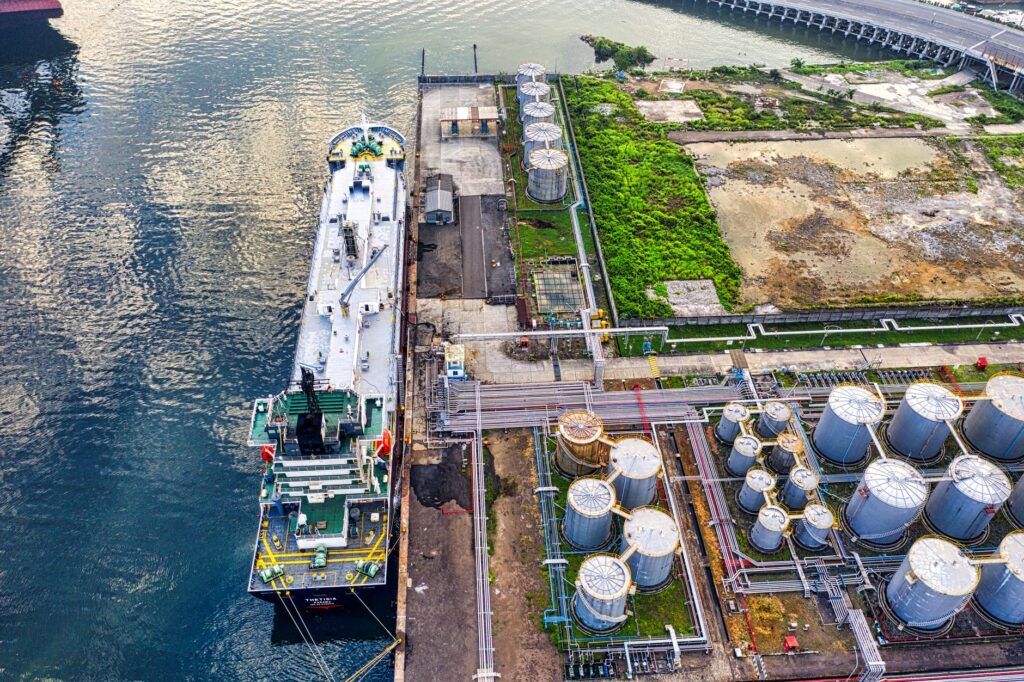
The new reserve sites are being built at locations that already host major import terminals. In Zhoushan, an aerial view captured a crude tanker alongside a construction zone for additional storage tanks, indicating ongoing expansion of capacity [1]. The Shanghai facility, operated by Sinopec, features upgraded tanks and pipelines designed to accommodate the targeted two-week import buffer [2].
The draw-down reflects a strategic decision to utilize existing stockpiles as imported volumes decline, a trend reported by Reuters and corroborated by industry tracking firms [2].
Construction is funded by the central government as part of the national strategic petroleum reserve (SPR) program, which mandates a minimum stock level equal to 90 days of net imports. The 2025 acceleration seeks to bring the total reserve capacity closer to the two-week target ahead of the 2027 deadline set by the Ministry of Commerce [3].
Project timelines indicate that the Zhoushan and Shanghai sites are expected to become operational by the end of 2026, with additional sites planned in other coastal provinces.
Drawing Down Existing Stockpiles
China Accelerates Construction of Strategic Oil Reserve Sites and Begins Drawing on Stockpiles
Since early May 2026, refiners have been tapping the SPR at a rate of approximately 1 million barrels per day, according to Vortexa and Kpler data cited by Reuters [2]. The draw-down is intended to offset the decline in seaborne imports, which fell further in May 2026 to a decade low, according to the data providers Vortexa and Kpler [2]. The reduced import flow is attributed to weaker global demand and competitive pricing pressures in international markets.
The use of reserves has coincided with widening losses among Chinese refiners, who report higher fuel stockpiles and lower product demand. Industry sources note that the combination of weak domestic consumption and the strategic release of oil from the SPR is influencing refinery operating margins [2]. The government has indicated that the draw-down will be calibrated to maintain market stability while preserving sufficient buffer stocks for future supply shocks.
Immediate Impact on Students, Educators, and Institutions
The expansion and utilization of China’s strategic oil reserves affect higher education and research institutions focused on energy economics, petroleum engineering, and international trade. Universities with curricula in energy policy may see increased enrollment in courses examining strategic stockpiling, supply-chain resilience, and market dynamics. Research centers are likely to receive new data sets from the Ministry of Commerce and state oil firms for analysis of reserve management practices.
Immediate Impact on Students, Educators, and Institutions The expansion and utilization of China’s strategic oil reserves affect higher education and research institutions focused on energy economics, petroleum engineering, and international trade.
For students pursuing careers in the oil and gas sector, the construction projects generate demand for engineers, project managers, and logistics specialists, potentially expanding internship and employment opportunities at Sinopec, CNOOC, and related contractors. Educators may incorporate case studies of China’s reserve strategy into coursework, providing real-time examples of state-driven energy security measures.
Refiners and downstream companies must adjust operational plans to account for the ongoing draw-down, influencing procurement strategies taught in business schools. The reduced import volumes also affect trade and finance programs that analyze balance-of-payments implications and currency exposure linked to crude oil purchases.
Key Facts
What: China is accelerating construction of new oil reserve sites while refiners draw on existing strategic stockpiles.
When: Construction accelerated in October 2025; draw-down began in early May 2026.



 News
NewsNews