No products in the cart.

F.D.A. Approves Moderna’s mRNA Flu Vaccine

This approval is particularly important as it highlights the growing acceptance of mRNA technology beyond COVID-19 vaccines. With the potential for rapid development and adaptability, mRNA vaccines could revolutionize how we approach seasonal flu and other infectious diseases.

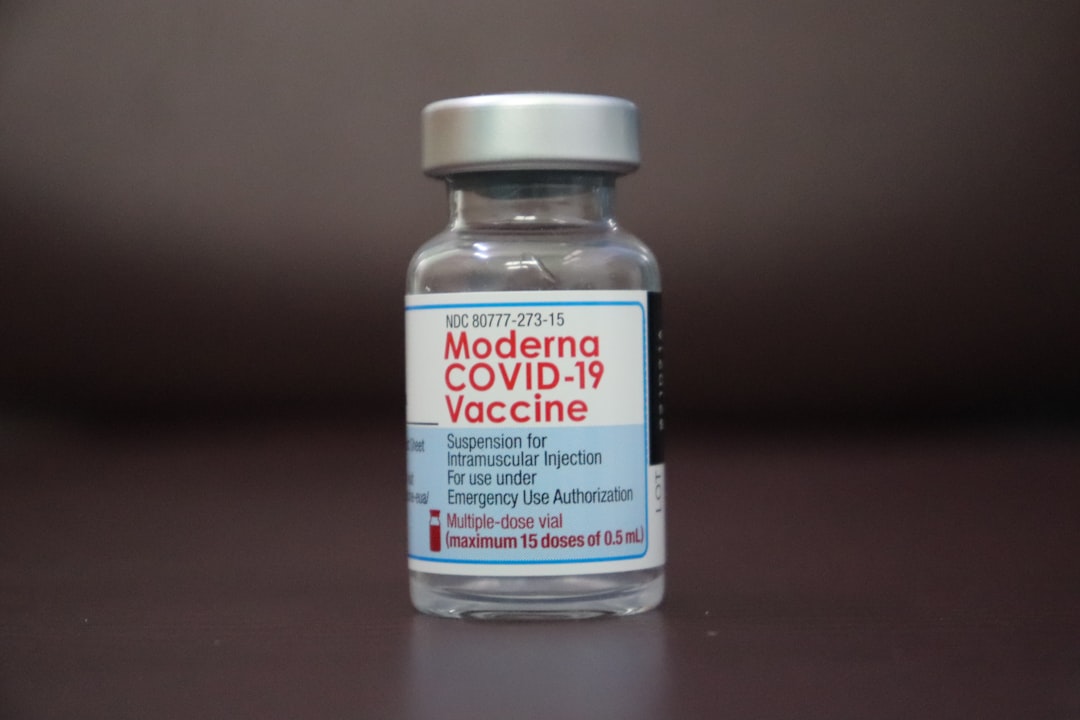
The F.D.A. has approved Moderna’s mRNA flu vaccine. This marks a major milestone in vaccine development. The approval follows initial resistance from the agency. They reversed their decision due to public demand for better flu prevention methods. The vaccine is now available for people aged 50 and older. This is a vital step in fighting seasonal influenza.
This approval is important because it shows growing acceptance of mRNA technology beyond COVID-19 vaccines. mRNA vaccines can be developed quickly and adapted easily. This technology could change how we handle seasonal flu and other infectious diseases.
Transforming Vaccine Development Timelines
The approval of Moderna’s mRNA flu vaccine could shorten vaccine development timelines significantly. Traditional flu vaccines usually take several months to develop and produce. In contrast, mRNA technology allows for a faster response to new virus strains. Career Ahead analysis shows that the process could cut the time from strain identification to vaccine distribution from months to just weeks.
This rapid development is crucial for public health officials.
This rapid development is crucial for public health officials. They need to respond quickly to seasonal flu outbreaks. Fast vaccine adaptation can lead to higher vaccination rates. This, in turn, can lower hospitalization and mortality rates during flu seasons. According to NBC News, this approval is a landmark moment. It could lead to more efficient responses to future influenza pandemics.
You may also like
 News
NewsAnup Bagchi Takes Charge as HDFC Bank MD & CEO
Anup Bagchi, with over three decades in financial services, is set to lead HDFC Bank starting October 27, 2026, following the retirement of Sashidhar Jagdishan.
Read More →Moreover, the success of the mRNA flu vaccine may boost investment in mRNA technology. As both public and private sectors see the effectiveness of these vaccines, funding may shift toward mRNA research for other diseases. The Washington Post notes that this approval could lead to a new generation of vaccines. These vaccines could be faster to produce and more effective in triggering immune responses.
Additionally, the approval may change how vaccines are regulated. With the success of mRNA vaccines in urgent public health situations, regulatory bodies might create faster pathways for future vaccine candidates. This shift could encourage collaboration between biotech companies and regulatory agencies. As a result, we may see a new era of vaccine development that is more agile and responsive.
Expanding the Potential of mRNA Technology
Additionally, the successful rollout of the mRNA flu vaccine may encourage global health organizations to support mRNA vaccine research and distribution in low- and middle-income countries.
The approval of Moderna’s mRNA flu vaccine shows a broader acceptance of mRNA technology. This technology has already worked well against COVID-19. Its use in flu vaccines opens doors for research into other infectious diseases. Career Ahead research indicates that mRNA platforms could adapt for vaccines targeting diseases like Zika, rabies, and even cancer. The flexibility of mRNA technology allows for quick updates to vaccine formulations. This is especially helpful with evolving pathogens.
You may also like
 News
NewsFood Prices Surge Amid Heatwaves and El Niño Impact
World food prices surged in September 2026, reaching their highest level in nearly four years due to extreme weather conditions and rising agricultural input costs.…
Read More →Furthermore, the success of mRNA flu vaccines may inspire other biotech firms to explore similar methods. This could result in a surge of innovative vaccine solutions. These vaccines may be faster to produce and more effective at eliciting immune responses. Public health officials can use this technology to improve vaccination campaigns. By using mRNA vaccines, they can more effectively target specific populations at risk, ensuring timely protection against influenza and other diseases.
Additionally, the successful rollout of the mRNA flu vaccine may encourage global health organizations to support mRNA vaccine research and distribution in low- and middle-income countries. This could help improve vaccine access and equity, addressing long-standing public health challenges. The approval of this vaccine may also spark discussions about intellectual property rights and vaccine sharing, especially regarding global health equity.
As mRNA technology continues to advance, its impact on global health is significant. The ability to create effective vaccines that adapt to new threats could reshape public health strategies worldwide. The approval of Moderna’s mRNA flu vaccine is not just a win for the company. It represents a shift in how we approach vaccine development and public health. This progress could lead to a future where vaccines are more effective and accessible worldwide.
With the approval of Moderna’s mRNA flu vaccine, public health officials gain new strategies for preventing influenza. The ability to quickly produce and adapt vaccines means officials can respond better to changing virus strains and seasonal outbreaks. Career Ahead analysis suggests this could lead to higher vaccination rates among at-risk groups, including the elderly and those with health conditions. By ensuring effective vaccines are available quickly, public health campaigns can focus on education and outreach, encouraging more people to get vaccinated.
By ensuring effective vaccines are available quickly, public health campaigns can focus on education and outreach, encouraging more people to get vaccinated.
This proactive approach may also improve pandemic preparedness. The lessons learned from the rapid development of COVID-19 vaccines can apply to flu vaccines. This ensures health systems are better equipped for future outbreaks. Moreover, the approval could influence funding and policy decisions at the government level. With a successful mRNA flu vaccine available, policymakers may prioritize investments in mRNA research for other infectious diseases, strengthening public health infrastructure.
You may also like
 News
NewsTokyo Inflation Surge Signals BOJ’s Monetary Policy Shift
Inflation in Tokyo has surged to 3.4%, prompting the Bank of Japan to reassess its monetary policy. This article explores the implications for economic growth,…
Read More →As we look ahead, the implications of this approval are significant. The potential for mRNA technology to change vaccine approaches could lead to a healthier future. However, it also raises questions about equity in vaccine access and distribution. How will health systems ensure these advancements benefit all populations, especially those in underserved areas? Addressing these questions will be crucial to maximizing the impact of this groundbreaking vaccine.