No products in the cart.

China’s Mineral Dominance Disrupts Tech Supply Chains
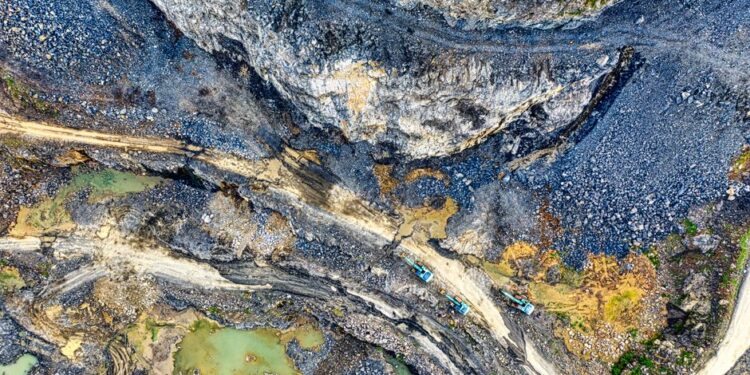
China's control over critical minerals is reshaping global supply chains, especially in technology. Understanding these dynamics is crucial for companies navigating this complex landscape.

China has intensified its control over critical minerals, leveraging its dominance in rare earth elements to gain an edge in geopolitical disputes, particularly against Japan. This strategic maneuvering has significant implications for global supply chains reliant on these essential materials.
China’s Strategic Advantage in Mineral Resources
China’s advantage in critical minerals stems from its vast reserves and processing capabilities. According to data from Table.Media, China not only possesses significant geological reserves but also dominates the processing of these minerals, which is crucial for their integration into technology products. This dual advantage allows China to manipulate supply chains and dictate terms to other nations, especially during geopolitical strife.
Recent developments indicate that China is willing to use its mineral dominance as a bargaining chip in international relations. As reported by Cryptobriefing, the ongoing spat with Japan has seen China threaten to restrict exports of critical minerals, which could severely impact Japanese manufacturers reliant on these materials for their electronics and automotive sectors.
Moreover, the World Bank highlights that global demand for rare earth elements is expected to rise significantly in the coming years, driven by the growth of electric vehicles and renewable energy technologies. This increasing demand puts additional pressure on countries lacking their own sources of critical minerals, making them vulnerable to supply disruptions.
Reevaluating Sourcing Strategies
As a result, technology companies must reevaluate their sourcing strategies. The need for diversification in supply chains has never been more urgent. Companies that previously relied heavily on Chinese suppliers are now exploring alternative sources, including partnerships with countries rich in rare earth minerals, such as Australia and Canada. However, establishing these new supply chains can be complex and time-consuming.
Career Ahead analysis finds that the shift towards alternative sourcing strategies is not just a reaction to current geopolitical tensions but also a long-term trend in supply chain management.
Career Ahead analysis finds that the shift towards alternative sourcing strategies is not just a reaction to current geopolitical tensions but also a long-term trend in supply chain management. Companies that proactively adapt to these changes will likely gain a competitive edge in the market, while those that remain reliant on a single source may face significant risks.
Impacts on Technology Production
You may also like
 Industry & Global Trends
Etched fields funding offers at $40B+ valuation, sources say
Etched Fields is in talks for funding offers valuing the company at over $40 billion, reflecting a significant shift in the funding landscape for AI…
Read More →The broader implications of China’s control over critical minerals extend to the global economy and technology production. As countries grapple with these geopolitical tensions, the landscape of technology manufacturing is poised for transformation. Companies will need to navigate a more fragmented supply chain environment, which may result in increased costs and longer lead times.
Furthermore, potential export restrictions by China could lead to a surge in prices for rare earth elements. This scenario would not only affect technology companies but also have a ripple effect across various industries, including automotive and renewable energy sectors. Companies must prepare for potential price volatility and supply shortages, impacting their production schedules and profitability.
Mining engineers specializing in rare earths will play a crucial role in this evolving landscape. As demand for alternative sources increases, there will be a need for skilled professionals who can navigate the complexities of mineral extraction and processing. This shift may lead to new opportunities for mining engineers, particularly in regions outside of China that are looking to develop their own critical mineral resources.

Preparing for Future Challenges
In this context, Career Ahead’s analysis indicates that mining engineers with expertise in sustainable practices and innovative extraction methods will be particularly valuable. As companies seek to establish more resilient supply chains, the ability to source and process critical minerals responsibly will be essential for meeting both regulatory standards and consumer expectations.
As demand for alternative sources increases, there will be a need for skilled professionals who can navigate the complexities of mineral extraction and processing.
As we look ahead, the ongoing geopolitical tensions between China and Japan will continue to shape the dynamics of global supply chains. Companies must remain vigilant and adaptable, ready to pivot in response to changing circumstances. The question remains: how will technology firms balance the need for critical minerals with the risks associated with geopolitical instability?
Frequently Asked Questions
What are the implications of China’s mineral advantage for supply chain managers?
China’s mineral advantage poses significant risks for supply chain managers, as reliance on a single source can lead to vulnerabilities in the face of geopolitical tensions. Companies must consider diversifying their supply chains to mitigate potential disruptions.
How can mining engineers adapt to changes in rare earth sourcing?
Mining engineers can adapt by developing expertise in alternative mineral sourcing and sustainable extraction practices. As demand for critical minerals grows, skills in innovative mining techniques will be increasingly valuable.
You may also like
 Industry & Global Trends
Zimbabwe Central Bank Eyes NPCI Deal for Digital Payments
Zimbabwe's Central Bank is pursuing a partnership with India's NPCI to enhance digital payments, aiming to modernize banking infrastructure and improve financial inclusion. This collaboration…
Read More →What should supply chain managers do about potential disruptions from China?
Supply chain managers should proactively seek alternative sources for critical minerals and establish relationships with suppliers in other countries. This strategic diversification can help mitigate risks associated with geopolitical tensions.