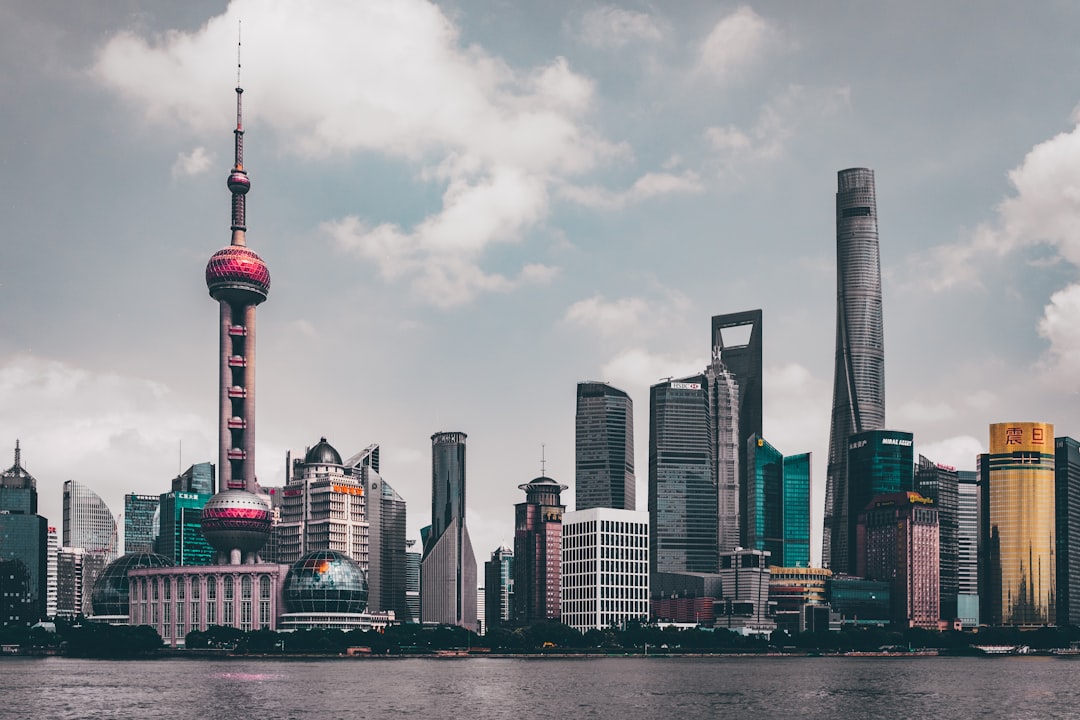
China's rapid advancements in technology, particularly in AI and robotics, are reshaping global markets and challenging U.S. tech dominance. Investors and policymakers must adapt to these changes to remain competitive.
China has made significant strides in technology, particularly in artificial intelligence (AI) and robotics, leading to upheaval in Silicon Valley and prompting urgent discussions among U.S. policymakers. Recent developments include powerful open-source AI models and advancements in robotics that have raised alarms among U.S. investors and government officials. The implications for national security and market dynamics are becoming increasingly complex.
The rapid growth of Chinese technology has unsettled financial markets and created divisions among U.S. tech executives and policymakers. Companies like OpenAI and Anthropic are feeling the pressure from their Chinese counterparts, leading to a reevaluation of their strategies and the regulatory landscape. A report by The Guardian indicates that competition is intensifying, with Chinese firms adopting aggressive strategies to capture market share, complicating the landscape for U.S. companies.
Venture Capital in a Changing Landscape
As China’s tech landscape evolves, investors in the U.S. and globally face critical decisions. The rise of open-source AI models, such as those from Moonshot AI, presents both opportunities and challenges. These models are cost-effective and can compete with products from established firms like OpenAI and Anthropic. This shift prompts venture capitalists to reconsider their resource allocation strategies. The Guardian notes that the rapid pace of innovation in China forces investors to adapt quickly or risk falling behind.
Investors must diversify their portfolios and explore collaborations with Chinese tech firms. The traditional model of investing solely in U.S.-based companies may no longer suffice as Chinese advancements disrupt the market. For instance, new chip manufacturing capabilities in China have led to a significant selloff in U.S. chip stocks, erasing about $1 trillion in market value, according to reports from The Information. This trend underscores the urgency for investors to reassess their strategies.
The Guardian highlights that skilled workers moving to China’s tech sector create a talent drain for companies in the U.S.
Google's appointment of Demis Hassabis marks a significant shift in AI leadership, emphasizing ethical development and real-world applications amidst departures of key researchers. This change…
Moreover, the competition for talent is intensifying. As Chinese companies ramp up hiring and investment in AI research, firms in the U.S. and other countries may struggle to attract top talent. They must offer competitive compensation and working conditions. The labor market for tech professionals is shifting, and investors need to understand these dynamics to make informed decisions. The Guardian highlights that skilled workers moving to China’s tech sector create a talent drain for companies in the U.S. and Europe, potentially impacting long-term innovation and competitiveness.
The advancements in Chinese technology have raised serious cybersecurity concerns globally. Officials in the U.S. and allied nations are increasingly wary of the risks associated with Chinese-made AI models and robotics. The Federal Communications Commission (FCC) recently announced a ban on humanoid robots from China due to national security risks. This decision reflects growing concerns about data security and surveillance capabilities. The Guardian reports that such measures are part of a broader strategy to mitigate risks from foreign technology, particularly from adversarial nations.
Research indicates that cybersecurity experts worldwide must implement stronger measures against potential threats from Chinese innovations. This includes enhancing security protocols for AI systems and developing strategies to mitigate risks associated with foreign technology. As Chinese companies gain ground in critical tech areas, the need for comprehensive cybersecurity frameworks becomes urgent. The evolving landscape necessitates a proactive approach to cybersecurity, especially as AI integration increases the potential for cyberattacks.
Government Policy and the Future of U.S.-China Tech Relations
The debate over how to handle Chinese tech advancements extends beyond the private sector to government policy. The Trump administration is reportedly considering sanctions against Chinese AI firms for alleged intellectual property theft, which could escalate tensions. Policymakers must balance security needs with the economic benefits of collaboration with Chinese firms. CNN notes that the geopolitical implications of these technological advancements are significant, affecting economic strategies and diplomatic relations globally.
Investors and cybersecurity experts should be proactive in understanding these developments. The landscape is changing rapidly, and those who do not adapt may find themselves at a disadvantage. As competition between the U.S. and China intensifies, the implications for the tech industry are profound. With Chinese advancements challenging the status quo, companies must navigate a complex landscape of innovation, regulation, and security concerns.
KPMG's latest report highlights AI's growing role as a decision-making engine in finance, emphasizing the critical need for strong governance and data quality to unlock…
As Chinese companies gain ground in critical tech areas, the need for comprehensive cybersecurity frameworks becomes urgent.
Frequently Asked Questions
What are the latest trends in Chinese tech that investors should be aware of?
Investors should focus on the rise of open-source AI models and advancements in chip manufacturing in China. These trends are reshaping competitive dynamics and presenting new opportunities and risks in the market.
How should government policy advisors respond to China’s tech advancements?
Government policy advisors must balance national security concerns with the need to foster innovation. This includes considering regulatory frameworks that support domestic companies while addressing potential risks from foreign technologies.
What cybersecurity measures should experts implement to counteract threats from Chinese technologies?
Cybersecurity experts should enhance security protocols for AI systems and develop comprehensive strategies to mitigate risks associated with using foreign technology. This proactive approach is essential as the landscape evolves.




 AI & Technology
AI & Technology