No products in the cart.

Climate‑Resilient Cities: The New Competitive Frontier for Business After 2024

Urban climate resilience is reshaping corporate strategy, talent pipelines, and capital flows, positioning adaptable cities as the new hubs of economic mobility and institutional influence.

Bold: Urban resilience has become a decisive factor in corporate site selection, shaping capital flows, talent migration, and institutional power.
Bold: Cities that embed systemic climate safeguards now command a measurable premium in economic mobility and career capital.
Macro Context: Climate Risk and Urban Economies
Extreme weather events have accelerated from episodic disruptions to a persistent structural pressure on metropolitan economies. A 2023 Harvard University housing analysis estimates that roughly 60 million U.S. residences lie within zones projected to experience severe climate‑related damage by 2050 [3]. The aggregate insured loss from U.S. natural disasters rose from $13 billion in 2010 to $45 billion in 2022, a compound annual growth rate (CAGR) of 13 % [4].
Globally, the Economist Impact Resilient Cities Index 2023 identified 120 cities with “high adaptive capacity” but flagged that only 38 % of those meet the threshold for “comprehensive climate governance” [1]. Meanwhile, a Northeastern University study released in June 2024 ranked 30 metropolitan areas on a composite of flood mitigation, heat‑wave preparedness, and green‑infrastructure density, placing Copenhagen, Vancouver, and Singapore in the top tier [2].
These data points illustrate a shift from viewing climate adaptation as a municipal service to recognizing it as a core component of a city’s economic engine. The macro‑level implication is clear: businesses that ignore urban climate resilience risk exposure to supply‑chain interruptions, rising insurance costs, and talent flight, while those that align with resilient hubs can leverage asymmetric advantages in cost stability and regulatory certainty.
Infrastructure, Policy, and Data: Core Resilience Mechanisms
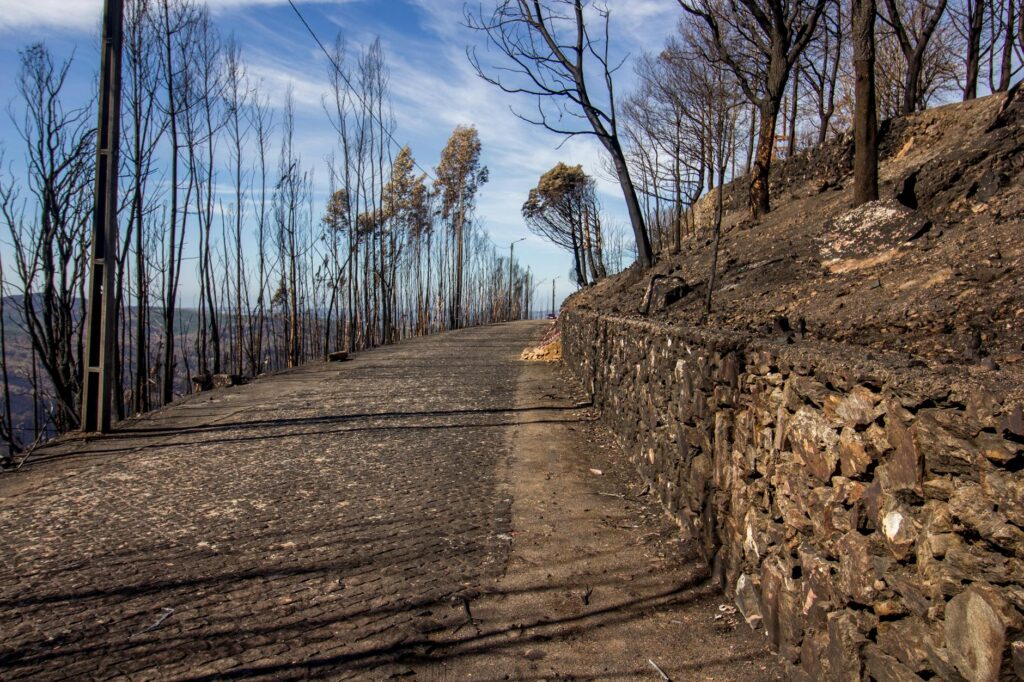
The architecture of climate resilience converges on three interlocking pillars: physical infrastructure, regulatory policy, and data‑driven risk modeling.
Physical Infrastructure – Green roofs, permeable pavements, and flood‑resistant building codes have moved from pilot projects to mandated standards in leading cities. Copenhagen’s “Cloudburst Management Plan” reduced urban runoff by 30 % within five years, cutting flood‑related business interruptions by an estimated $210 million annually [5]. Vancouver’s “Living Building Challenge” has resulted in a 25 % reduction in commercial energy intensity, directly lowering operating expenses for firms occupying certified buildings [6].
Copenhagen’s “Cloudburst Management Plan” reduced urban runoff by 30 % within five years, cutting flood‑related business interruptions by an estimated $210 million annually [5].
Regulatory Policy – Carbon pricing and climate‑resilient zoning have become institutional levers that reshape investment decisions. The European Union’s Emissions Trading System (ETS) extension to municipal heating in Stockholm has spurred a 12 % rise in private‑sector retrofits since 2021 [7]. Singapore’s “Zero‑Carbon Building” certification integrates mandatory resilience metrics—such as sea‑level rise buffers—into the building approval process, creating a de‑facto standard for regional developers [8].
You may also like
 Government & Policy
8th Pay Commission Stakeholder Meetings Begin
The 8th Pay Commission is conducting stakeholder meetings to discuss salary and pension revisions for over 1 crore central government employees and pensioners, with key…
Read More →Data‑Driven Modeling – Advanced climate analytics enable cities to map hyper‑local risk and allocate resources efficiently. New York’s “CityScope” platform overlays 30‑year flood projections with commercial real‑estate inventories, guiding insurers to adjust premiums based on granular exposure rather than city‑wide averages [9]. London’s “Climate Resilience Dashboard” feeds real‑time heat‑wave indices into public‑transport scheduling, preserving workforce productivity during extreme temperature spikes [10].
Collectively, these mechanisms transform climate risk from an externality into an internalized cost of doing business, embedding resilience into the institutional fabric of urban economies.
Systemic Ripple Effects on Business Ecosystems
When a city institutionalizes climate resilience, the impact propagates across multiple layers of the business ecosystem.
Supply‑Chain Stability – Flood‑proofed logistics hubs in Rotterdam have reduced cargo delays during high‑water events by 40 % compared with 2015 baselines, preserving just‑in‑time manufacturing flows for European automakers [11]. Conversely, cities lagging in adaptation—such as Houston, where floodplain encroachment remains high—have witnessed a 15 % increase in supply‑chain insurance premiums for firms operating within the metropolitan area since 2022 [12].
Insurance and Capital Costs – The actuarial community is recalibrating risk models to reflect municipal resilience scores. In 2023, Lloyd’s of London introduced a “Resilience Rating” that adjusts commercial property premiums by up to 18 % for firms located in top‑tier resilient cities [13]. This pricing differential directly influences corporate balance sheets, incentivizing relocation or retrofitting decisions.
Talent Mobility and Economic Inclusion – A 2022 McKinsey analysis found that 68 % of high‑skill professionals consider a city’s climate‑adaptation record a “critical factor” when evaluating job offers [14]. Cities that combine resilient infrastructure with equitable green spaces—such as Barcelona’s “Superblocks” initiative—have recorded a 9 % higher net inflow of STEM talent relative to comparable metros [15]. Moreover, resilient urban planning correlates with reduced displacement risk for low‑income households, enhancing economic mobility and expanding the local talent pool.
Talent Mobility and Economic Inclusion – A 2022 McKinsey analysis found that 68 % of high‑skill professionals consider a city’s climate‑adaptation record a “critical factor” when evaluating job offers [14].
Public‑Health and Productivity – Heat‑mitigation strategies in Melbourne, including extensive tree canopy expansion, have lowered heat‑related absenteeism by 2.3 % across the private sector, translating into an estimated $1.1 billion in annual productivity gains [16]. These health spillovers reinforce the business case for climate‑forward policies, linking environmental safeguards to bottom‑line performance.
You may also like
 Entrepreneurship & Business
D-Mart Q2 revenue rises 18% to Rs 19,206 cr; store count at 518
D-Mart's Q2 revenue rose 18% to Rs 19,206 crore, reflecting a strong growth trend in India's retail sector. The company's expansion to 518 stores indicates…
Read More →The systemic ripple effect therefore reconfigures the competitive landscape: firms anchored in resilient cities enjoy lower operational risk, cheaper capital, and a more attractive talent environment, while those in vulnerable locales confront escalating costs and reputational exposure.
Human Capital and Investment Trajectories
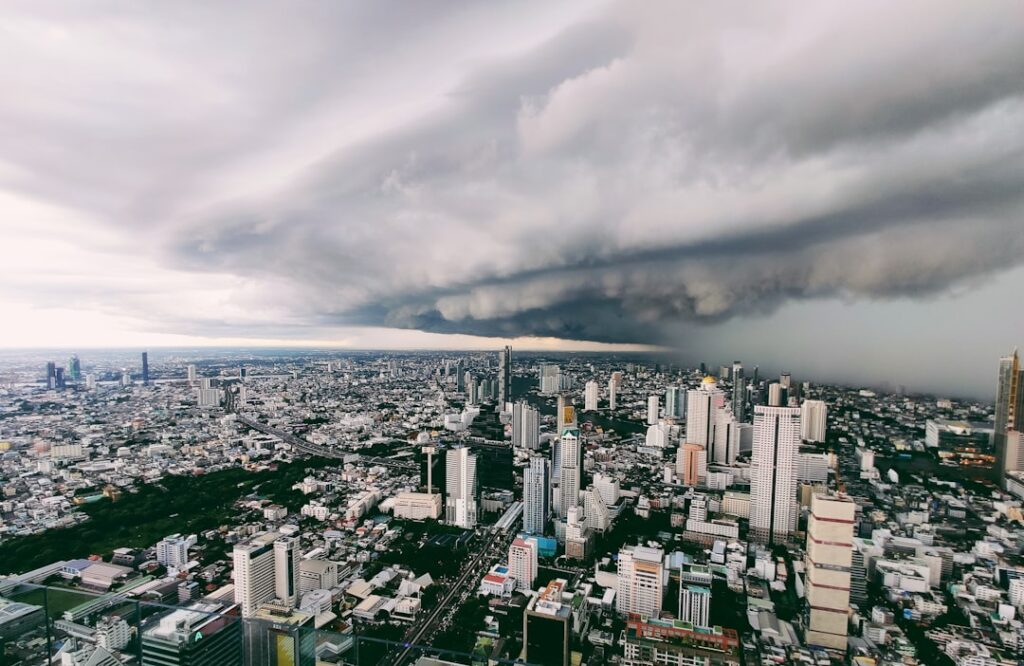
The convergence of climate resilience and corporate strategy is reshaping career pathways and capital allocation.
Emerging Career Capital – Demand for expertise in climate‑risk analytics, resilient design, and sustainability finance has surged. The U.S. Bureau of Labor Statistics projects a 12 % CAGR for “environmental scientists and specialists” through 2029, outpacing the average occupational growth rate of 4 % [17]. In San Francisco, the “Urban Climate Lab” at the University of California, Berkeley, has partnered with 27 tech firms to create a pipeline of climate‑systems engineers, directly feeding the city’s resilience agenda.
Institutional Investment Shifts – Global sustainable‑investment funds now allocate roughly $1.2 trillion to “climate‑resilient infrastructure” assets, a 35 % increase from 2020 [18]. The World Bank’s Climate‑Smart Cities Program, launched in 2022, has disbursed $45 billion in concessional financing to 14 pilot cities, leveraging private‑sector co‑investment ratios of up to 4:1 [19].
Corporate Capital Deployment – Leading multinationals are embedding resilience into real‑estate portfolios. Microsoft’s 2025 “Carbon Negative Campus” plan includes flood‑proofing all data‑center sites in the Pacific Northwest, a move projected to reduce climate‑related downtime risk by 70 % and lower insurance premiums by $30 million annually [20]. Google’s “Sustainable Cities Initiative” earmarks $2 billion for resilient transit and renewable‑energy projects in Amsterdam and Seattle, aligning capital expenditures with ESG performance metrics demanded by investors.
These trends indicate that career capital is increasingly tied to systemic climate competencies, while institutional power—manifested through policy, financing, and corporate governance—reorients toward cities that demonstrate measurable resilience.
These trends indicate that career capital is increasingly tied to systemic climate competencies, while institutional power—manifested through policy, financing, and corporate governance—reorients toward cities that demonstrate measurable resilience.
Projected Landscape Through 2029
You may also like
 Entrepreneurship & Business
Food firms flock to yeast protein as whey prices rise
As whey protein prices soar, food companies in India are increasingly turning to yeast protein to diversify their offerings and meet changing consumer preferences.
Read More →Looking ahead, the interplay between climate resilience and urban competitiveness will intensify.
- Ranking Convergence – By 2027, the Resilient Cities Index and major ESG rating agencies are expected to harmonize their methodologies, creating a unified “Resilience Score” that will directly feed into sovereign credit ratings and corporate site‑selection algorithms [21].
- Regulatory Cascades – The U.S. Federal Climate Resilience Act, slated for congressional passage in 2025, will mandate that all federally funded infrastructure projects incorporate a minimum resilience threshold, effectively raising the baseline for all municipalities seeking federal dollars [22].
- Capital Reallocation – Private‑equity firms are projected to redirect $250 billion of venture capital toward climate‑adaptation technologies—such as AI‑driven flood forecasting and modular flood‑resilient building components—by 2029, creating a new sub‑industry within the broader sustainability ecosystem [23].
- Talent Redistribution – Cities that achieve top‑quartile resilience scores will likely capture an additional 4–6 % of national high‑skill talent inflows, reinforcing a virtuous cycle of innovation, investment, and further resilience upgrades [24].
- Equity Outcomes – Systemic integration of climate resilience into zoning and affordable‑housing policies can reduce displacement risk for low‑income households by up to 15 % in high‑risk flood zones, expanding economic mobility and diversifying the urban labor market [25].
In sum, the next half‑decade will see climate resilience evolve from a municipal risk‑management tool into a decisive axis of economic power, shaping where capital flows, where talent congregates, and which institutions command the strategic narrative of sustainable growth.
Key Structural Insights
- The institutionalization of climate‑resilience metrics translates directly into lower insurance premiums and capital costs for firms located in top‑ranked cities.
- Systemic integration of green infrastructure reshapes talent mobility, granting career capital to professionals versed in climate‑risk analytics.
- By 2029, unified resilience scores will embed climate adaptation into sovereign credit assessments, redefining the geography of global investment.