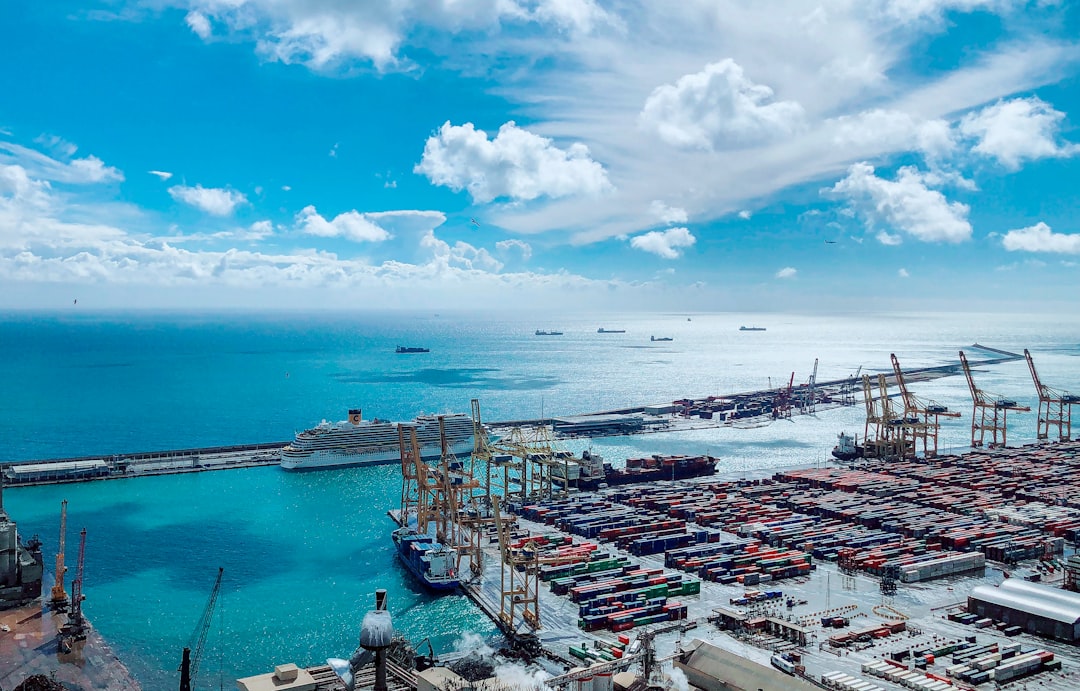
Cochin Shipyard shares fell by 2% as the government’s Offer for Sale (OFS) opened for retail investors, raising concerns about stock price volatility and market dynamics in India's shipbuilding sector.
Cochin, India — Cochin Shipyard shares fell by 2% on July 8, 2026, as the government’s Offer for Sale (OFS) opened for retail investors. This drop raised concerns about stock price volatility and market dynamics in India’s shipbuilding sector. The government plans to sell up to a 5.04% stake in the company, potentially raising around ₹1,800 crore. This follows strong demand in the non-retail portion of the OFS, which was subscribed 3.52 times, indicating robust interest from institutional investors.
The stock, which had previously provided multibagger returns, has seen a significant downturn, dropping over 29% in the past year. As of March 2026, the government held a 67.91% stake in Cochin Shipyard, while retail investors owned 19.66% of the shares. The OFS opening for retail investors is a critical moment for the company and its stakeholders.
Government OFS and Its Impact on Stock Prices
The government’s decision to open the OFS for retail investors directly impacts Cochin Shipyard’s stock prices. The indicative bid price was set at ₹1,401.85 per share, just above the floor price of ₹1,400. This pricing strategy aims to attract retail investors while still appealing to institutional buyers who have shown strong interest. Reports from the Economic Times state that the OFS was structured to allow retail investors to buy shares at a discount, thereby increasing their market participation.
Market analysts note that government offerings can cause short-term price fluctuations, as evidenced by the recent 2% dip in Cochin Shipyard’s shares. Such volatility often results from market reactions to new supply entering the market, especially with a significant stake involved. Investors should be prepared for potential price swings as the market absorbs the new shares. The recent dip may also reflect broader market sentiments, where investors are cautious about the effects of increased share supply on existing holdings.
Additionally, the government has exercised its greenshoe option to sell an extra 2.52% stake, increasing the total stake available for purchase. This move demonstrates confidence in the demand for Cochin Shipyard shares but raises concerns about dilution for existing shareholders. Balancing new investor attraction and maintaining share value is crucial for the company’s future. Analysts suggest that while the immediate impact may be negative, the long-term effects will depend on the company’s performance in the coming quarters.
Preliminary state‑exam data released on Aug. 7, 2026 show a 6‑percentage‑point drop in English Language Arts proficiency for grades 3‑8, with a 14‑percentage‑point fall for third graders.
Balancing new investor attraction and maintaining share value is crucial for the company’s future.
Cochin Shipyard’s Market Performance Analysis
Cochin Shipyard is a significant player in India’s shipbuilding industry, with a market capitalization nearing ₹38,000 crore. Despite its long-term performance yielding over 400% returns in the past three years, the recent downturn raises questions about the sustainability of such growth. The company’s shares have faced pressure due to broader market trends and specific operational challenges. According to data from the Economic Times, the shares have dropped more than 12% in 2026 alone, raising concerns among analysts about the shipbuilding sector’s resilience in a volatile market.
The shipbuilding industry is influenced by various factors, including government policies, global trade dynamics, and domestic demand for maritime services. As the government continues its disinvestment program, the fate of companies like Cochin Shipyard depends on domestic economic conditions and international market trends. The Economic Times further notes that the government’s commitment to privatization could lead to increased investments in the sector, provided that companies adapt to changing market demands.
Investors should closely monitor the stock’s performance in the coming weeks as the OFS unfolds. The immediate market response will provide insights into investor sentiment and the overall health of India’s shipbuilding sector. If the stock stabilizes after the initial dip, it may indicate a strong foundation for future growth. The Economic Times notes that the shipbuilding industry faces challenges, but with the right government support and strategic initiatives, companies like Cochin Shipyard could rebound.
Investor Considerations During the OFS
As retail investors consider participating in the OFS, several factors should be taken into account. The recent OFS opens opportunities for retail investors to buy shares at a set price, but it can also lead to short-term volatility, as seen with the recent dip in Cochin Shipyard’s shares. Investors should assess the company’s fundamentals, market conditions, and potential for long-term growth. Understanding the implications of the OFS on share dilution and market sentiment is crucial before making investment decisions.
With the government actively divesting from key sectors, Cochin Shipyard’s ability to attract and retain investors will be critical. The upcoming months will be important as the market digests the implications of the OFS and the company’s strategic direction. As the shipbuilding industry evolves, Cochin Shipyard must navigate these challenges to maintain its leadership position in the sector.
If the stock stabilizes after the initial dip, it may indicate a strong foundation for future growth.
Frequently Asked Questions
What factors influence Cochin Shipyard’s stock price?
Cochin Shipyard’s stock price is influenced by government policies, market demand, and investor sentiment. The recent OFS is a key factor that may cause short-term fluctuations in the stock price.
How does the government’s OFS impact retail investors?
The government’s OFS opens opportunities for retail investors to buy shares at a set price. However, it can also lead to short-term volatility, as seen with the recent dip in Cochin Shipyard’s shares.
What should investors consider before buying shares during an OFS?
Investors should assess the company’s fundamentals, market conditions, and potential for long-term growth. Understanding the implications of the OFS on share dilution and market sentiment is crucial before making investment decisions.




News

 News
News