No products in the cart.

Climate Fiction Ignites Collective Hope

Amid growing climate concerns, fiction is not just echoing fear but actively reshaping collective optimism, influencing policy and public action.

The surge of climate-focused narratives coincides with a period of declining trust in traditional institutions, yet readers gravitate toward these stories not because they predict catastrophe but because they articulate a latent optimism about collective agency.
The Mirror Effect: Anomalous Genre Surges
When societies confront economic turbulence or political fragmentation, the publishing market exhibits a predictable yet paradoxical pattern: genres that dramatize fear expand while those that celebrate agency contract. This asymmetry is not a simple supply-demand curve; it reflects a cultural feedback loop in which anxiety fuels consumption of dystopian and speculative works, while hope-laden texts emerge in the wake of activist breakthroughs. The analysis of genre circulation in 2024 revealed that titles classified under “climate fiction” outpaced “post-apocalyptic” releases, suggesting that readers are less drawn to total ruin than to narratives that embed solutions within the crisis. The same study noted a significant increase in self-help publications, reinforcing the notion that anxiety and hope coexist as twin currents in the literary bloodstream.
Narrative Engines of Hope

Books do more than echo sentiment; they actively shape the trajectory of social movements. When a novelist embeds a plausible pathway to carbon neutrality within a fictional world, that storyline can become a referent point for policymakers and activists alike. The influence operates through what we term the Narrative Catalysis Mechanism: a text introduces a conceptual schema, which then diffuses across media, academic discourse, and legislative drafting. This mechanism is evident in the way climate-fiction protagonists—engineers, community organizers, indigenous stewards—have been cited in parliamentary hearings as illustrative case studies, even when the works are purely imaginative. The pattern underscores a structural asymmetry: fiction, unburdened by empirical constraints, can propose bold societal architectures that nonfiction later attempts to rationalize.
This asymmetry is not a simple supply-demand curve; it reflects a cultural feedback loop in which anxiety fuels consumption of dystopian and speculative works, while hope-laden texts emerge in the wake of activist breakthroughs.
Our view is that popular culture plays a significant role in shaping societal attitudes and can be a complex terrain of meaning production and negotiation. By negotiating meaning across class and ideological lines, popular novels can embed aspirational templates within the public imagination, thereby lowering the activation energy required for collective action.
Technological Mediation and the Shift in Authorship
You may also like
 AI & Technology
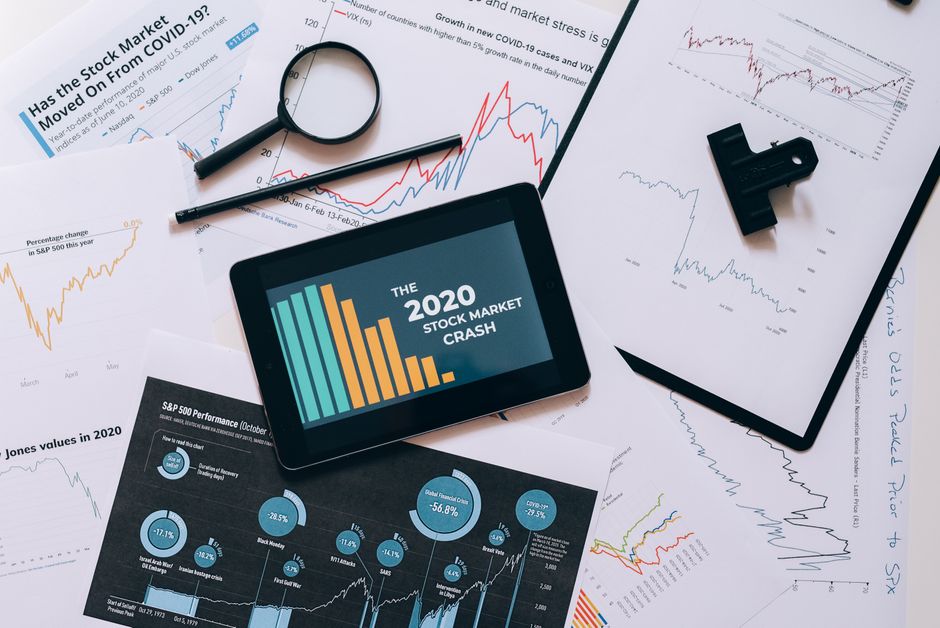
The Powerful Yet Fragile Force Propping Up Stocks and the Economy
AI advancements are reshaping stock market dynamics and investment strategies, presenting both opportunities and challenges for financial professionals.
Read More →The rise of audiobooks, algorithm-curated recommendations, and AI-assisted drafting has reconfigured the author-reader contract. Accessibility technologies democratize entry points for marginalized voices, expanding the pool of narratives that can articulate both anxiety and hope. Simultaneously, platform algorithms amplify works that align with trending sentiment clusters, reinforcing the feedback loop described above. This creates a dual pressure on writers: they must anticipate algorithmic favor while preserving the depth required for narrative catalysis. The result is a literary ecosystem where the form—short-form serialized podcasts, interactive e-books—adapts to the medium, but the core function of shaping societal mood remains constant.
Institutional Feedback Loop: Books Shaping Policy
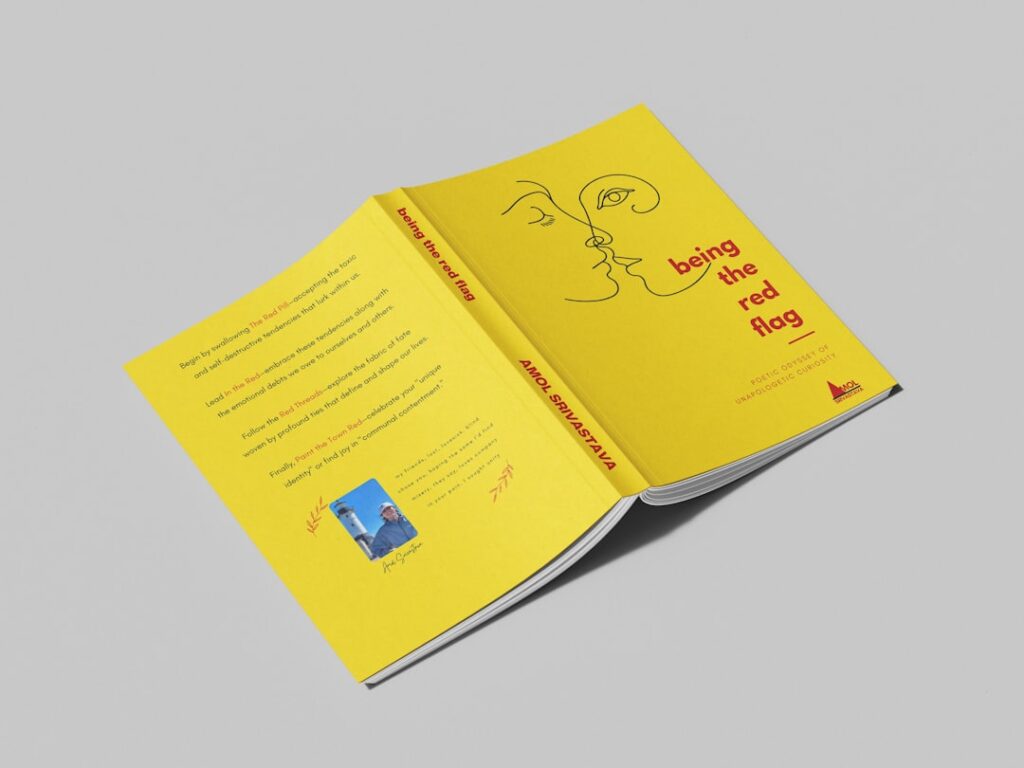
Policy formation increasingly references cultural artifacts as evidentiary support. Legislative drafts on renewable energy subsidies have quoted passages from climate fiction to illustrate public demand for systemic change. This phenomenon can be mapped onto the Book-Policy Influence Model, which posits three stages: (1) cultural diffusion, (2) elite appropriation, and (3) institutional codification. The model explains why certain narratives achieve policy traction while others remain confined to niche readerships. It also reveals an asymmetry: nonfiction works, grounded in data, often lack the emotive resonance required for elite appropriation, whereas fiction’s speculative latitude supplies the narrative scaffolding that policymakers can repurpose.
Our analysis suggests that the current literary climate is not merely reflective but constitutive of a societal pivot toward proactive optimism. By foregrounding stories that blend crisis with constructive agency, the publishing sector contributes to a recalibration of collective hope, nudging institutions toward more ambitious policy horizons.
The trajectory of books as both mirror and motor underscores a durable pattern: cultural artifacts that articulate feasible pathways out of anxiety gain institutional legitimacy, while those that merely dramatize dread remain peripheral. This dynamic will likely intensify as climate imperatives sharpen, positioning literature as a quiet architect of the future.