Explore expert strategies to enhance your communication skills during stressful situations, ensuring clarity and confidence even when the pressure is on.
In today’s fast-paced world, effective communication is essential. The ability to convey ideas clearly and confidently can determine success in both personal and professional settings. Under pressure, the stakes feel higher, making strong communication skills even more vital. Leaders often find themselves in situations where they must perform despite feeling mentally drained or overwhelmed.
Muriel Wilkins, a leadership development coach, emphasizes the importance of acknowledging one’s emotional state before attempting to communicate. This self-awareness helps individuals manage their responses and maintain clarity, allowing for more effective communication even when feeling less than their best.
Practical Techniques for Effective Communication
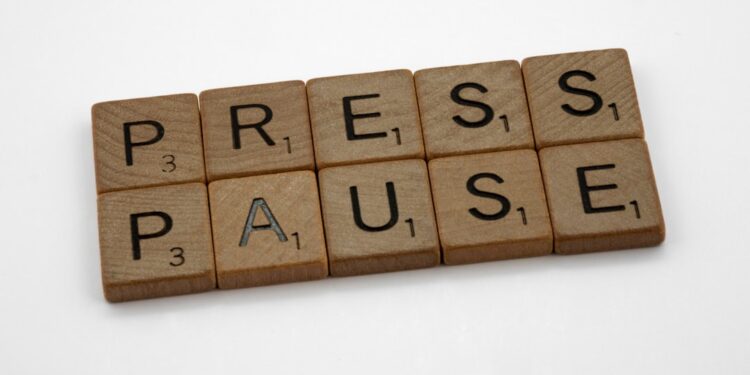
Communicating effectively under pressure requires practical techniques. One key strategy is to use simple and concrete language. Clarity is essential, especially when emotions run high. Pausing to breathe can help maintain composure and ensure that the message is delivered clearly.
Prioritizing critical points is also crucial. When overwhelmed, it’s easy to get lost in details. Focusing on the most important aspects of the message aids retention and understanding, benefiting both the speaker and the audience.
Body language plays a significant role in communication. Non-verbal cues can reinforce or contradict spoken words. Maintaining an open posture and making eye contact can convey confidence, even if the speaker feels otherwise. Practicing these techniques can lead to more effective communication outcomes.
Prioritizing critical points is also crucial.
Preparation is key. Knowing the audience and anticipating questions can alleviate some pressure, allowing for smoother interactions and reducing anxiety during high-stakes conversations.
Communication Dynamics in Business
In business settings, the pressure to communicate effectively can be immense. The stakes are high, with decisions impacting individual careers and entire organizations. Effective communication fosters teamwork, improves morale, and increases productivity, while miscommunication can lead to costly mistakes.
Wilkins’ insights highlight how leaders can create an environment that encourages open communication. By modeling confident communication, leaders set the tone for their teams, fostering a culture where team members feel safe to express their thoughts, even in stressful situations.
With remote work becoming more prevalent, leaders must adapt their communication styles for virtual environments. This shift requires heightened awareness of how messages are conveyed through digital platforms, where non-verbal cues may be less apparent.
Debates on Stress and Communication
Despite the consensus on the importance of confident communication, there are contradictions regarding how stress impacts performance. Some analysts suggest that moderate stress may enhance focus and clarity, potentially leading to better communication outcomes. Conversely, excessive stress can lead to anxiety and hinder effective communication.
Influencers like Yasmin Hadlow and Vicky Pattison have marketed opportunities with companies like InteleTravel and PlanNet Marketing, suggesting that anyone can earn money while traveling.…
With remote work becoming more prevalent, leaders must adapt their communication styles for virtual environments.
This debate is particularly relevant in high-pressure industries, such as finance and healthcare, where miscommunication can have severe consequences. While some advocate for training programs focused on resilience-building, others emphasize the need for supportive environments that prioritize mental well-being.
Adapting Communication Strategies for the Future
The landscape of communication is evolving. As remote work and digital communication become more commonplace, the need for effective communication strategies will grow. Organizations must invest in training programs that equip employees with the skills to communicate confidently, regardless of the medium.
Technology will play a significant role in shaping communication practices. Tools that facilitate real-time feedback and collaboration can enhance communication effectiveness, even under pressure. However, balancing technology use with the human element of communication is essential to maintain authenticity.
As workplaces change, the emphasis on mental health will influence communication strategies. Organizations prioritizing employees’ mental health are likely to see improvements in communication outcomes, fostering a culture of openness and collaboration.




Entrepreneurship & Business